Will Australia be locked out of top scientific research by shunning Chinese universities?
Australia’s decision to axe partnerships with two Chinese universities has raised concerns that Canberra is moving to align with Washington on research security policy. The decision came after the United States expanded its restrictions on research entities from China. One analyst warned that Canberra’s latest move would not hinder Chinese progress, but it could leave Australia locked out of…
Australia's decision to cut ties with two Chinese universities has sparked concerns about the country potentially being locked out of top scientific research. The move, prompted by the United States' broader restrictions on Chinese research entities, could impact Australia's access to cutting-edge knowledge in fields like artificial intelligence, quantum technology, and biotechnology.
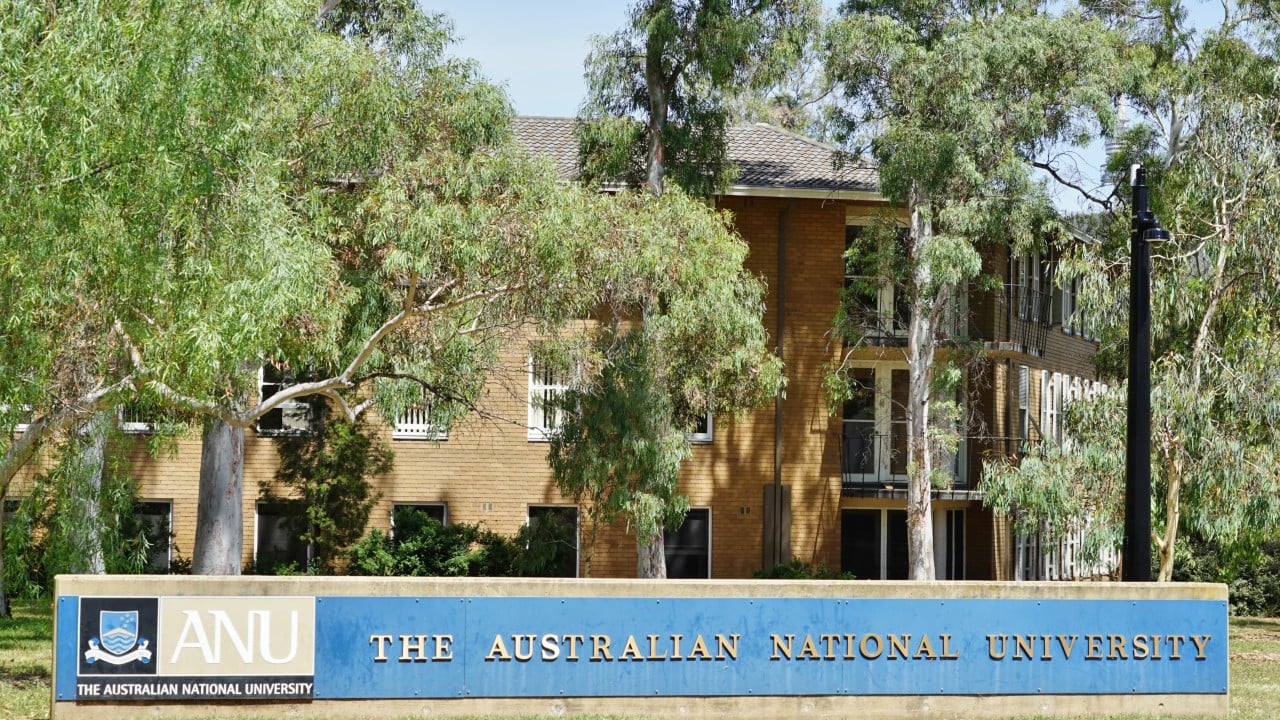
ANU and the University of Queensland were among the institutions affected, with both confirming compliance with Foreign Minister Penny Wong's order. The Australian National University's cancellation of its partnership with Shandong University was rooted in security concerns, while the University of Queensland halted a research collaboration with the Chinese Academy of Sciences due to potential national security risks.
Analysts warned that Canberra's shift aligned it with the United States' approach to research security, moving from project-level assessments to institutional blacklisting. This trend may prioritize political trust over research capabilities, potentially sidelining the strongest scientific institutions. Despite the cancellations, Chinese officials criticized Australia's move as an overreach of national security and politicization of scientific exchanges.
Both sides have noted a growing amount of collaborative projects in fields like digital technology, advanced manufacturing, and environmental sustainability, indicating a potential at least partial continuity in academic and research ties between the two nations.
Written by urgent.news from South China Morning Post's reporting — not their text. Machine-written — may contain errors; check the original before relying on it.
This story
This is one outlet's version. Read the fullest account.