Violence breaks out in Ceuta as migrant crisis continues
A group of migrants is accused of throwing stones at a military vehicle, while some locals set fire to their camps on the beach.
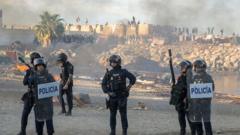
Violence erupted in Ceuta, a Spanish exclave in North Africa, amid the ongoing migrant crisis. Tensions between locals and foreign arrivals have escalated, leading to outbreaks of unrest. The Spanish government has come under fire for its failure to manage the situation effectively. At least 72,000 migrants crossed from Morocco into Ceuta on July 30 and 31, with most swimming around a border fence.
At least 100 people died during the mass crossing, according to Ceuta's mayor. Most of the migrants returned to Morocco within hours, but several thousand remain in Ceuta, many of them children, sleeping rough on beaches or streets.
Anti-migrant demonstrations earlier this month were mostly peaceful, but have turned violent in recent days. On Thursday, locals prevented Red Cross personnel from distributing aid to migrants, leading to clashes with police. Some set fire to migrant camps on Trampolín beach, the main site where they have been sleeping, causing further unrest. Journalists and film crews have also reported facing threats.
The mayor of Ceuta, conservative Juan Jesús Vivas, complained about residents feeling unsafe and the burden on public services. He emphasized that the dignity of Spain is at stake in Ceuta. The socialist-led government of Pedro Sánchez appealed for calm, accusing opposition parties of fueling tensions. Far-right Vox member José María Figaredo was investigated for a possible hate crime after suggesting the migrants should be "hunted down, one by one."
Interior Minister Fernando Grande-Marlaska condemned the rhetoric that stigmatized immigrants and threatened social division.
The government centralized management of the crisis, overriding local authority, after facing criticism for a slow response. Defence Minister Margarita Robles apologized to those who may have felt abandoned or not sufficiently cared for, unveiling plans to overhaul immigration laws in Spain. Much of the recent animosity in Ceuta stems from government plans to relocate migrants into existing public buildings, such as sports centers, to process their legal status and return those not eligible for asylum to Morocco.
Many locals, including Vivas, oppose this move due to concerns about its proximity to residential areas.
The government faces questions about the origins of the mass migrant crossing. Right-wing and far-left politicians blame Morocco, citing its alleged use of the border with Spain in the past for political leverage. The socialist party, however, attributes the crisis to people traffickers, asserting Morocco's reliability as a partner.
Still, the crisis has put the sovereignty of Ceuta and its fellow autonomous city Melilla under scrutiny. Morocco continues to claim the territories, reiterating its stance recently. Spain's Foreign Minister José Manuel Albares firmly rejected such claims, maintaining that Spain's territorial integrity is not up for discussion.
Written by urgent.news from BBC World's reporting — not their text. Machine-written — may contain errors; check the original before relying on it.