Reimagining Mexico’s brain bank
Since Alzheimer’s disease researcher José Luna-Muñoz assumed leadership of the facility—Latin America’s oldest—in 2011, he has been acquiring additional tissue types and is working to expand donor recruitment to rural areas.
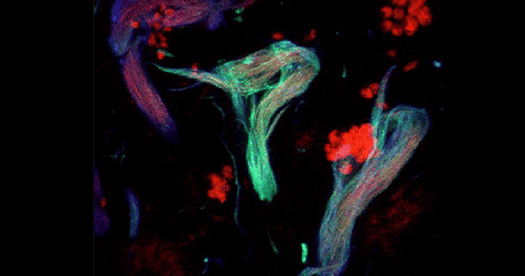
Mexico's brain bank, known as the National Dementia BioBank, has evolved from a facility that originally stored only fragments of brains to a collection featuring 17 whole brains from individuals with Alzheimer's disease and other neurodegenerative conditions. The biobank, located at the Universidad Politécnica de Pachuca, was established in 2011 and is currently led by Alzheimer's disease researcher José Luna-Muñoz.
Luna-Muñoz has been working to expand donor recruitment, particularly to rural areas, and to raise awareness of brain donation beyond Mexico's largest cities. He aims to include blood, saliva, and urine samples from donors during life, as well as cerebrospinal fluid collected for clinical reasons.
The importance of having a national brain bank in Mexico lies in the country's unique population characteristics, including large Indigenous communities, mestizo populations, distinct diets, and lifestyles. Luna-Muñoz emphasizes that each country should have its own biobank to identify its own risk factors for diseases such as Alzheimer's.
Since its inception, the brain bank has made significant contributions to neuroscience research. For instance, Luna-Muñoz's team compared the performance of two dyes in fixed and fresh brain tissue, finding that thiazin red can also stain beta-sheet structures found in tau protein and beta-amyloid in fresh tissue. This finding is crucial as, in some countries, religious or cultural beliefs prevent whole-brain donation.
In such cases, a small biopsy obtained through a tiny opening in the skull could be sufficient for staining.
The main challenges faced by Luna-Muñoz and his team include funding constraints, a lack of key equipment, cultural attitudes and taboos surrounding brain donation, and the need to raise awareness beyond major cities. To address these challenges, the biobank is exploring partnerships with rural hospitals and community clinics, developing logistics with specialized companies, and creating a traveling museum to showcase microscopic lesions associated with Alzheimer's disease.
Written by urgent.news from The Transmitter's reporting — not their text. Machine-written — may contain errors; check the original before relying on it.
This story
This is one outlet's version. Read the fullest account.
- Reimagining Mexico’s brain bank thetransmitter.org