On this day in space! Aug. 27, 1962: NASA launches Mariner 2 to Venus for ambitious flyby
On Aug. 27, 1962, NASA launched Mariner 2, the world's first spacecraft to successfully visit another planet: Venus.
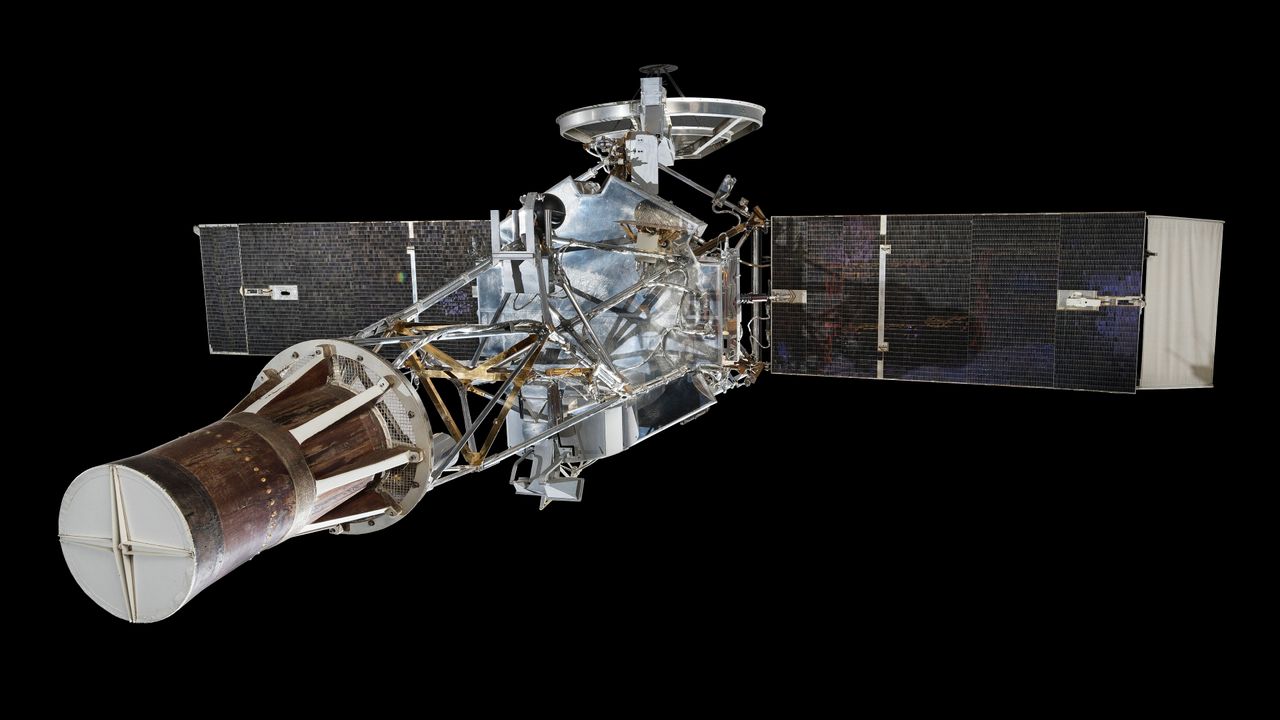
On August 27, 1962, NASA successfully launched Mariner 2, the first spacecraft to conduct a flyby of another planet, Venus. The mission embarked on a 3.5-month journey from Cape Canaveral, Florida, after the previous Mariner 1 mission failed during launch. During ascent, Mariner 2 experienced an electrical issue that caused the rocket to roll, but it recovered after about a minute.
Despite facing challenges such as solar panel power drops and malfunctioning gyroscopes, Mariner 2 accomplished the first U.S. space first by performing a successful Venus flyby on December 14, 1962. The spacecraft approached the planet at a distance of 21,564 miles (34,675 kilometers), collecting the first close measurements of Venus' atmosphere and temperature.
These data proved that Venus had experienced a runaway greenhouse effect in the past. Mariner 2 radio signals allowed scientists to calculate Venus' mass with great precision. While the probe lacked cameras, its achievements marked the first and only first mission to Venus.
Written by urgent.news from Space.com's reporting — not their text. Machine-written — may contain errors; check the original before relying on it.
This story
This is one outlet's version. Read the fullest account.
- In 1962, NASA blew up a water tank 65 miles above Earth to study the atmosphere timesofindia.indiatimes.com
- Space Math at NASA: Problems Related to CMEs and Flares science.nasa.gov
- NASA administrator suggests putting data centers in space thehill.com
- Spy to space: The science behind NASA’s Roman Space Telescope siliconrepublic.com
- NASA Has Started the Count Down to the Launch of the Nancy Grace Roman Space Telescope nautil.us
- After failure of private rescue mission, NASA's Swift space telescope will crash back to Earth. But when and where? space.com
- NASA chief outlines plans to build moon base in space race with China cbsnews.com
- NASA’s Roman Space Telescope will rewrite how we study the universe scientificamerican.com