Full moon tonight: The August ‘Sturgeon’ moon is getting upstaged by a lunar eclipse. Here’s when to see it
Much like a bad community theater production, the night sky will be full of drama this evening and into tomorrow. Right before the full “Sturgeon Moon” is about to shine its brightest, the Earth is going to upstage it, causing an almost total lunar eclipse tonight (Thursday, August 27, into Friday, August 28, 2026). This will be visible to those living in most of the Americas (sorry, Alaska and…
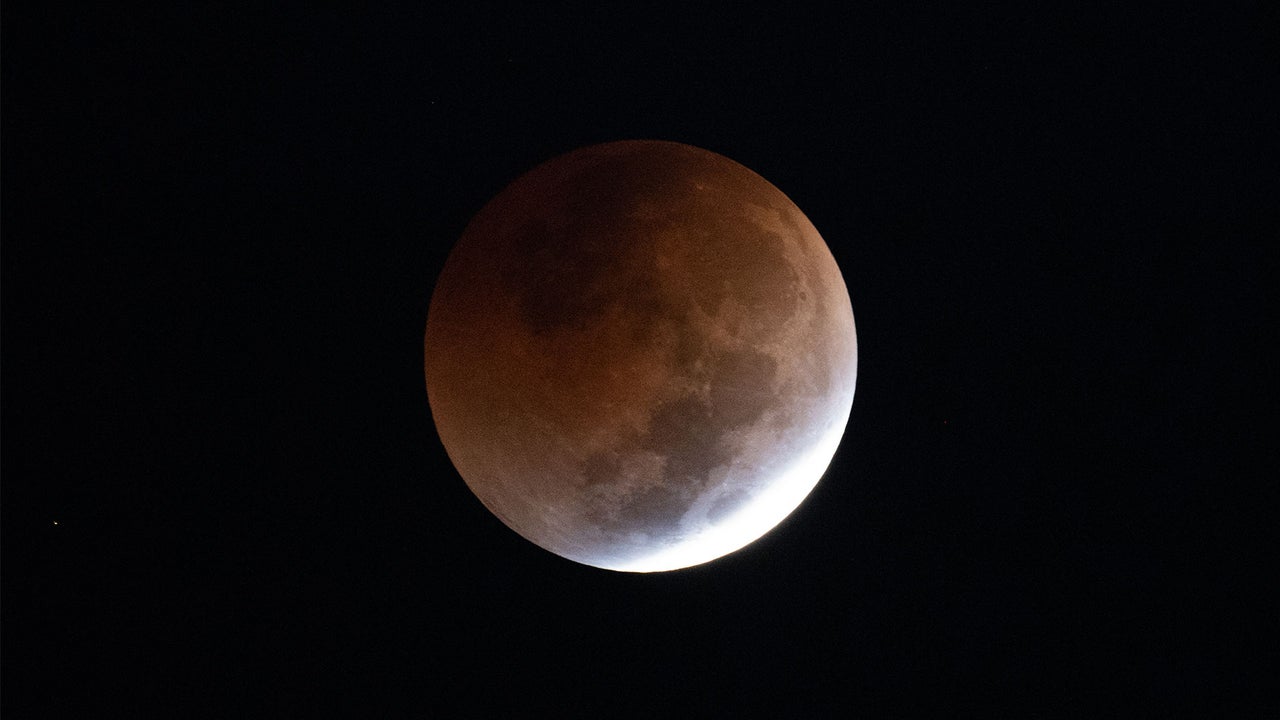
This evening, the full "Sturgeon Moon" will be eclipsed by the Earth, creating a near-total lunar eclipse visible in most of the Americas (excluding Alaska and northwestern Canada), as well as western Europe and western Africa. Full moon names, like "Sturgeon Moon," are derived from Native American traditions and natural phenomena, with the Sturgeon Moon named for the lake sturgeon that migrate to shallower waters during late summer, making them easier to catch.
A partial lunar eclipse occurs when the Earth, sun, and moon align, with the Earth blocking the sun's light. On this occasion, 96.3% of the moon will be covered, though it falls short of a complete lunar eclipse. The partial eclipse begins at 10:34 p.m. ET on Thursday, August 27, with the shadow slowly covering the moon and potentially turning it a reddish hue.
Peak viewing occurs at 12:13 a.m. ET on Friday, August 28, with the full moon also reaching its zenith at 12:18 a.m. ET on the same day. Unlike solar eclipses, lunar eclipses are safe to view with the naked eye, though the use of binoculars or telescopes can enhance the experience. To witness this celestial event, seek an area with minimal obstruction from trees, buildings, and light pollution.
Written by urgent.news from Fast Company's reporting — not their text. Machine-written — may contain errors; check the original before relying on it.