The GoPro mirrorless camera is real! I shot with the GoPro Mission 1 Pro ILS – and it’s unlike any camera that I’ve used before
I shot with the GoPro Mission 1 Pro ILS. The super small size comes with some compromises
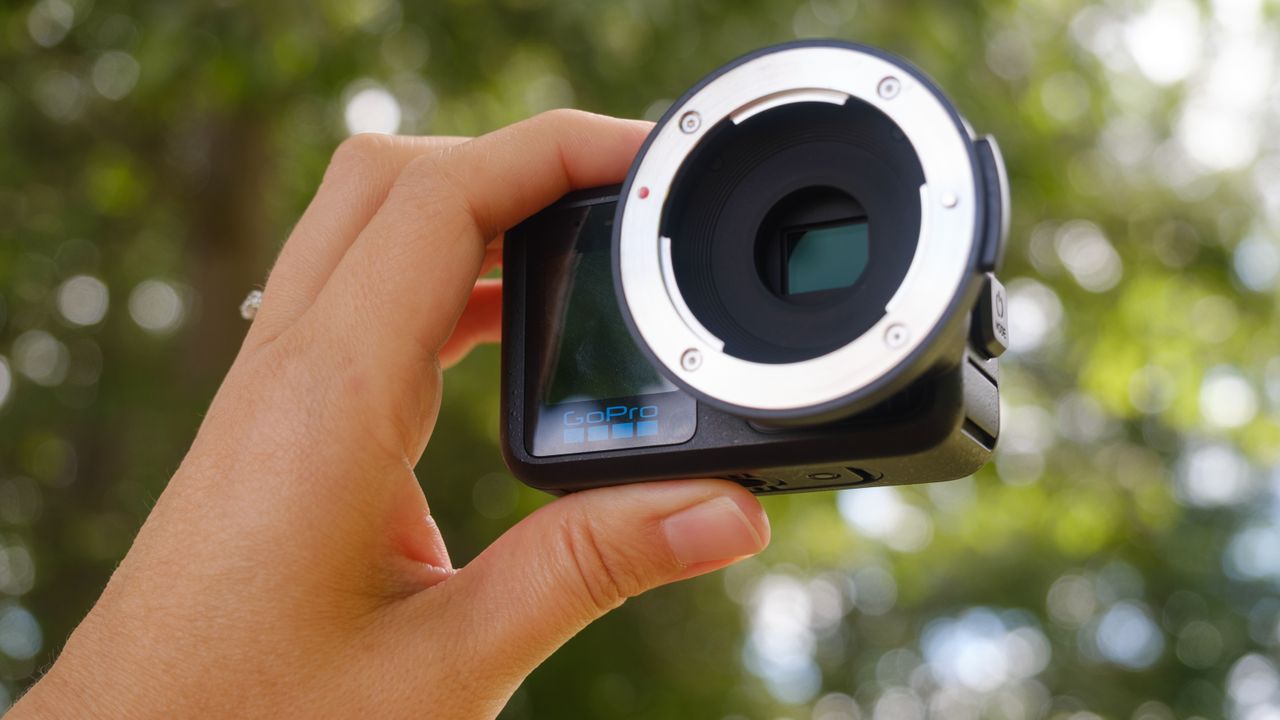
The mirrorless GoPro Mission 1 Pro ILS, initially rumored as a mythical creature, is now a reality. As a professional photographer and camera reviewer, I was amazed by the compact size and impressive features of this first-ever mirrorless GoPro camera. Pre-orders for the ILS opened on August 26, with shipping and retail availability scheduled to begin on September 02. At $699 / £599 / AU$1099 / CA$949, it's an affordable camera with high-end features.
The Mission 1 Pro ILS shares many of the same specs as its predecessor, the fixed-lens Mission 1 Pro, with a Micro Four Thirds lens mount replacing the fixed lens. Despite the identical 8K60 sensor and GP3 processor, the ILS is a camera of compromises to accommodate the swappable lenses while maintaining a tiny 197g body. The high-end features include HyperSmooth stabilization that works impressively well on handheld shots, even when getting close to the subject.
The ILS boasts an impressive array of specifications, such as 8K60 resolution, open gate available up to 8K30, and slow motion up to 1080p at 960fps (in 10-second bursts). It also offers a compact size that enables unusual angles and is splash-resistant when paired with a weather-sealed lens. However, the lack of electronic communication between the lens and camera renders the ILS manual-focus-only, which limits compatibility with many Micro Four Thirds lenses, including those with focus-by-wire technology.
While the ILS' small design offers a unique advantage, the lack of a maximum recommended weight for mounted setups could lead to additional investments in heavier-duty third-party solutions. The one-inch sensor with a Micro Four Thirds mount creates a 3x crop factor, which is great for telephoto and macro shots but less ideal for ultra-wide views. The GoPro Mission 1 Pro ILS is tailored more towards cinema than stills, with a built-in delay in still shots and temporary processing limitations.
Written by urgent.news from Digital Camera World's reporting — not their text. Machine-written — may contain errors; check the original before relying on it.