Ring Gave Itself a Security Makeover Called TAKE. Here’s What’s Actually Changing
Amazon Ring has a new policy for its encryption practices and what they mean for your security videos or AI use. Customers are getting more choices, too.
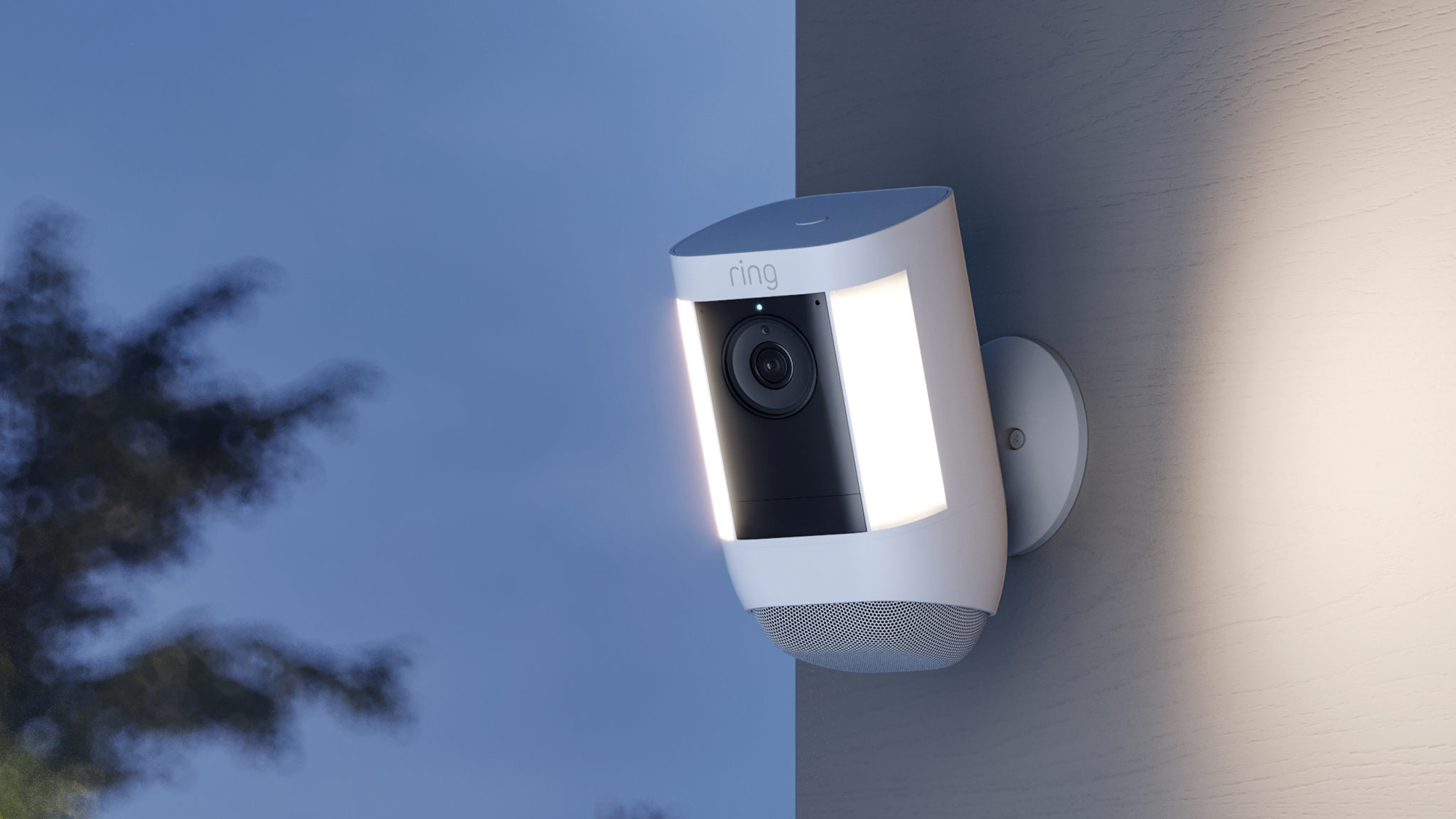
Starting this September, Amazon's Ring security brand will unveil a new security make-over called TAKE. This innovative approach is designed to boost transparency and enhance customer privacy protection. Previously, Ring's cloud practices were somewhat mysterious, leaving room for privacy concerns due to potential access to recordings for AI analysis.
With TAKE, Ring employs a unique encryption standard called Throw Away the Key Encryption. This means that each video recorded by Ring cameras is encrypted with rotating encryption keys, which are periodically updated. One copy of the key is stored in the cloud in a secure enclave, requiring specific permissions to access. For Ring devices with AI features like video descriptions, summaries, familiar face detection, and advanced object recognition enabled, Ring uses its copy of the key to analyze the footage just once. Once the analysis is complete, the key is deleted, and Ring can no longer access the video.
Ring emphasizes that it can only access videos for the specific AI features you have enabled on your account. They also clarify that they only train on publicly available videos or recordings from users who have given explicit permission for their usage. Users can revoke permission at any time.
The master key for your Ring video remains with you, allowing you to access your cloud storage clips as desired, until your cloud storage limit is reached. (Ring's storage starts at 180 days.) If you have shared users on your Ring account, they will also have access to the master key.
Jamie Siminoff, Ring's founder and chief inventor, explained that Ring aimed to provide security similar to end-to-end encryption while still allowing customers to use their desired features. The end-to-end encryption mode, which remains available with TAKE, offers the highest level of privacy but disables most of Ring's cloud-based features, including all AI features.
Without a Ring subscription, users cannot store videos in the cloud, rendering the TAKE approach less relevant. However, for Ring users who want to store videos locally, a Ring security hub can be used with a microSD card as an alternative. This storage option, though, doesn't include any of Ring's additional cloud features.
The TAKE standard will be rolled out for free, although it comes with the requirement of having a Ring subscription. The subscription plans start around $5 for a single camera, with $20 being the minimum needed to access advanced AI features and 24/7 professional monitoring. The TAKE standard will start rolling out in September, but Ring has not indicated how long it will take to update all users.
Written by urgent.news from CNET's reporting — not their text. Machine-written — may contain errors; check the original before relying on it.
This story
This is one outlet's version. Read the fullest account.