Engineered yeasts help turn PET plastic and crop waste into protein-rich cookies
Plastic might be the last ingredient you would ever add to a cookie recipe. But a team of researchers is looking to change that. They've programmed yeasts to turn plastic and agricultural waste into edible proteins and flavoring molecules, creating a treat from trash. The technology not only offers a new upcycling method but could also sustain life in disaster zones or even deep-space missions…

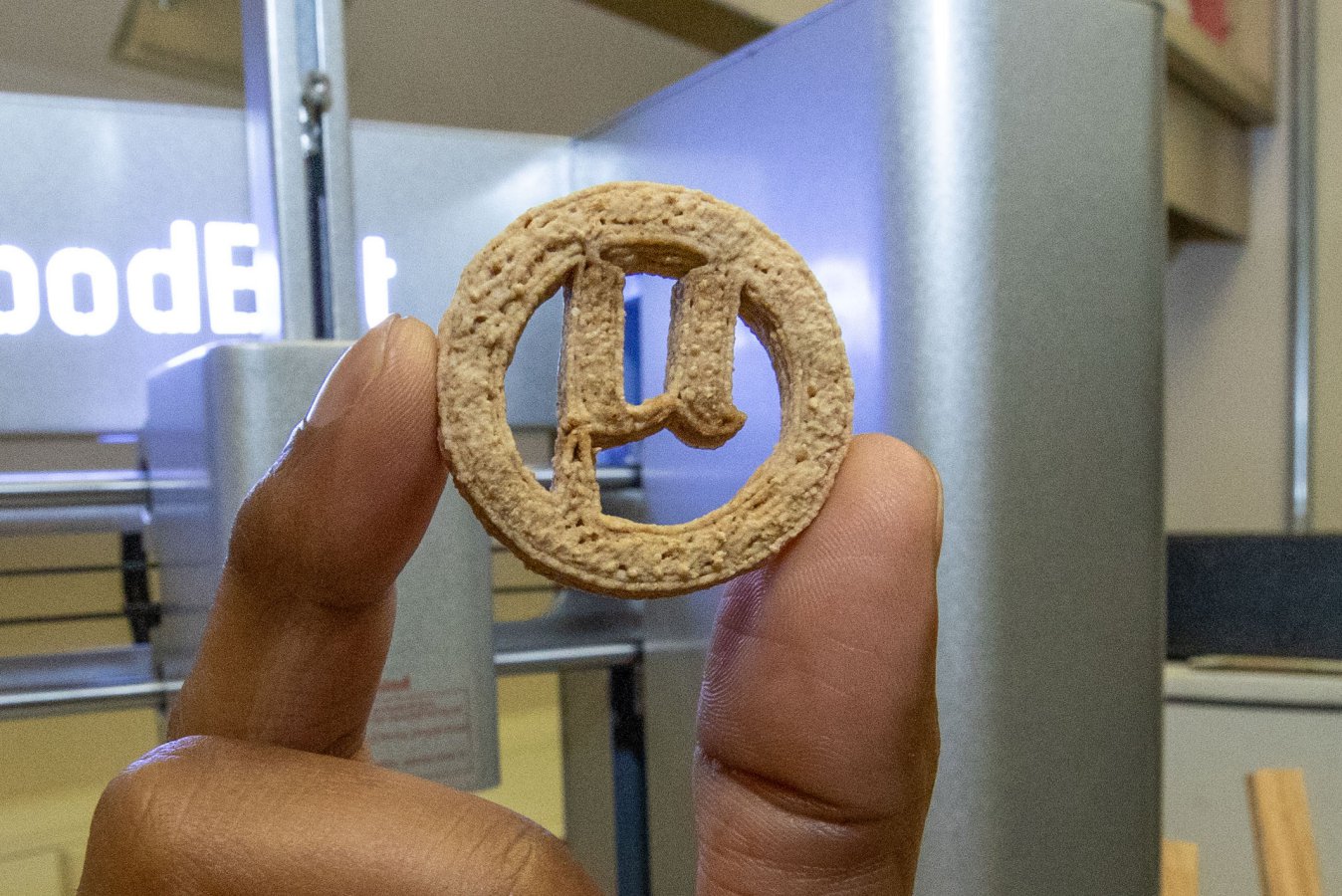
Researchers at Southern Illinois University Carbondale have engineered yeasts capable of transforming plastic waste and crop byproducts into protein-rich edible cookies, called µBites. This innovative approach, part of a NASA-led project, addresses both plastic pollution and food security challenges. By using a process called oxidative hydrothermal dissolution, the team breaks down PET plastic and agricultural waste into microbe-accessible pieces, which are then fed to programmed yeasts.
These yeasts convert the materials into proteins, vitamins, and flavorings. The research team, led by Associate Professor Lahiru Jayakody and graduate student Sandhya Jayasekara, has successfully converted PET plastic and corn plant stalks into edible ingredients, including proteins, fats, and acids. These ingredients are then extruded through a 3D printer to create the protein-rich cookies.
Preliminary safety data indicate the cookies are edible, although taste testing awaits institutional approval. The researchers aim to enhance the cookies' appeal by producing additional food additives through yeast, eventually making µBites a more consumer-friendly product. With global food demand projected to increase by 35-56% by 2050, and 30% of the world's population at risk of hunger, this technology offers a promising solution for sustainable food production in resource-limited environments.
Written by urgent.news from Phys.org's reporting — not their text. Machine-written — may contain errors; check the original before relying on it.