Plastic bottles can be turned into edible, vanilla-flavour cookies
Hundreds of millions of tonnes of plastic pollution are created each year. One option may be to turn the pollution into food, but critics voice concerns
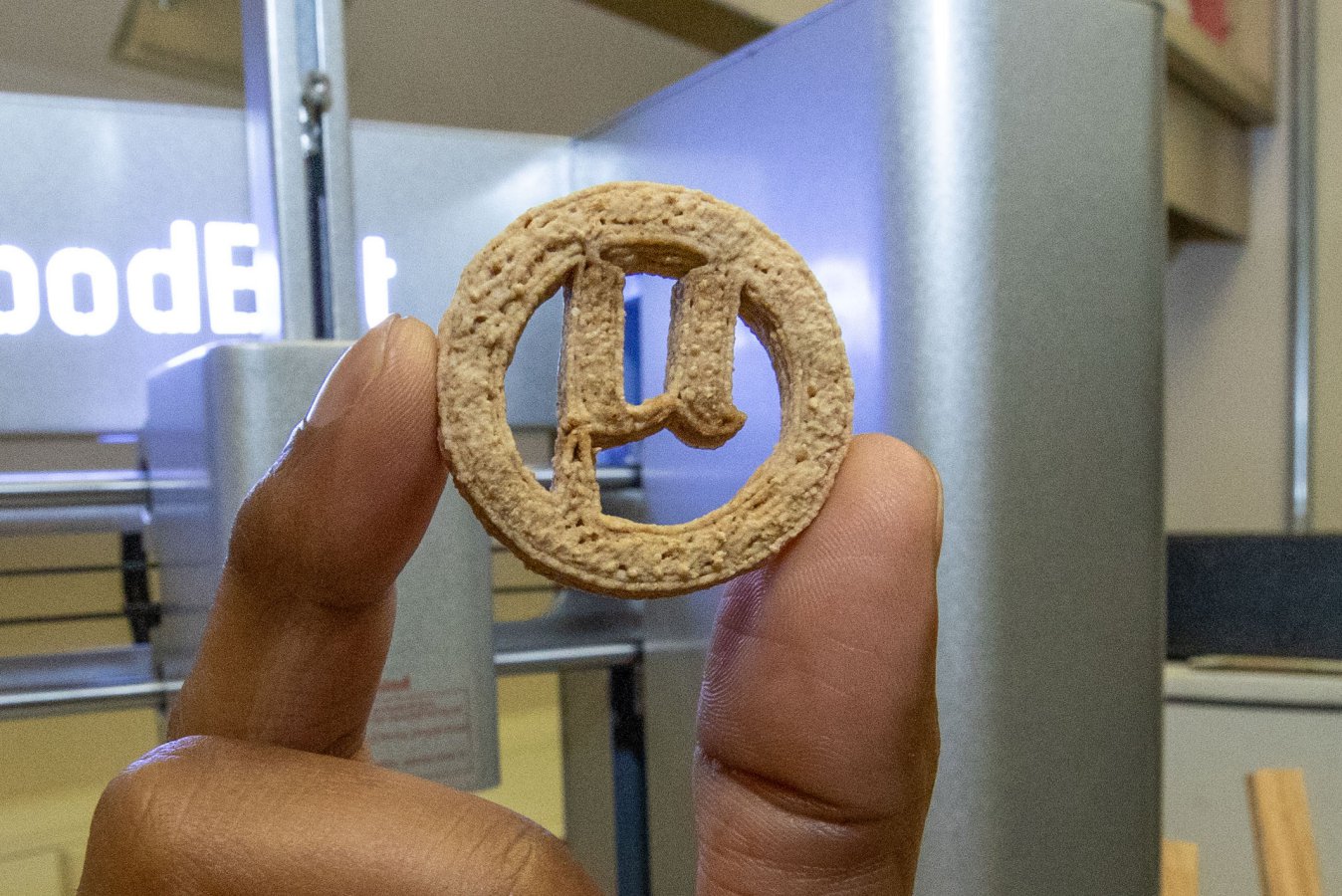
Plastic waste and food scarcity present significant challenges for society, but a team at Southern Illinois University Carbondale may have found a solution. By employing genetically engineered yeast, researchers Sandhya Jayasekara and Lahiru Jayakody have discovered a way to transform used plastic bottles and agricultural waste into edible cookies with a vanilla flavor.
The process begins with oxidative hydrothermal dissolution of plastic bottles and sweetcorn plant stalks, breaking them down into components that microbes can digest. These components are then fed to genetically modified yeast, which converts them into proteins, fats, acids, vanilla flavoring, and beta-carotene. Finally, fiber, starch, and sweetener are added, and the mixture is extruded through a 3D printer to create the cookies, dubbed µBites.
The researchers are eagerly awaiting approval to taste the product, expressing confidence that it will have an appealing aroma and taste. While they estimate it will take 20 years of additional research to fully implement this waste-to-food process, they hope it will inspire others to tackle plastic pollution in innovative ways.
However, some experts, such as Jason Hallett from Imperial College London, argue that µBites may not significantly impact the plastic waste crisis. With 400 million tons of plastic waste produced annually, creating a circular economy for plastics by recycling existing materials may be a more practical solution. Additionally, the idea of food made from plastic and the stigma surrounding genetic engineering may hinder the acceptance of µBites.
Ultimately, recycling through established processes may be the most feasible and efficient approach to addressing the plastic pollution crisis.
Written by urgent.news from New Scientist's reporting — not their text. Machine-written — may contain errors; check the original before relying on it.