NASA Glenn’s Legacy Forged Through Decades of Flight Research
Many of NASA’s most important aerospace breakthroughs that began in the laboratory were ultimately proven in the sky. For decades, experts at NASA’s Glenn Research Center in Cleveland conducted flight tests — piloting aircraft into targeted environments such as icing clouds and carefully defined atmospheric routes. This approach allowed them to collect measurements directly in flight, providing…
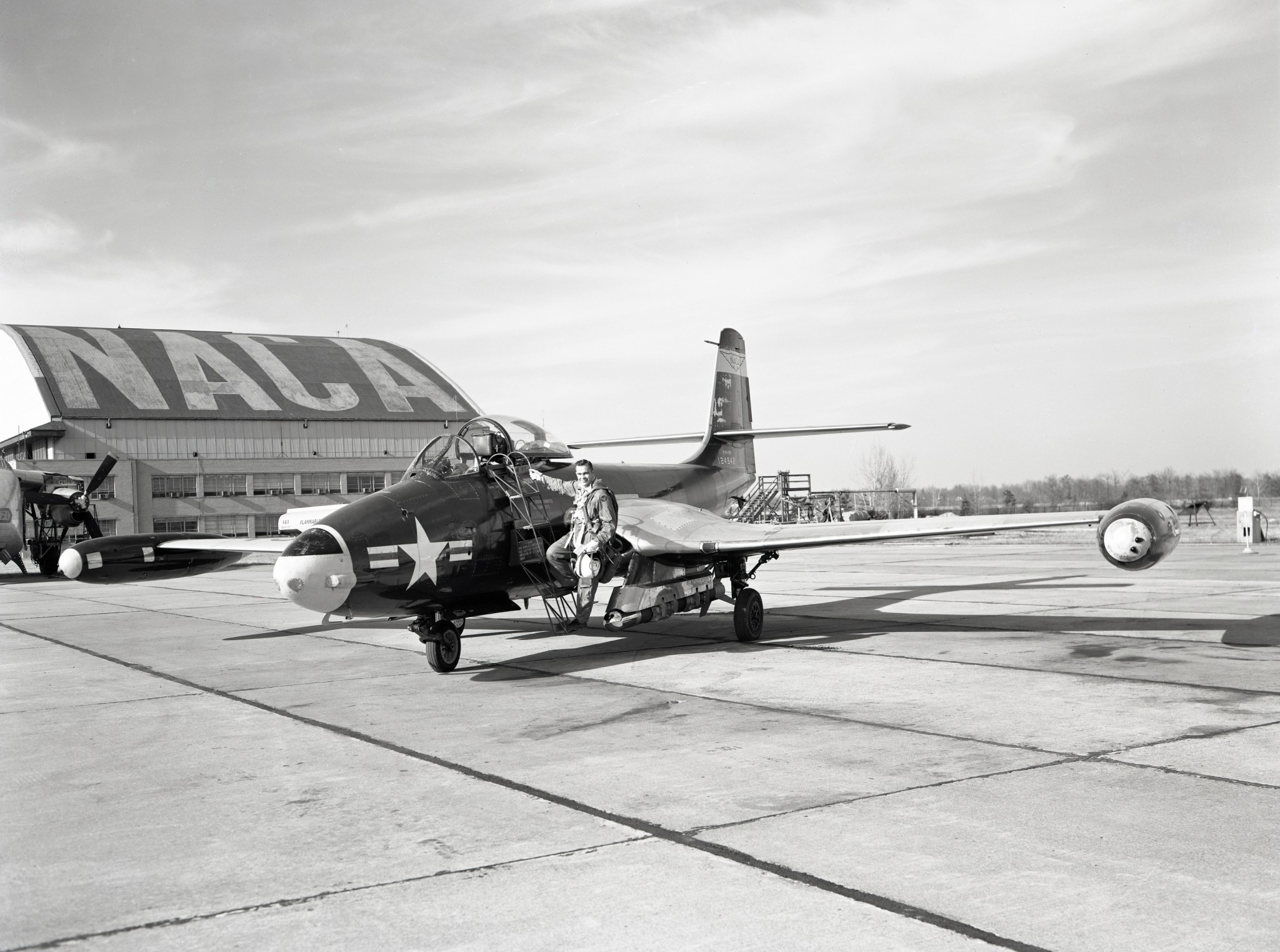
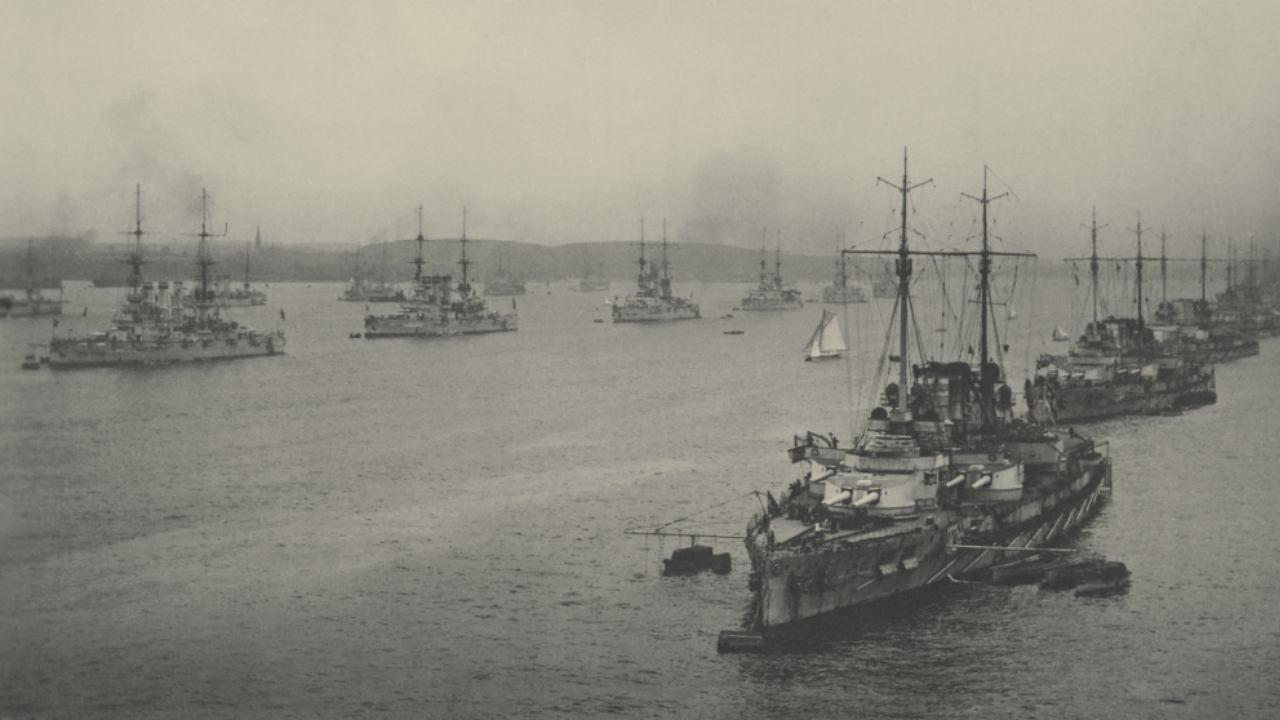
NASA’s Glenn Research Center, originally known as the Aircraft Engine Research Laboratory for the National Advisory Committee for Aeronautics, has a storied history of flight research that began in the 1940s. During WWII, engineers and pilots aimed to improve aircraft performance and high-altitude reliability. In the mid-to-late 1940s, flight research helped make early jet and ramjet engines practical, setting the stage for NASA Glenn's reputation for airborne research.
The center's first generation of pilots, including Howard Lilly, Joseph Walker, William Swann, and William "Ed" Gough, played a crucial role in establishing NASA Glenn's airborne research capabilities. Alongside researchers, engineers, and support staff, these pilots bridged the gap between laboratory research and real-world performance, demonstrating how flight testing could validate theories and link them to practical performance.
Some of NASA’s most significant aerospace breakthroughs began in the laboratory, but were ultimately proven in the sky. Flight testing allowed researchers to collect direct measurements in targeted environments, such as icing clouds and carefully defined atmospheric routes. This approach provided critical data that linked laboratory theories to practical performance.
For instance, NASA Glenn's De Havilland DHC-6 Twin Otter served as the center's workhorse for icing research, collecting data to shape modern aviation safety standards for nearly 40 years. Additionally, NASA Glenn conducted hydrogen fuel testing on Martin B-57B Canberra aircraft, demonstrating the system's reliable operation and advanced efficiency in 1957. This milestone advanced aviation technology and laid the foundation for future hydrogen fuel research.
Beyond improving aviation safety, NASA Glenn's flight research explored new propulsion technologies, such as hydrogen fuel systems. In 1957, researchers tested a hydrogen fuel system in a Martin B-57B Canberra aircraft, showing its reliability and efficiency. This pioneering work marked a major step in aviation technology.
Moreover, NASA Glenn's flight research extended beyond Earth, helping researchers evaluate hardware in space-like conditions. Since 1963, the center has conducted solar cell testing using specially modified planes, simulating space conditions to calibrate space technology. The program supported environmental science, tracking harmful algal blooms on Lake Erie using data collected from Twin Otter and S-3B Viking aircraft.
Glenn’s research aircraft also played a crucial role in microgravity testing, using specially modified aircraft like its DC-9 to create short periods of weightlessness during parabolic maneuvers. This allowed researchers to study various phenomena in near-zero gravity before experiments were conducted in space.
Written by urgent.news from NASA Science's reporting — not their text. Machine-written — may contain errors; check the original before relying on it.
This story
This is one outlet's version. Read the fullest account.