The Next Energy Crisis Could Be a Water Crisis
An overview of the increased stresses on water supplies and their relationship to energy production.
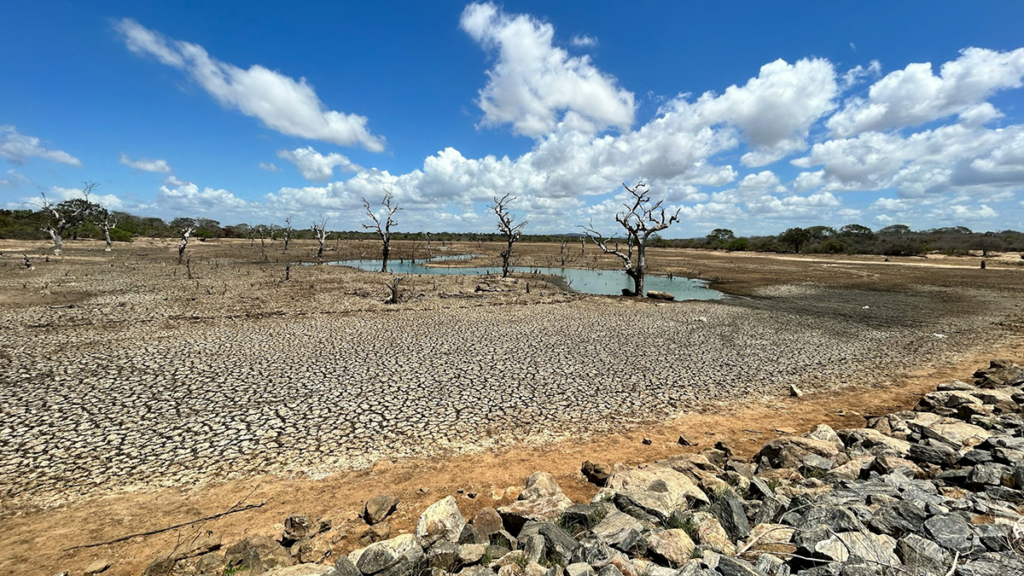
In the future, the most pressing crisis may not be a shortage of energy, but a scarcity of water. Climate change is causing temperatures to rise and rainfall patterns to shift dramatically, leading to decreased flows in rivers like the Colorado and lower water levels in reservoirs such as Lake Mead. The Colorado River's diminished flow and Lake Mead's falling water levels pose significant challenges for water users in the Southwest, as Hoover Dam, located at the foot of Lake Mead, is a substantial power producer and a major consumer of water.
European power plants face a similar issue, with insufficient water in rivers to cool power stations and transport fuel via barges. Coastal power stations could also face difficulties if sea levels rise. Hot weather exacerbates electricity transmission and distribution facility operations and reduces their carrying capacity. AI centers require both water for their operations and their power plants.
The United States uses about one-third of its water supply for power generation, and the Trump administration is promoting water-intensive energy sources like nuclear and coal plants while downplaying efforts to clean up water supplies and clean up pollution, which would increase the usable water supply. The government appears uninterested in addressing this issue, and market-based solutions may not be effective due to various factors, including the need for politically sensitive price increases, the complexity of multiple laws and jurisdictions, and the influence of parochial interests among water suppliers.
The lack of coordination between water and energy sectors could lead to significant challenges, as people are increasingly aware of the connection between electricity and water availability. The Trump administration's reluctance to acknowledge the disruptive effects of climate change on both sectors suggests that a coordinated approach to water and energy issues may not emerge in the near future.
Written by urgent.news from OilPrice's reporting — not their text. Machine-written — may contain errors; check the original before relying on it.
This story
This is one outlet's version. Read the fullest account.
- The Next Energy Crisis Could Be a Water Crisis oilprice.com