Scapa Flow's sunken German warships later became prized for pre-nuclear steel
Following their scuttling in 1919, fifty-two German warships found their final resting place in Scapa Flow. Remarkably, the steel salvaged from these wrecks has been pivotal in numerous modern scientific innovations. This unique pre-nuclear steel has been instrumental in constructing sensitive radiation detectors that safeguard medical imaging and deep-space probes from erroneous readings. To…
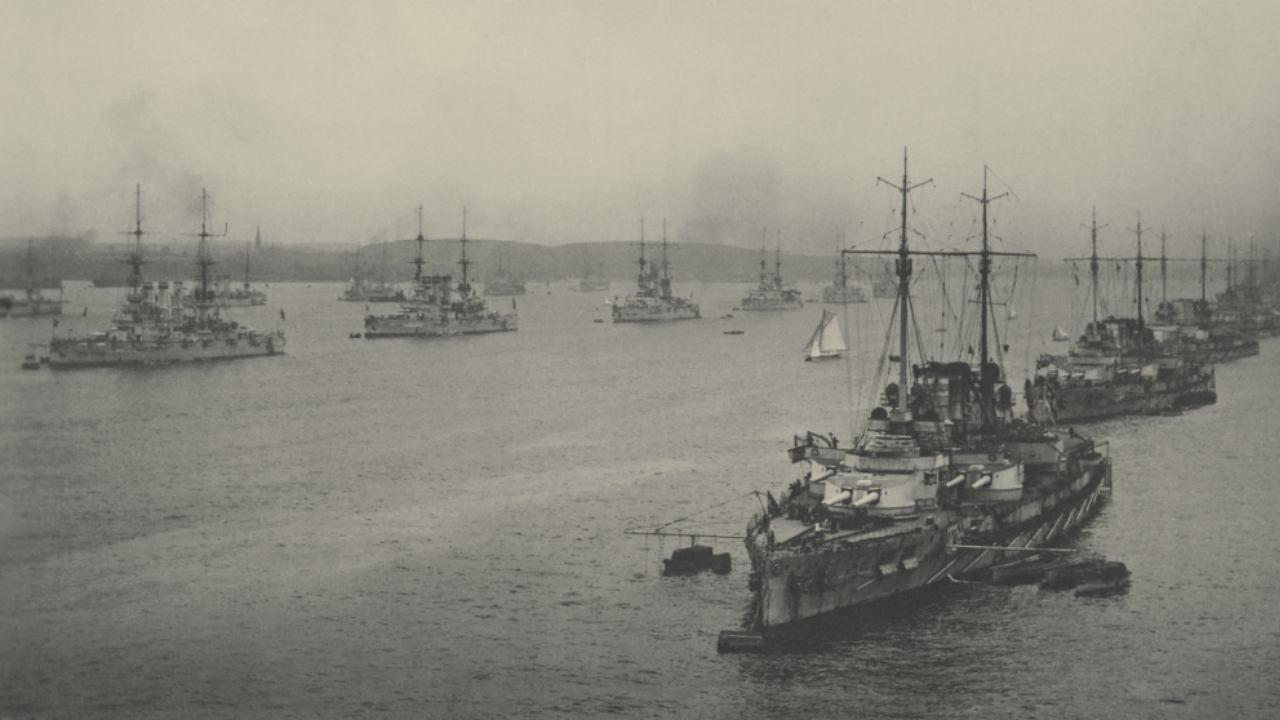
After the end of World War I, 52 German warships were intentionally sunk in Scapa Flow to prevent potential capture by British forces. These wrecks eventually proved valuable, as steel recovered from them became integral to various high-tech applications in modern science and technology. The turning point was the first nuclear bomb test in July 1945, which produced radioactive isotopes that found their way into newly produced steel.
While this radiation is harmless for standard construction, it can create background noise that affects sensitive equipment designed to detect small amounts of radiation.
In the post-war era, the need for low-background steel grew, as certain scientific and medical technologies required materials that wouldn't produce unwanted background radiation. Scapa Flow's pre-nuclear steel, with its minimal exposure to artificial radioactivity, became an important source for shielded equipment like Geiger counters, medical body scanners, and deep-space probes.
The partial testing ban treaty in 1963 further reduced atmospheric nuclear testing, allowing the low-background steel to maintain its valuable properties.
Today, the seven remaining German warships at Scapa Flow are protected as historic monuments and marine protected sites. Not only do they serve as a reminder of World War I, but their pre-nuclear steel also continues to contribute to various scientific and technological advancements, demonstrating the lasting impact of these sunken vessels.
Written by urgent.news from Times of India's reporting — not their text. Machine-written — may contain errors; check the original before relying on it.