Ancient diets relied heavily on sugars and starches to power expanding hominin brains
While anthropologists frequently credit meat consumption for the development of large human brains, new dietary modeling indicates that carbohydrates from fruit and honey actually provided the essential glucose required for hominin cognitive evolution.
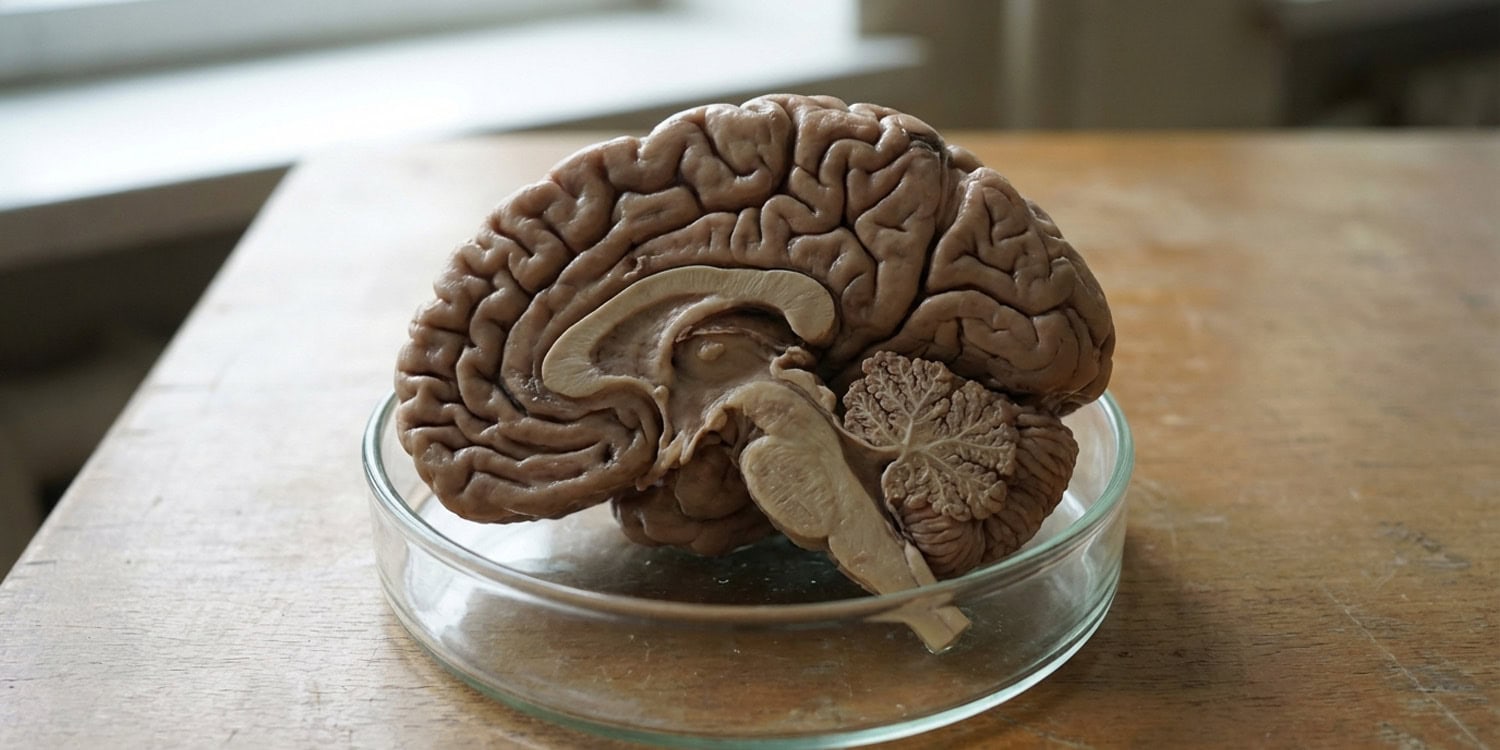
Intelligence is an energetically costly trait, and the human brain is a prime example of this. Comprising just 2% of our body weight, it consumes 20% of our total energy, even in a resting state. Five-year-olds rely on their brains for 66% of their energy requirements. So, how did our ancestors provide enough fuel for such a demanding organ?
Meat has often been suggested as the answer, but there's a catch. The brain runs on glucose, a fuel source not found in meat. Our new research, published in Science, reveals that carbohydrates accounted for more than half of our ancestors' energy needs over four million years. This insight sheds light on why we crave sweet foods today and how we can improve our diets.
Historically, meat was thought to be the driving force behind our large brains due to the need for tools to process it. However, protein and fat in fruits and leaves are less concentrated, demanding hours of chewing, while animal foods offer a quick energy source. The body can convert protein into glucose, but this process is inefficient and limited.
Excessive reliance on protein can even lead to "rabbit starvation." Our study indicates that for most of human evolution, sugars from fruits and honey were the primary energy source. Modelling ancient diets, we calculated the glucose demand of various organs and tissues, including the brain, red blood cells, and kidneys. We also considered the glucose requirements of the fetus and placenta during pregnancy and lactation.
Initially, our closest ancestor, Lucy (Australopithecus afarensis), relied on fruits for most of her energy. By incorporating more animal-based foods over time, humans eventually incorporated cooked starch and cereal grains into their diet. This shift allowed for better glucose availability, supporting brain development and survival.
Today, we require about half of our energy from carbohydrates, which also explains our attraction to sweet foods. These sugars are packed with antioxidants and other beneficial compounds, making them an ideal food source. However, refined sugars should be consumed in moderation to avoid potential health issues like type 2 diabetes and cardiovascular disease.
Written by urgent.news from PsyPost's reporting — not their text. Machine-written — may contain errors; check the original before relying on it.