Korea, NASA partner to map radiation at moon's south pole
As space agencies around the world prepare for a historic return to the moon, one of the greatest dangers confronting future astronauts remains an invisible threat: cosmic radiation. To help map this hazardous environment, Korea’s newly formed space agency has secured a key partnership with NASA to land a domestically developed radiation detector on the lunar south pole. The Korea AeroSpace…
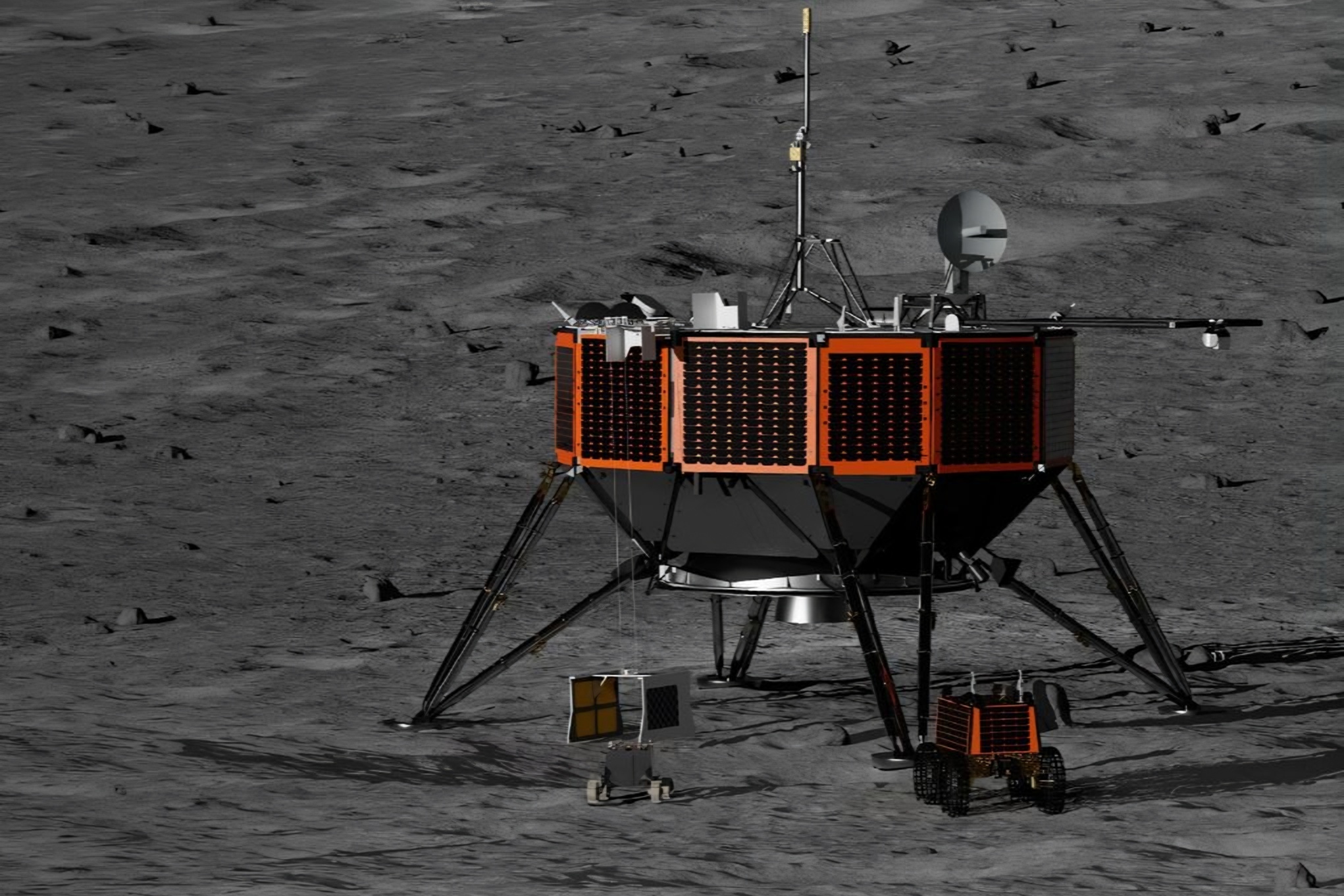
As space agencies around the globe gear up for a historic lunar return, a critical concern looms unseen: the threat posed by cosmic radiation. To shed light on this peril, Korea's fledgling space agency, the Korea AeroSpace Administration (KASA), has forged a vital partnership with NASA. Their collaboration aims to deploy a radiation detector developed by Korea directly onto the lunar south pole.
KASA announced on Tuesday that they had inked an implementation agreement with NASA, setting the stage for the deployment of the Lunar Vehicle Radiation Dosimeter (LVRAD). This compact instrument, crafted by the Korea Astronomy and Space Science Institute, will meticulously measure radiation levels on the moon's surface, providing invaluable data to safeguard astronauts and vital electronics during forthcoming long-duration missions.
The mission is part of NASA's Commercial Lunar Payload Services program. This initiative contracts private aerospace firms to transport scientific payloads to the moon's surface. Korea's LVRAD will be integrated into a lander built by a yet-to-be-announced American company, slated for launch in 2030.
Written by urgent.news from The Korea Times's reporting — not their text. Machine-written — may contain errors; check the original before relying on it.
This story
This is one outlet's version. Read the fullest account.
- Korea, NASA partner to map radiation at moon's south pole koreatimes.co.kr