'If this is the new normal, then we are in very deep trouble': Brazil's drying aquifers could have ripple effects across the world
New research suggests some of Brazil's most important aquifers, located beneath major agricultural regions, aren't being replenished. What does this mean for the country's water supply and food exports?
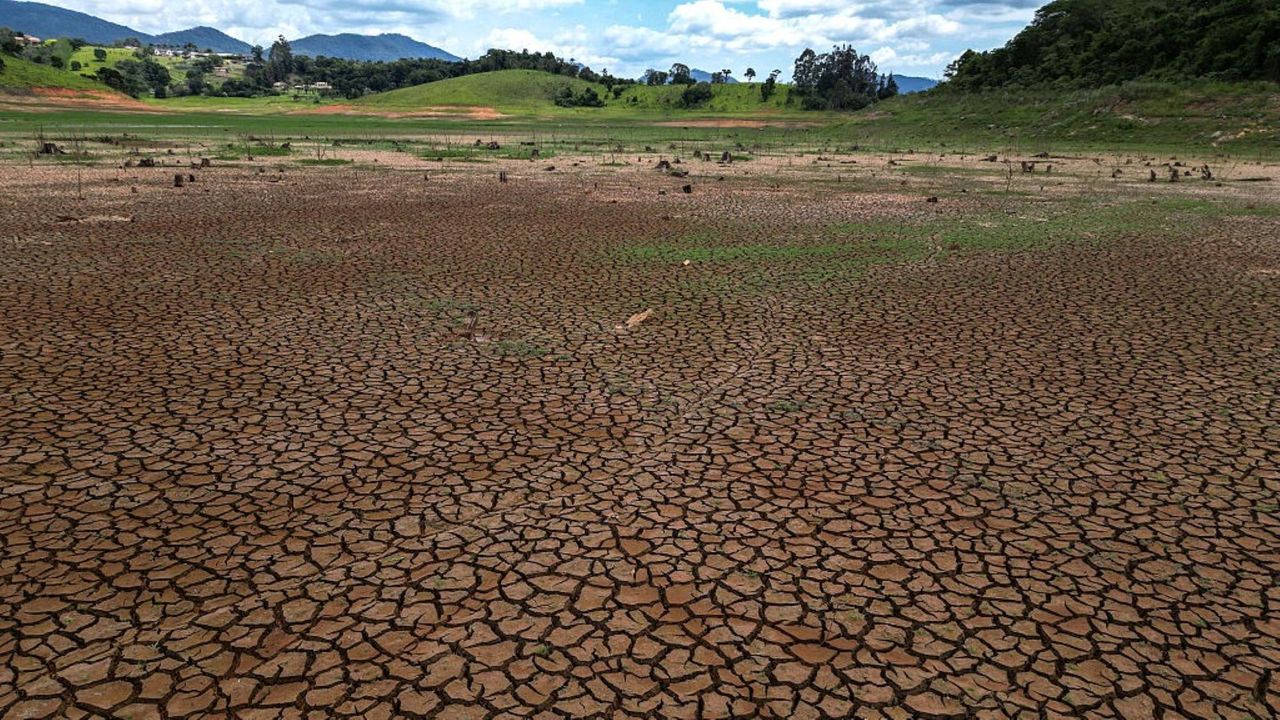
Brazil's aquifers, some of the world's largest, are rapidly depleting, posing potential global impacts. Groundwater, which supplies 55% of the nation's water, has drastically diminished over the past 25 years due to drought, climate change-induced evaporation, and human consumption, according to new research. Critical crops such as soybeans, sugarcane, coffee, and cotton, along with a significant portion of global corn production, rely on these aquifers.
This groundwater scarcity could trigger ripple effects in global food markets, including the U.S. Furthermore, the depletion may force Brazil to rely on coal or biomass for electricity, as river systems that generate hydroelectric power may collapse.
However, immediate concerns about total agricultural output over the next 10 to 20 years appear less pressing. Instead, the real worry lies in the long-term consequences if this trend persists for several decades. Brazil, a major global food producer, has an extraordinary advantage with vast renewable freshwater reserves, primarily thanks to the Amazon Basin. Yet, compared to countries like the U.S. and India, whose groundwater monitoring systems are extensive, Brazil's network is sparse.
Using AI technology, researchers reconstructed monthly groundwater level changes between 2002 and 2023 across various aquifers in Brazil with high accuracy. The data revealed severe, persistent groundwater losses in central, northeastern, and southeastern Brazil, covering 23% of the country's land area. In contrast, the Amazon Basin and parts of southern Brazil exhibited either no change or localized gains due to shifts in rainfall and natural climate variations.
The study does not pinpoint specific pressures responsible for the groundwater depletion; however, climate change is recognized as a significant factor. Prolonged and intensified droughts, exacerbated by climate events like El Niño, have played a major role. Consequently, areas with intense irrigation, urban and industrial demands, mining, land conversion, and high well density have experienced the most pronounced aquifer losses.
The authors suggest that climate change creates the underlying water deficit, while extraction and land-use changes amplify its magnitude and duration, particularly in heavily utilized regions.
According to Javier Tomasella, an environmental scientist at Brazil's National Institute for Space Research, climate change is the primary cause of aquifer depletion in Brazil. Droughts are becoming longer and more intense, negatively impacting most of the country, especially the central and northeastern regions. Harsher droughts reduce groundwater recharge and increase water demand, leading to higher extraction rates from aquifers during dry periods.
Written by urgent.news from Live Science's reporting — not their text. Machine-written — may contain errors; check the original before relying on it.
This story
This is one outlet's version. Read the fullest account.