Romania shuts only nuclear plant as heat causes huge drop in Danube River level
The Cernavodă plant, which produces 20% of Romania's electricity, is not expected to be restarted within the next 10 days.
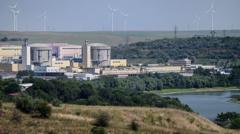
Romania has temporarily shut down its sole nuclear power plant, Cernavodă, due to critically low water levels in the Danube River, exacerbated by intense heatwaves affecting much of Europe. The Cernavodă facility, which contributes roughly 20% of Romania's electricity, relies on the Danube for cooling, and its reactors are not expected to resume operations within the next 10 days.
Efforts to boost water flow by sinking rock-filled barges into the river have proven ineffective. Neighboring Hungary has thus far avoided any nuclear shutdowns in its only plant, Paks, which also draws power from the Danube. The Danube's water levels have dropped to their lowest in 30 years, affecting several countries. The Cernavodă plant's first reactor was already offline since July.
With the nuclear plant's reduced output, Romania will need to rely on alternative energy sources, such as coal, gas, and imports, to meet evening electricity demands. While Romania possesses substantial hydropower potential, low river levels have severely curtailed this source as well. The European heatwave, driven by climate change, is particularly severe in Europe, where temperatures are rising twice as fast as the global average.
This escalation in temperatures is causing widespread damage, including extreme wildfires in Greece and France, and significant economic losses, with some projections suggesting direct and indirect costs could reach €10bn to €15bn in France alone.
Written by urgent.news from BBC World's reporting — not their text. Machine-written — may contain errors; check the original before relying on it.
This story
This is one outlet's version. Read the fullest account.
- Romania shuts only nuclear plant as heat causes huge drop in Danube River level kahawatungu.com
- Nero’s Bridge emerges from Tiber River as Rome faces water crisis apnews.com
- Romania shuts nuclear plant, Hungary dams dry Danube River dw.com
- Romania shuts down nuclear plant due to low level of drought-hit Danube rfi.fr
- Romania begins shutdown of nuclear plant's 2nd reactor amid low water levels on Danube River pbs.org
- Romania Shuts Nuclear Reactor on Danube as Power Crisis Deepens balkaninsight.com
- Low Danube Water Levels Force Shutdown of Romania's Cernavoda Nuclear Plant en.tempo.co
- Romania shuts nuclear plant as Danube drops channelnewsasia.com