Romania shuts nuclear plant as Danube drops
The plant is not expected to restart for at least 10 days, while Romania plans to rely on alternative power sources and imports.
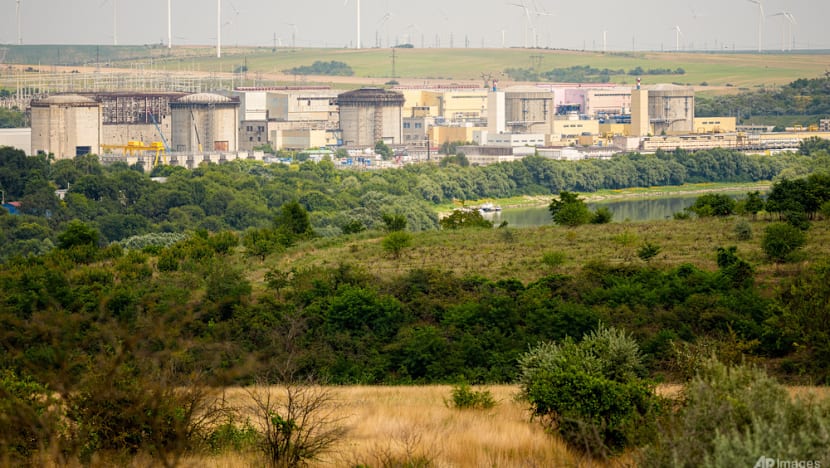
Romania has halted its sole nuclear power plant, Cernavodă, due to alarmingly low water levels in the Danube river, a result of persistent hot weather impacting numerous European regions. The plant, which generates approximately 20% of Romania's electricity through two reactors, is not projected to resume operations within the next ten days.
Attempts were made to boost the water flow by sinking barge-loaded rocks into the river, but the plant's director, Romeo Urjan, stated that a restart was unlikely within the forthcoming ten days. The first reactor was already switched off in July. Prior to this, the facility had only been offline once before in 2003. The power deficit is typically filled by solar and wind energy during hot, windy afternoons, but traditional coal- and gas-powered generation will need to be supplemented by imports during the evenings.
Romania also possesses significant hydropower potential, yet this has been considerably reduced by the same water scarcity that triggered the nuclear shutdown. In Hungary, Prime Minister Péter Magyar warned that the aging Paks nuclear plant, featuring four reactors, might face a complete shutdown for the first time due to the low water levels in the Danube.
The low water levels are also hampering river traffic on the Rhine, another crucial European waterway. The agricultural sector has suffered considerable damage from climate-related events like hail, drought, and wildfires, which could exceed €3bn in Italy and €10bn to €15bn in France. The Dutch bank Triodos projected that the extreme heat could erase a substantial portion of the anticipated economic growth for the EU.
In Greece, over 200 individuals, primarily tourists, were evacuated from the coastal towns of Siviri and Fourka due to a raging wildfire. Multiple departments in France have been placed under a heatwave alert, with some locations expected to surpass 40C (104F) on Friday, following devastating fires that have caused more destruction this year than since World War Two.
Spain, still grappling with the aftermath of recent wildfires, recorded temperatures of up to 37C in central areas. The United Kingdom experienced its hottest day of the year so far, with a provisional temperature of 38.1C recorded in London's Kew Gardens. Numerous fires were burning across the West Midlands, resulting in several injuries and the destruction of four homes.
Rain is anticipated in several parts of the UK over the weekend, but the BBC climate and science team asserts that it will require more than showers to alleviate the country's widespread drought.
Written by urgent.news from BBC Science's reporting — not their text. Machine-written — may contain errors; check the original before relying on it.
This story
This is one outlet's version. Read the fullest account.
- Romania shuts only nuclear plant as heat causes huge drop in Danube River level kahawatungu.com
- Nero’s Bridge emerges from Tiber River as Rome faces water crisis apnews.com
- Romania shuts nuclear plant, Hungary dams dry Danube River dw.com
- Romania shuts down nuclear plant due to low level of drought-hit Danube rfi.fr
- Romania begins shutdown of nuclear plant's 2nd reactor amid low water levels on Danube River pbs.org
- Romania Shuts Nuclear Reactor on Danube as Power Crisis Deepens balkaninsight.com
- Low Danube Water Levels Force Shutdown of Romania's Cernavoda Nuclear Plant en.tempo.co
- Romania shuts only nuclear plant as heat causes huge drop in Danube River level bbc.co.uk