Perseid meteor shower reaches peak: When and where to catch a glimpse
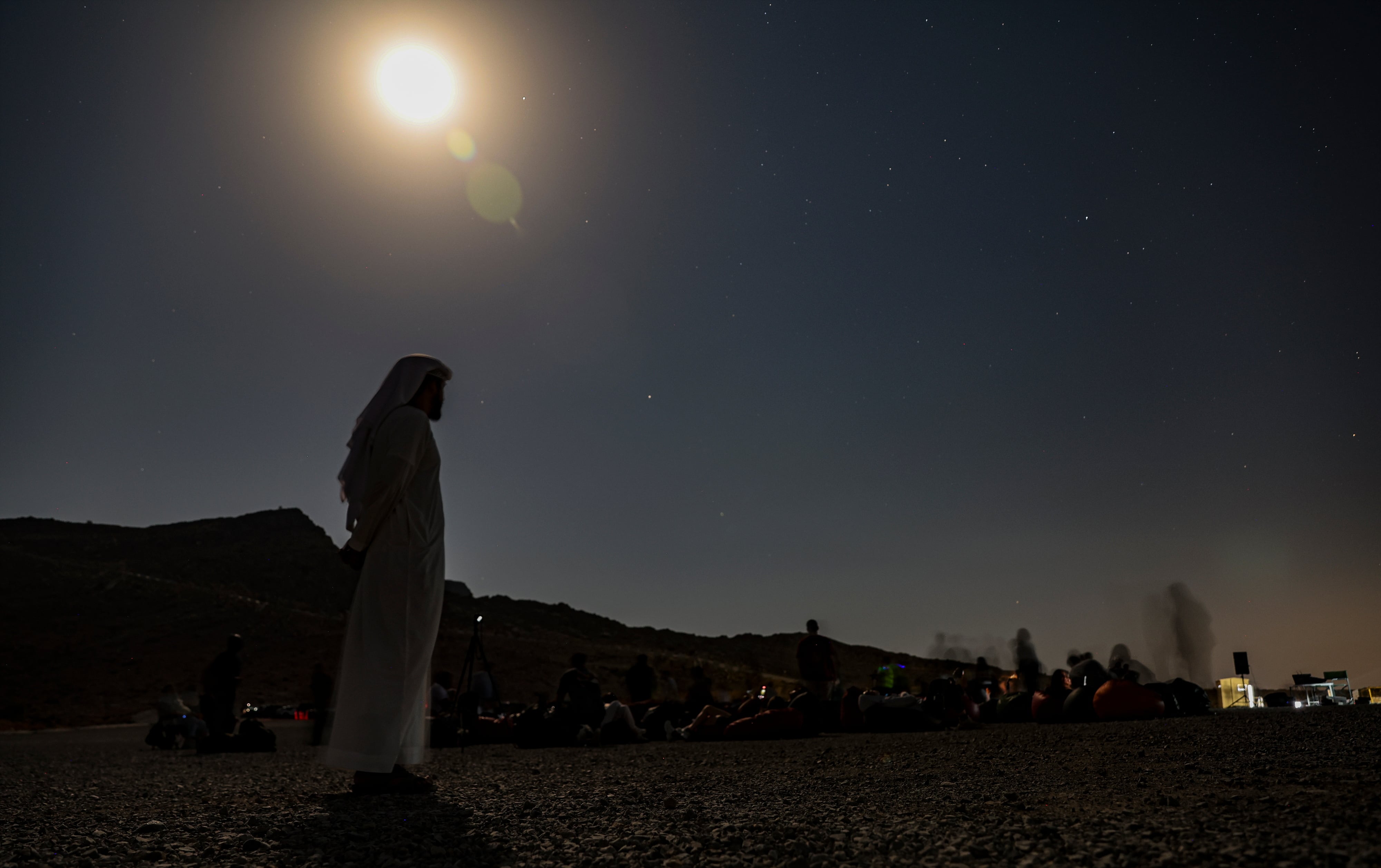
On Wednesday night the Perseids will peak offering the best chance of seeing a 'shooting star'.
The annual Perseid meteor shower has emerged, promising a spectacular celestial display on Wednesday night. However, sky enthusiasts can anticipate not just one, but two remarkable astronomical phenomena occurring within a few hours of each other. A partial solar eclipse will also be visible in the UK just before sunset, adding to the night's celestial wonders. These two events, while unrelated, create an extraordinary opportunity for stargazers to witness a perfect cosmic coincidence.
Meteor showers occur when Earth passes through trails of debris left behind by comets or asteroids. As this debris enters our planet's atmosphere, it burns up, creating dazzling streaks of light - meteors. The Perseids, named after the constellation from which they appear to originate, are caused by debris from the Swift-Tuttle comet, a large celestial body with a solid core measuring 16 miles (26km) across.
The comet takes 133 years to orbit the Sun, and some of the meteors we see could have been left behind over a century ago.
Dr. Becky Smethurst, a Royal Astronomical Society Research Fellow, describes the Perseids as one of the best nights for astronomy all year. The Perseids are visible worldwide, named because they seem to radiate from the constellation Perseus. Although the shower is active from mid-July to August 23, the best viewing time is during the early morning hours of August 12 and 13.
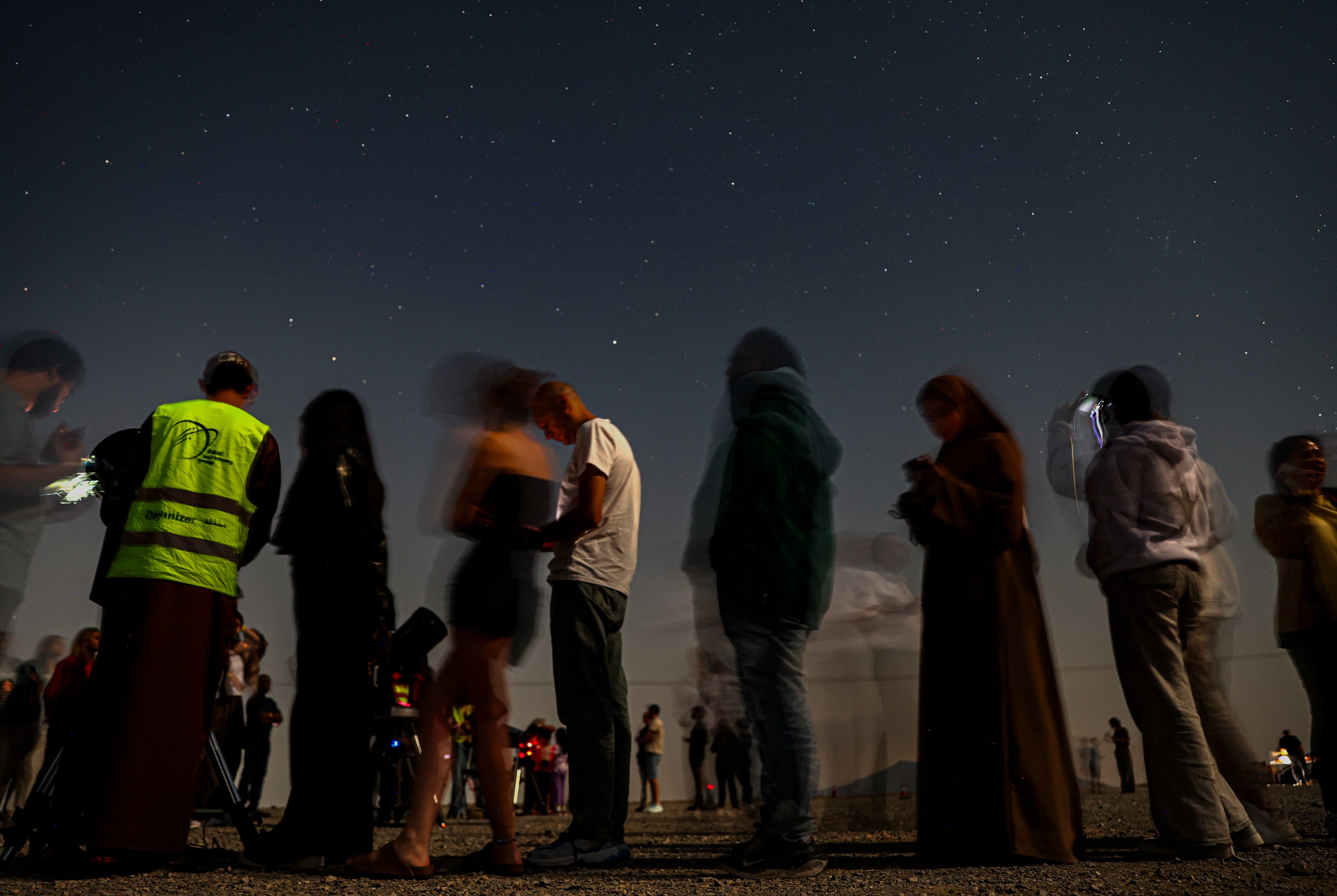
Under ideal conditions, skywatchers may witness over 100 shooting stars per hour. To maximize viewing opportunities, it is recommended to choose a location away from cities and artificial light, as light pollution can obscure the fainter meteors.
This year's Perseid meteor shower could offer particularly favorable viewing conditions due to a new moon, which will not interfere with the celestial show. To optimize viewing, give your eyes around 20 to 30 minutes to adjust to the darkness and look towards the widest unobstructed area of the sky possible. In most of England and Wales, clear skies are expected throughout the night, with only a slight chance of mist.
However, in the far north of England, Northern Ireland, and much of Scotland, intermittent cloud cover and even a few showers may be present. For those in north-west Scotland, an early night might be advisable.
During an eclipse, the sky darkens, offering a brief window to also observe the Perseids simultaneously. However, this will only be possible in areas witnessing a total eclipse, such as Spain, and not in the UK, where only a partial eclipse will be visible. Even in partially eclipsed regions, the chances of seeing a shooting star during the total eclipse are extremely slim.
For safe viewing during a solar eclipse, always use certified solar glasses, as looking directly at the sun without proper eye protection can cause permanent eye damage.
Written by urgent.news from BBC Science's reporting — not their text. Machine-written — may contain errors; check the original before relying on it.
This story
This is one outlet's version. Read the fullest account.