Perseid meteor shower reaches peak: When and where to catch a glimpse
On Wednesday night the Perseids will peak offering the best chance of seeing a 'shooting star'.
The annual Perseid meteor shower is expected to reach its peak on Wednesday night, providing skywatchers with a dazzling display of meteors. However, they will also have the opportunity to witness a partial solar eclipse just a few hours prior. The two events occur in close proximity, making it an exceptional night for stargazing.
Dr Becky Smethurst, an astronomer, described the Perseids as "one of the best nights for astronomy all year." The meteors are caused by debris left behind by the Swift-Tuttle comet, which has a solid core measuring 16 miles in diameter. The comet takes 133 years to orbit the Sun, so some of the meteors could be remnants dating back more than a century.
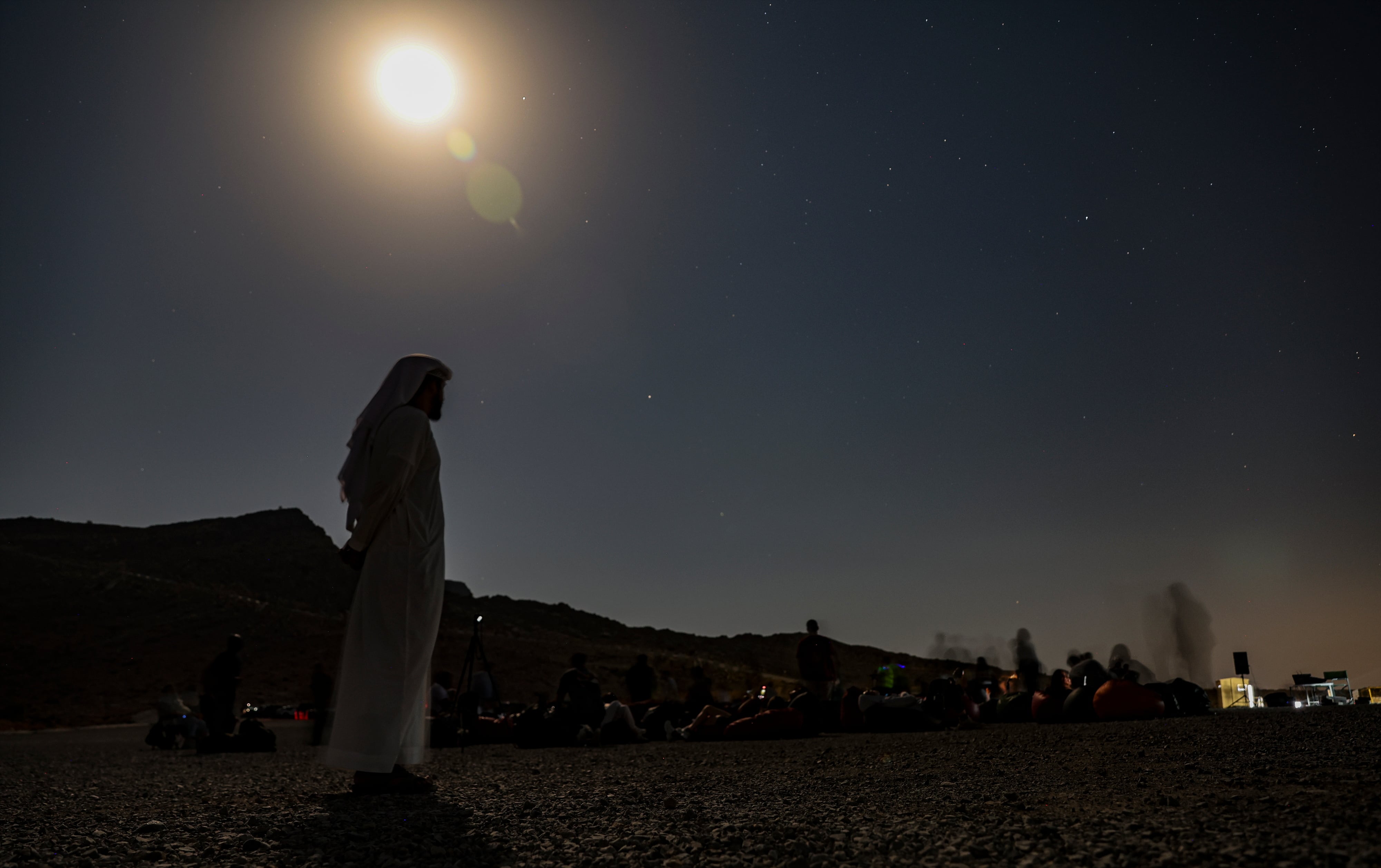
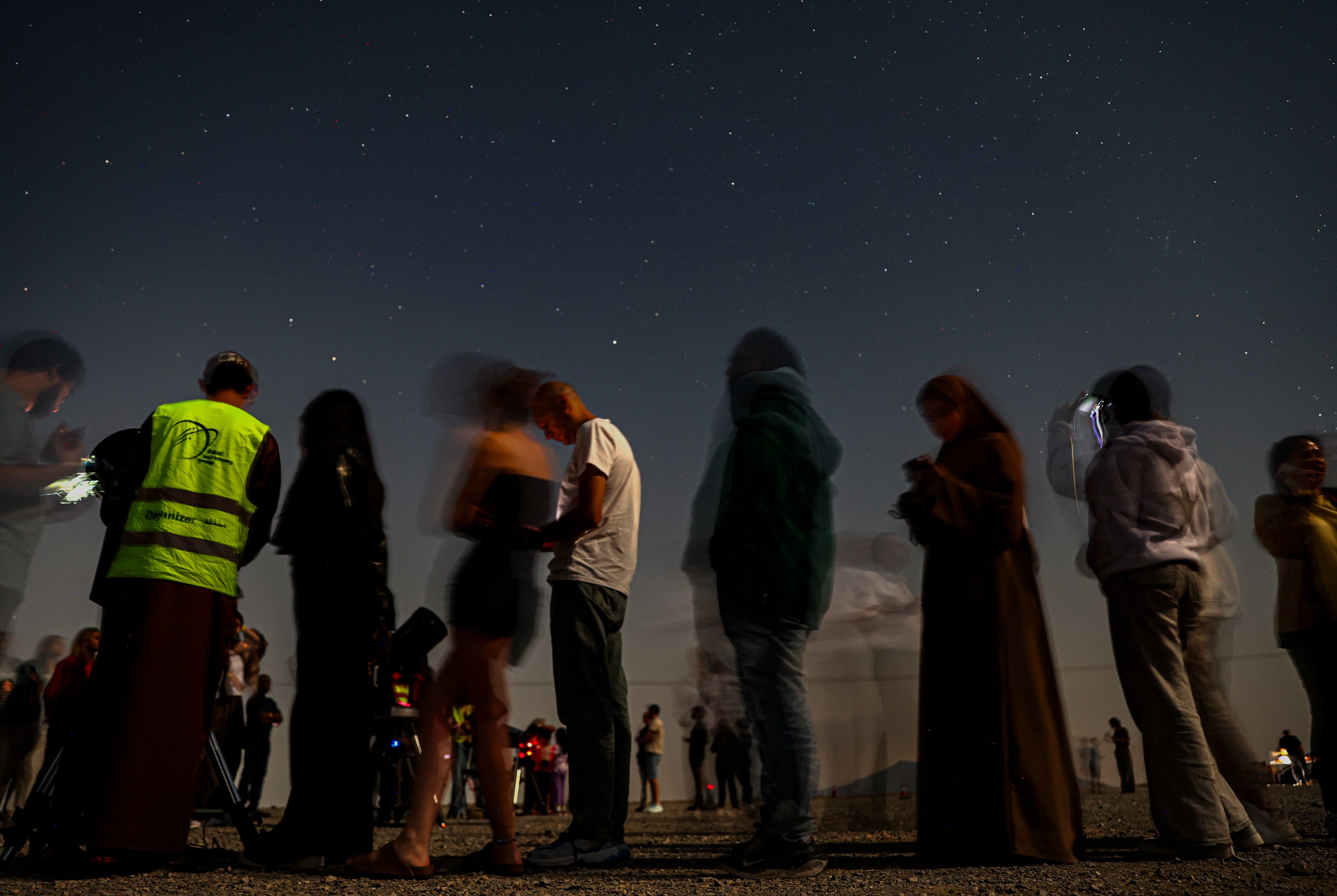
The best time to observe the Perseids is during the early morning hours between midnight and dawn on August 12 and 13, with the potential to see more than 100 shooting stars per hour. For optimal viewing, it is recommended to choose a location away from city lights, as light pollution can obscure fainter meteors. This year, the conditions may be especially favorable due to the absence of a bright moon.
To enhance visibility, give your eyes about 20 to 30 minutes to adjust to the darkness and look towards the widest unobstructed area of the sky possible.
Written by urgent.news from BBC News's reporting — not their text. Machine-written — may contain errors; check the original before relying on it.
This story
This is one outlet's version. Read the fullest account.