Perseid meteor shower to peak over Saudi skies in late August
The Noor Astronomy Association says the Perseid meteor shower will reach its peak over Saudi Arabia and the Northern Hemisphere at the end of August.
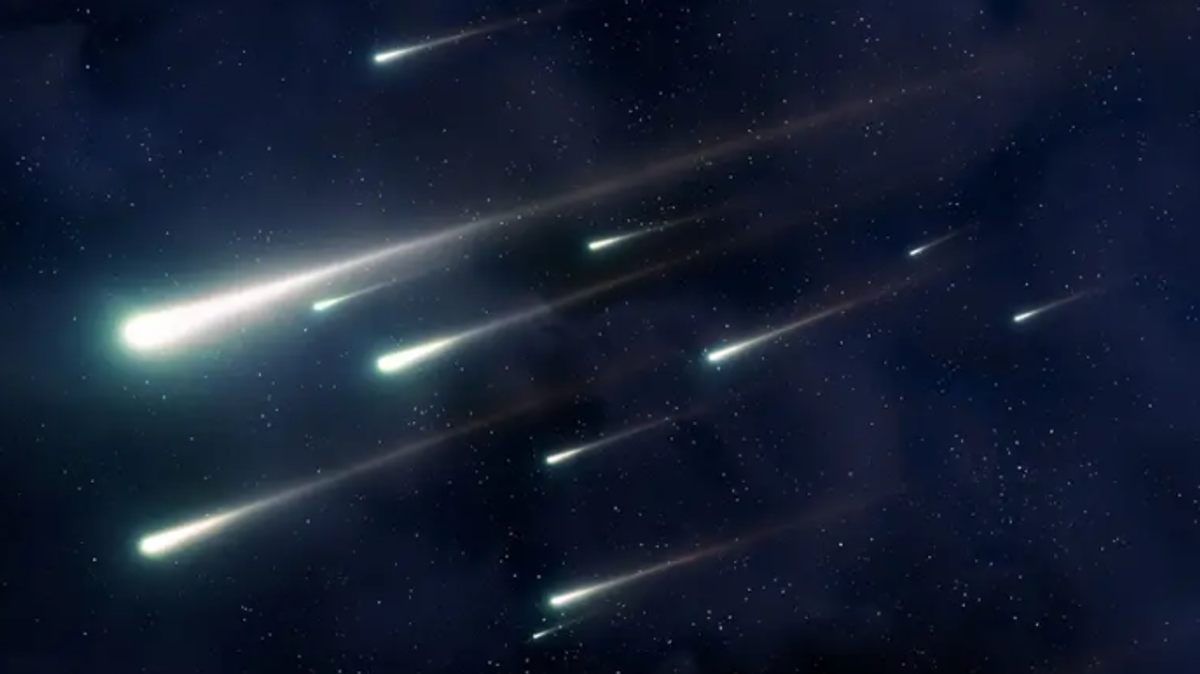
Saudi Arabia and the Northern Hemisphere will experience the peak of the Perseid meteor shower later this month, according to the Noor Astronomy Association. The celestial event is expected to reach its climax on the evening of August 28, around 29 Safar, with continued activity until dawn on the following day. The Perseids are renowned for their prolific display, making them one of the most sought-after meteor showers annually.
The shower originates when Earth encounters the trail of debris left behind by comet Swift-Tuttle as it orbits the sun. As these particles, often smaller than a grain of sand, enter Earth's atmosphere, they burn up at speeds of approximately 212,000 kilometers per hour, producing bright, fiery meteors visible to the naked eye. The association's president, Issa Al-Ghufaili, emphasized that the meteors are not typically caused by large debris but rather by these tiny, high-speed particles.
He noted that the shower's name, Perseids, stems from the apparent radiant point of the meteors in the constellation Perseus, also known as the Head of the Gorgon in Arabic. Al-Ghufaili advised that observers should scan a broad section of the sky rather than fixate on a single point to maximize their chances of witnessing these spectacular celestial events.
The ideal viewing conditions this year are expected to be favorable, as the peak of the Perseids coincides with the end of the Hijri month, reducing moonlight interference and offering darker skies that enhance the visibility of faint meteors.
Written by urgent.news from Ajel English's reporting — not their text. Machine-written — may contain errors; check the original before relying on it.