Low water: Trade association wants more long trucks for less traffic congestion
The German retail sector is warning of bottlenecks due to extreme low water levels in rivers. The HDE chairman is therefore calling for so-called long trucks to be used in regular operations from now on.
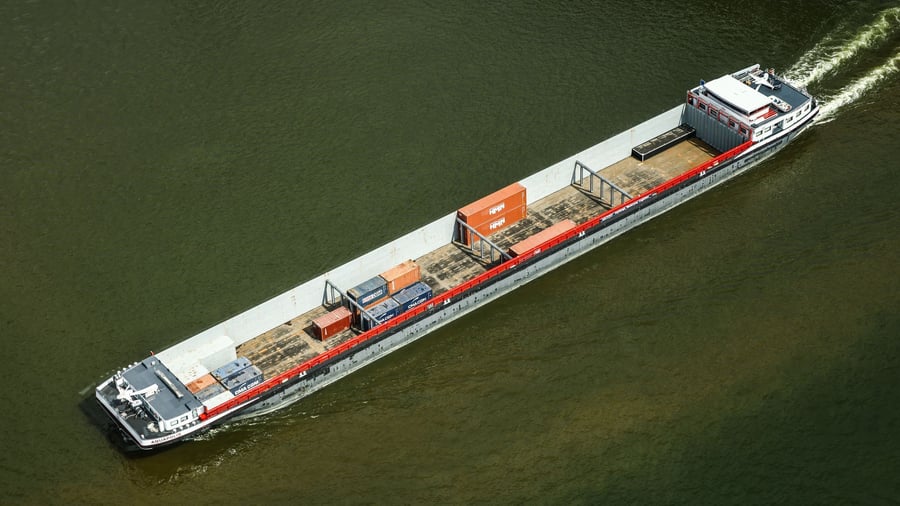
In view of the low water levels on numerous rivers in Germany, the retail sector is warning of impending bottlenecks. "The retail sector relies on functioning logistics across the entire country," said Stefan Genth, the chief executive of the industry association HDE, to the Reuters news agency on Sunday. Although only very few goods destined for the retail sector are transported by ship, bottlenecks could arise if ships switch to trucks and trains, "which would then also affect the retail sector."
Due to the lack of precipitation and high temperatures, the water levels, for example on the Rhine, have fallen to record-low values, which is why cargo ships can only transport a fraction of their possible load.
The Handelsverband Deutschland (HDE) is therefore calling for all possibilities to be exploited. It is now high time for the Federal Ministry for Economic Affairs to permanently permit so-called long trucks and for the permissible traffic network to be expanded, Genth demanded. Two longer units of the so-called long truck can replace up to three conventional truck units and thus reduce both energy and personnel usage as well as CO2 emissions by up to 25 percent.
"The long trucks only travel on long-distance roads and therefore do not interfere with urban traffic in any way," Genth said. The goods would then be further distributed from large logistics centers with smaller vehicles. The HDE states that the special permit for long trucks, which is always limited in time, has been extended.
However, the association is calling for a transition to regular operations. "The companies need planning and investment security," Genth said. The years of trial operation have shown that long trucks reduce traffic congestion. The companies can only continue to expand their operations if they can be sure that they will be allowed to use these vehicles permanently.
"The current situation makes it clear that we need this means of transport," said HDE chief executive Genth.
Translated by urgent.news. Machine-written — may contain errors; check the original before relying on it.