Where are the protests when it comes to water?
Protests aren't taken as seriously as they should because they're short-term addresses of long-term problems
It seems that education protests have become short-term, with little follow-through to ensure sustained improvement. Once free higher education was granted, many students did not continue to advocate for enhanced systems or address underlying issues, such as the national debt or job market conditions. This pattern is also seen in other protest movements, which do not persist beyond their initial demands.
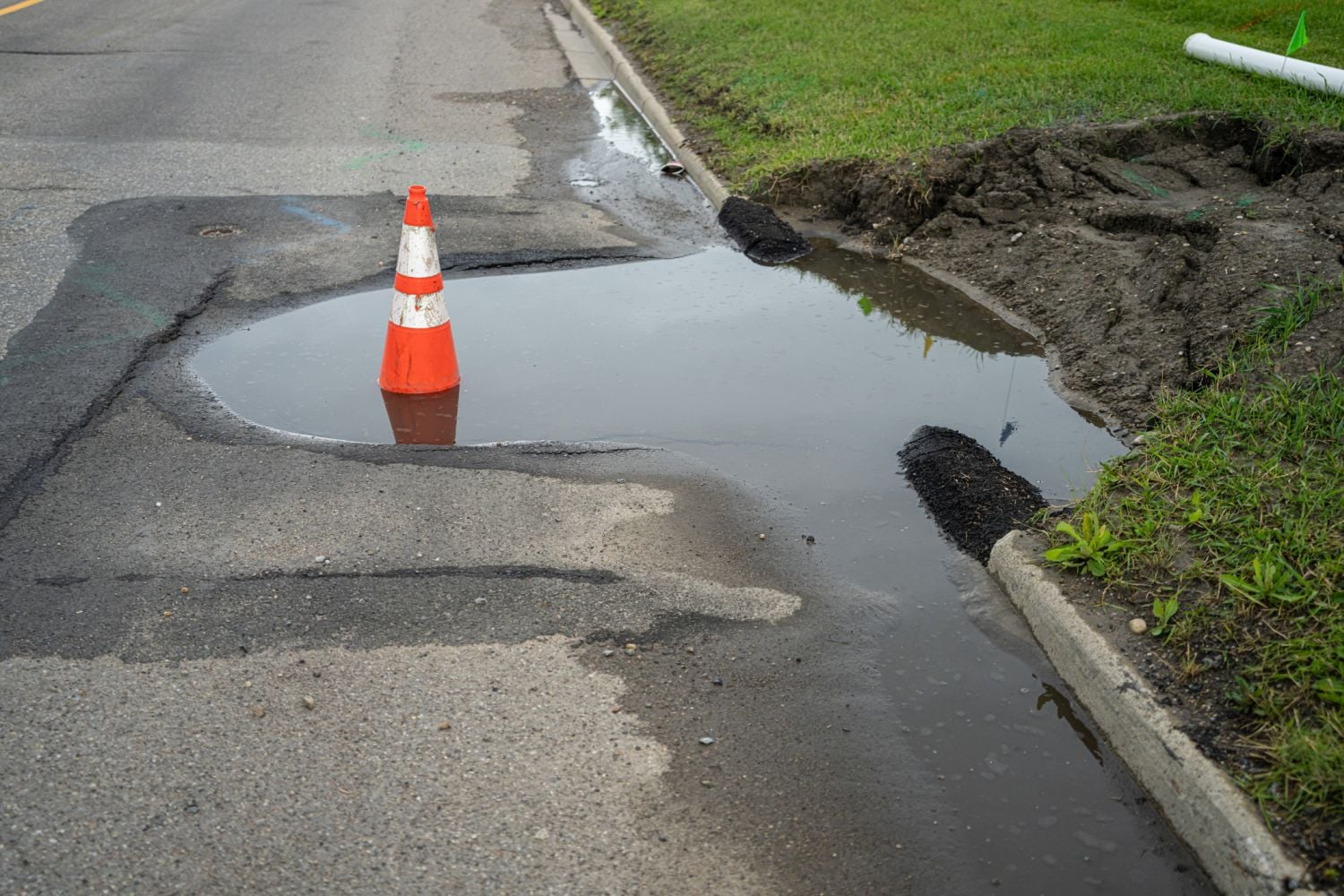
The lack of accountability is highlighted by water tankers filling potholes without clear purpose or oversight. If the state were directly responsible for providing water, there might be greater transparency and reason to expect better service delivery. Protests often address immediate problems rather than systemic issues, leading to repetitive actions without significant progress.
Contractors employed for city services often face uncertainty, which can be attributed to a lack of internal resources. This dependency on external contractors raises questions about the city's own capacity to address maintenance issues. If protests are to make a meaningful impact, they must focus on long-term solutions rather than temporary victories. The cycle of protests seems to perpetuate itself, with little resolution being achieved.
Written by urgent.news from The Citizen's reporting — not their text. Machine-written — may contain errors; check the original before relying on it.