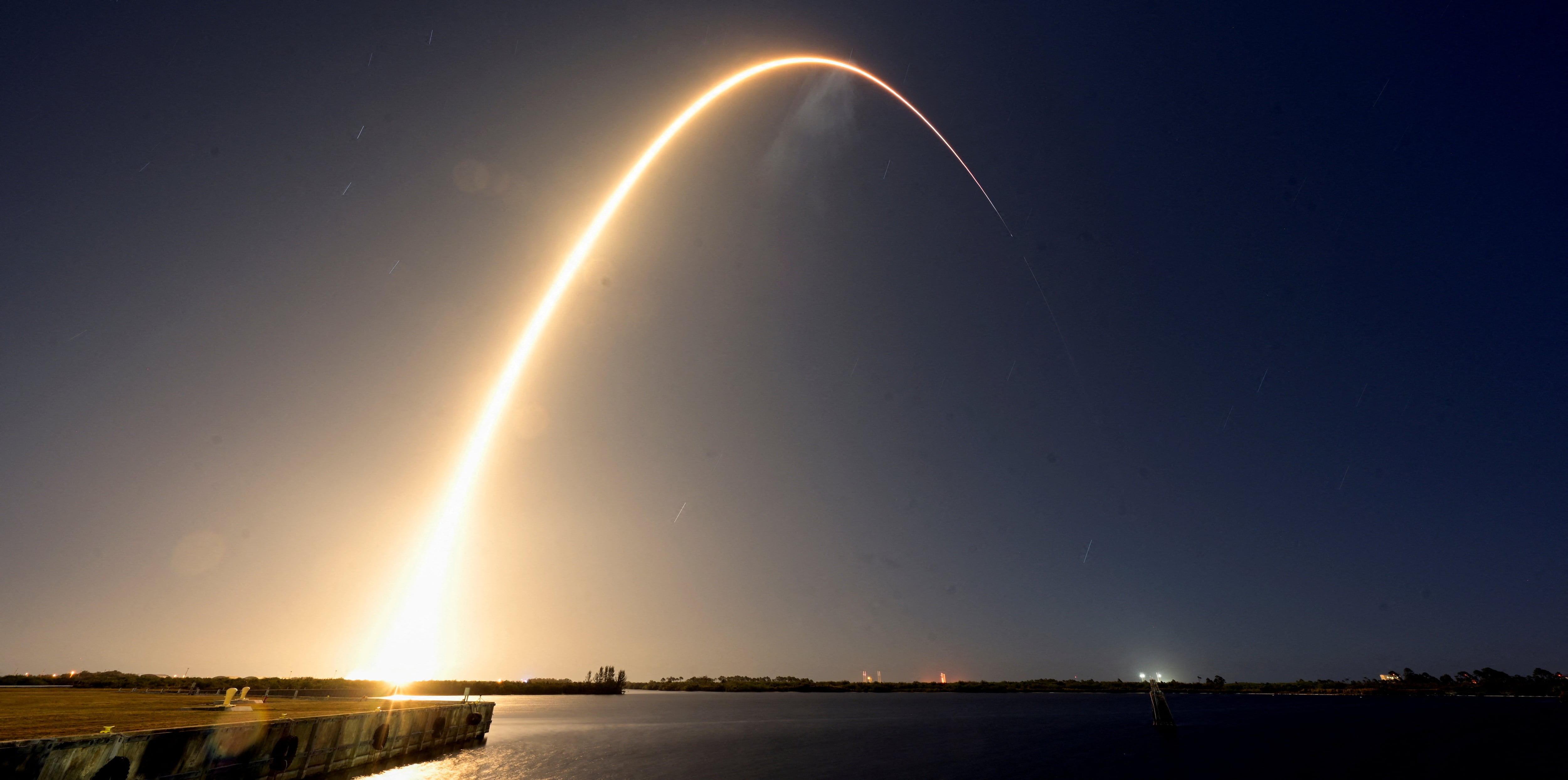
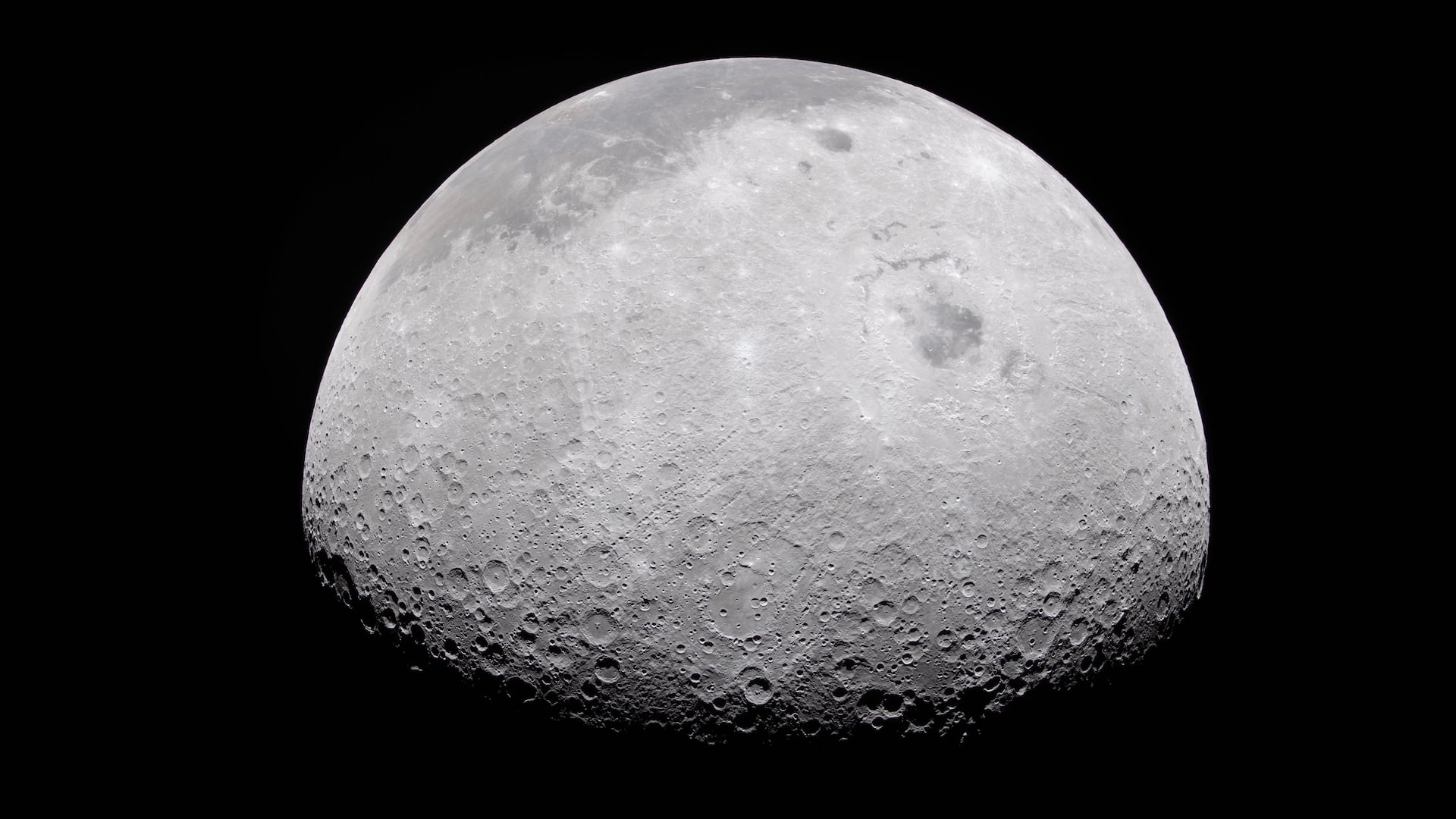
What can scientists learn from a stray SpaceX rocket hitting the Moon?
While the collision was an accident, it is a unique scientific gift for planetary geologists that could provide important data for future space missions.
A discarded Falcon 9 rocket segment from SpaceX is believed to have collided with the Moon near the Einstein crater, offering scientists a unique research opportunity. The upper stage of the rocket, weighing around 4,000kg and measuring about five storeys high, was traveling at approximately 5,400mph (8,700km/h) when it struck the lunar surface on Wednesday.
Despite the fleeting flash, the event is expected to provide valuable insights into lunar geology and impact dynamics. Data collection may take several days or weeks due to the complexity of analyzing the information. This accidental collision presents a rare, controlled experiment for planetary scientists, enabling them to test their models of crater formation and lunar interior responses.
The incident highlights the growing concern over space debris accumulating around our planet and the Moon over the past half-century. Prior crashes, some intentional and others accidental, have contributed to our understanding of lunar geology and the Earth-Moon system's formation.
Written by urgent.news from BBC Science's reporting — not their text. Machine-written — may contain errors; check the original before relying on it.
This story
This is one outlet's version. Read the fullest account.
- SpaceX rocket stage believed to have slammed into the moon phys.org
- A SpaceX rocket will hit the moon at 5,000 mph tonight. Experts explain what you could see, and when. livescience.com
- Elon Musk says SpaceX data centers will crush competitors because having rocket scientists is like the Yankees ‘playing a little league team’ fortune.com
- SpaceX rocket stage believed to have slammed into Moon, NASA to collect data euronews.com
- A SpaceX rocket will crash into the moon this week. Why is it on a collision course? space.com
- SpaceX rocket set to crash into the moon at seven times the speed of sound — but the 5,400 mph impact is entirely expected, and might even prove useful for NASA techradar.com
- Why haven't we seen images of SpaceX Moon crash yet? bbc.co.uk
- A SpaceX rocket is about to hit the moon—these videos show what could happen scientificamerican.com