A SpaceX rocket is about to hit the moon—these videos show what could happen
Astronomers’ simulations predict what this lunar impact—and its aftermath—will look like
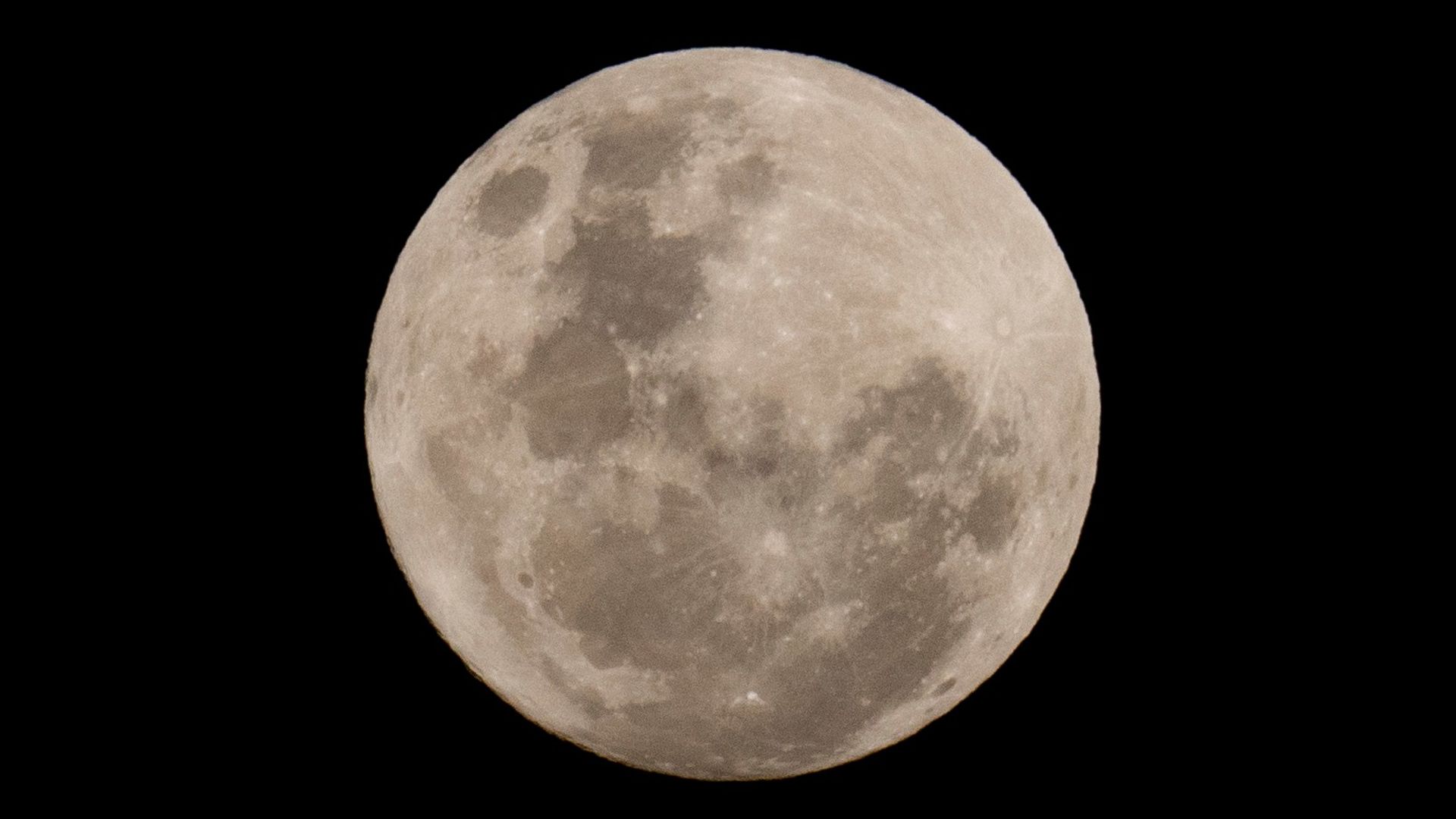
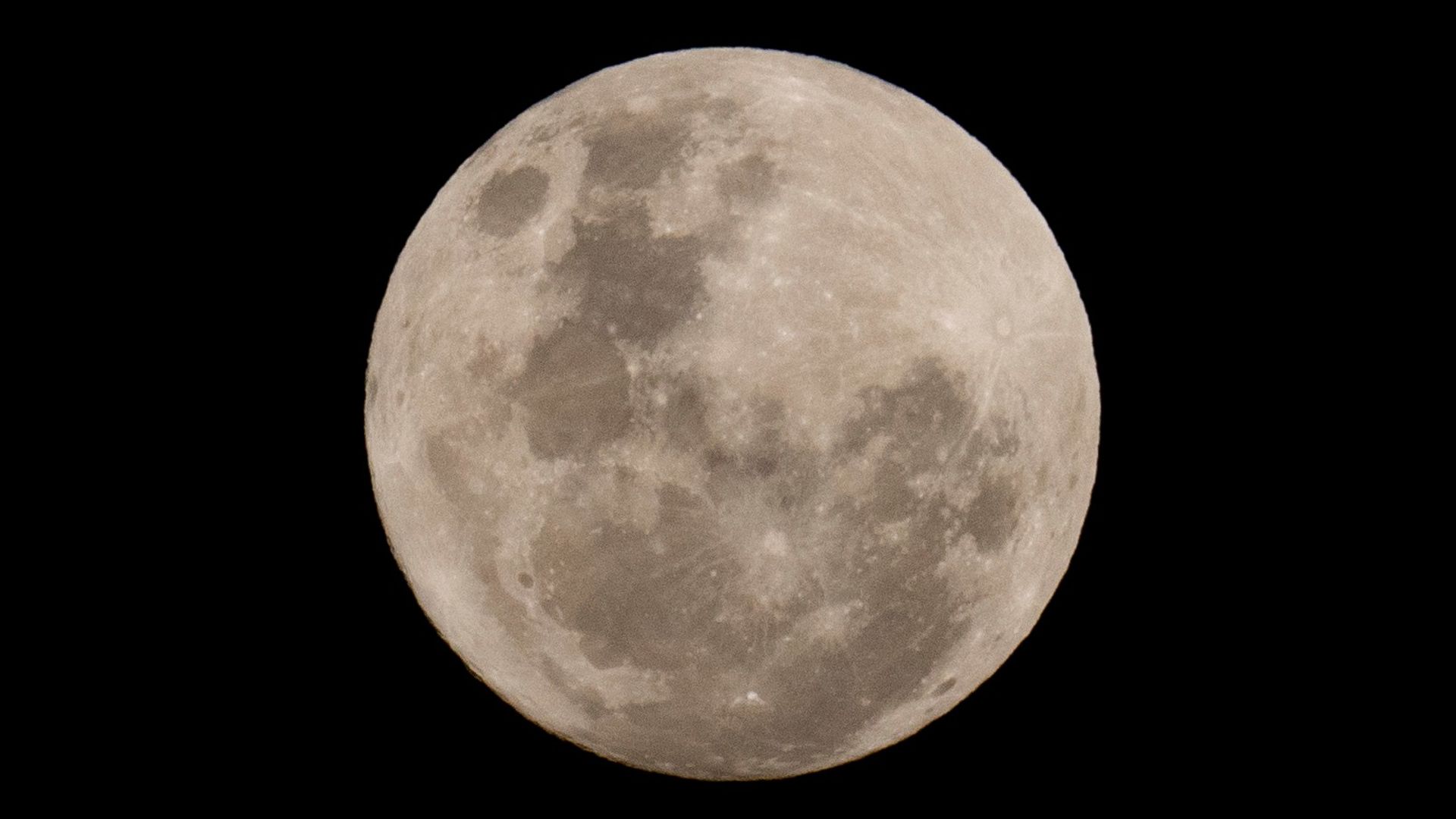
A SpaceX rocket is on track to collide with the moon, according to simulations provided by astronomers. The object in question is the upper stage of a Falcon 9 rocket, which was launched in January 2025 to transport two lunar landers. After its initial mission, the upper stage entered into an orbit similar to the moon's distance from Earth, leading to its eventual collision.
Amateur astronomer Bill Gray first spotted the rogue rocket and estimates its impact will occur at approximately 2:35 a.m. Eastern Time on Wednesday, August 5. The crash is expected to occur near the Einstein Crater on the sunlit side of the moon. While the impact itself might be difficult to observe, the ensuing plume of ejected material could become visible minutes after the collision.
Astronomers warn that detecting the impact flash will be challenging due to the chosen location on the moon's sunlit hemisphere, where no artificial or natural impact flashes have been recorded before. As more space junk from launches continues to orbit Earth, tracking these objects and their potential impacts on the moon will become increasingly important, especially with the development of permanent lunar bases by space agencies.
Written by urgent.news from Scientific American's reporting — not their text. Machine-written — may contain errors; check the original before relying on it.
This story
This is one outlet's version. Read the fullest account.
- SpaceX rocket stage believed to have slammed into the moon phys.org
- A SpaceX rocket will hit the moon at 5,000 mph tonight. Experts explain what you could see, and when. livescience.com
- Elon Musk says SpaceX data centers will crush competitors because having rocket scientists is like the Yankees ‘playing a little league team’ fortune.com
- SpaceX rocket stage believed to have slammed into Moon, NASA to collect data euronews.com
- A SpaceX rocket will crash into the moon this week. Why is it on a collision course? space.com
- SpaceX rocket set to crash into the moon at seven times the speed of sound — but the 5,400 mph impact is entirely expected, and might even prove useful for NASA techradar.com
- Why haven't we seen images of SpaceX Moon crash yet? bbc.co.uk