A SpaceX rocket will crash into the moon this week. Why is it on a collision course?
The upper stage of a SpaceX Falcon 9 rocket will slam into the moon early Wednesday morning (Aug. 5). Here's what put it on this kamikaze course.
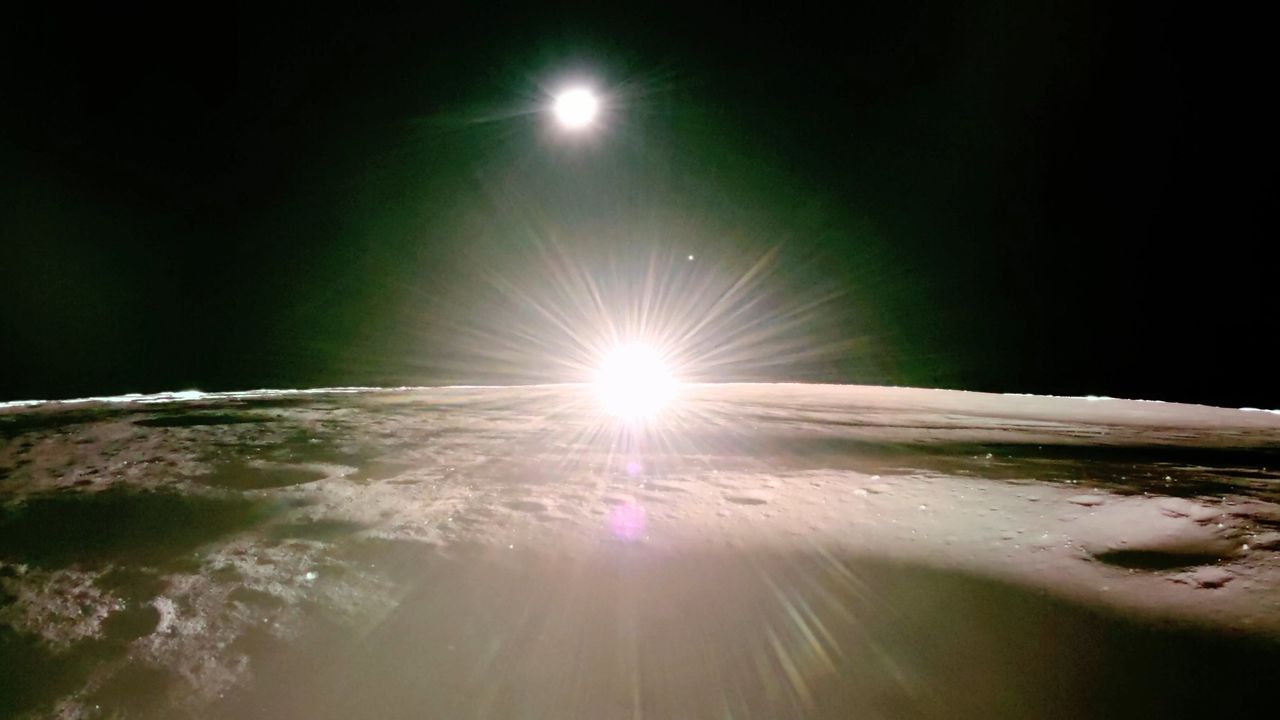
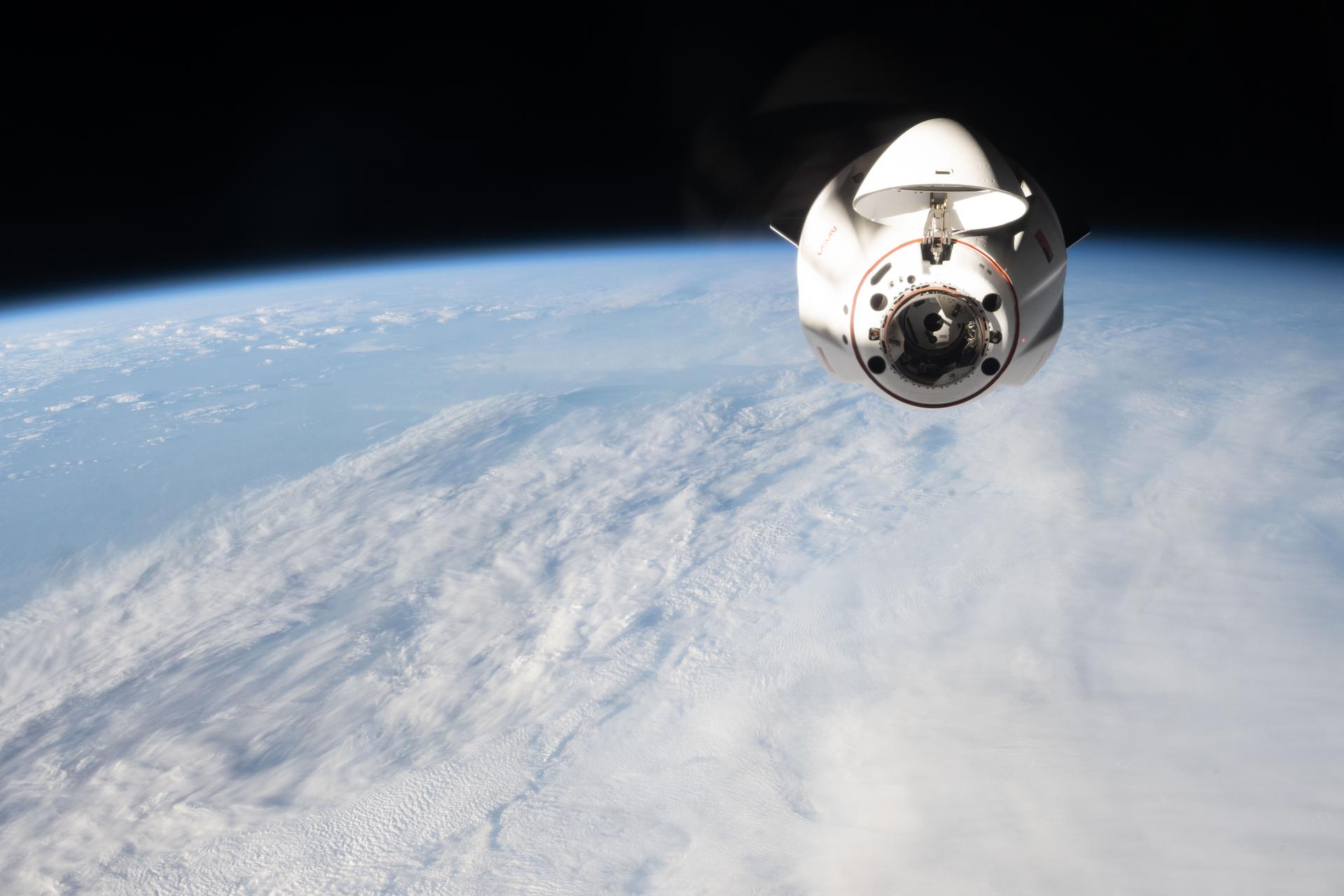
On Wednesday, August 5th at 2:35 a.m. EDT, the upper stage of a SpaceX Falcon 9 rocket will collide with the moon, forming a 89-foot-wide crater. This event follows more than 18 months of the rocket drifting lazily above Earth before finally being propelled towards the lunar surface. The Falcon 9, which launched in January 2025 carrying private lunar landers, usually incinerates its upper stage during reentry, but the stage's fuel was depleted during the lunar mission, leaving the 8,800-pound rocket body adrift in a moon-crossing orbit.
While SpaceX attempted to modify the stage's trajectory to prevent the collision, natural forces ultimately altered its path. Astronomers and lunar scientists view this collision as an opportunity to study the resulting ejecta plume and better understand space debris hazards for future lunar infrastructure and astronauts. NASA plans to establish a base near the moon's south pole in the coming decade as part of its Artemis program.
Written by urgent.news from Space.com's reporting — not their text. Machine-written — may contain errors; check the original before relying on it.
Also reported by 7 other outlets
- SpaceX rocket stage believed to have slammed into the moon phys.org
- A SpaceX rocket will hit the moon at 5,000 mph tonight. Experts explain what you could see, and when. livescience.com
- Elon Musk says SpaceX data centers will crush competitors because having rocket scientists is like the Yankees ‘playing a little league team’ fortune.com
- SpaceX rocket stage believed to have slammed into Moon, NASA to collect data euronews.com
- SpaceX rocket set to crash into the moon at seven times the speed of sound — but the 5,400 mph impact is entirely expected, and might even prove useful for NASA techradar.com
- Why haven't we seen images of SpaceX Moon crash yet? bbc.co.uk
- A SpaceX rocket is about to hit the moon—these videos show what could happen scientificamerican.com