SpaceX rocket part 'size of school bus' believed to have crashed into Moon
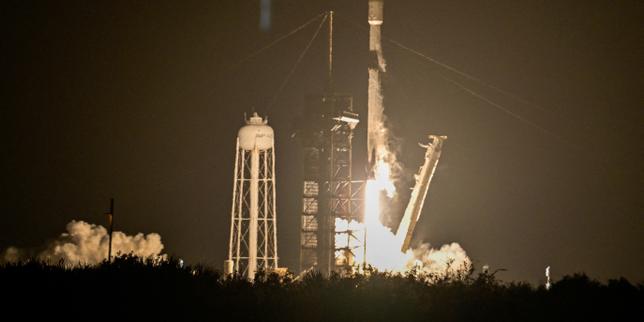
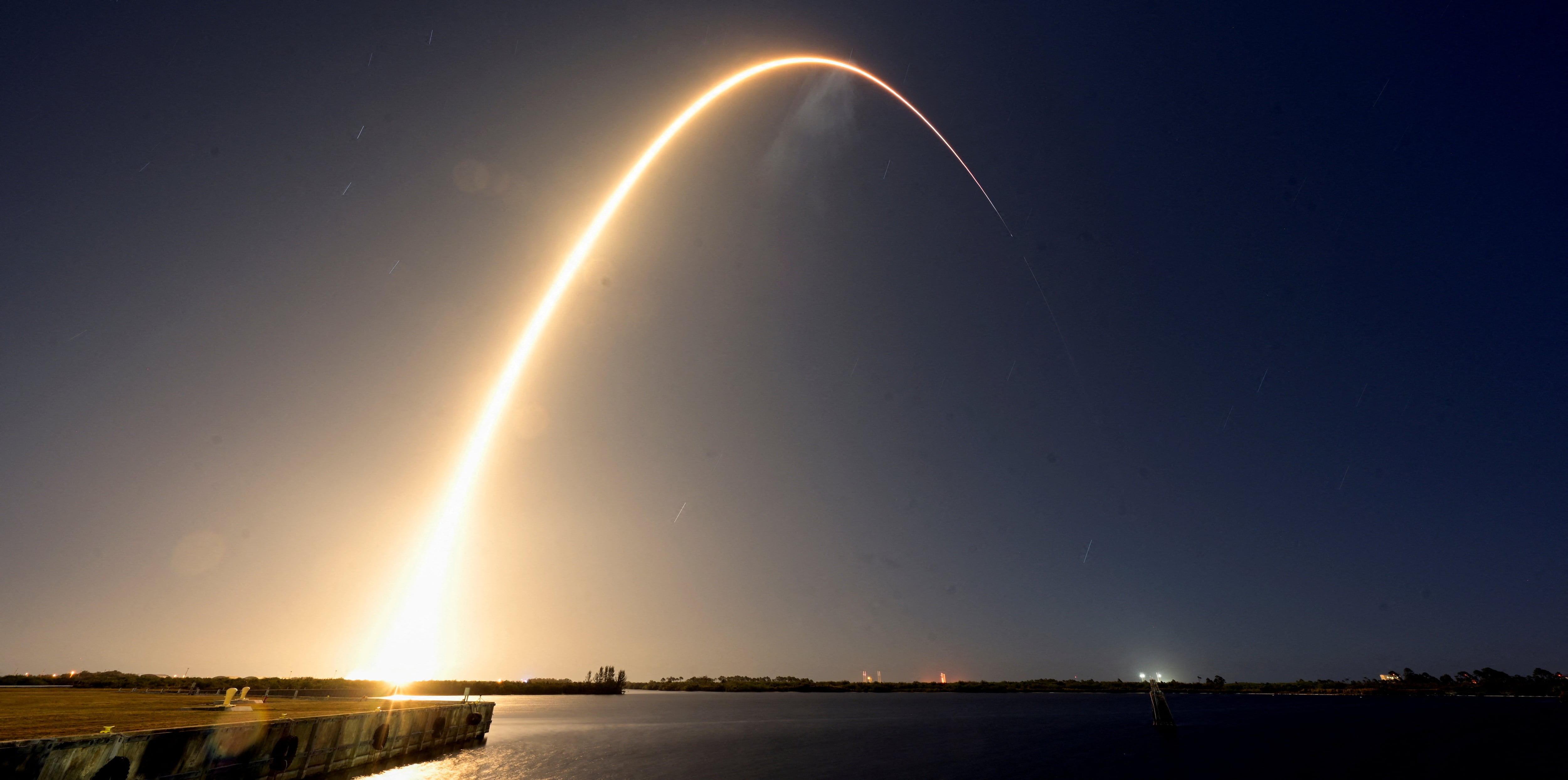
A piece of a SpaceX rocket that had been floating in space since last year is believed to have smashed into the Moon at high speed early on Wednesday, though the impact is unlikely to be confirmed for at least several hours. The object, the size of a school bus, was the second stage of a SpaceX Falcon 9 rocket that launched a lunar lander from Firefly Aerospace towards the Moon in January 2025.…
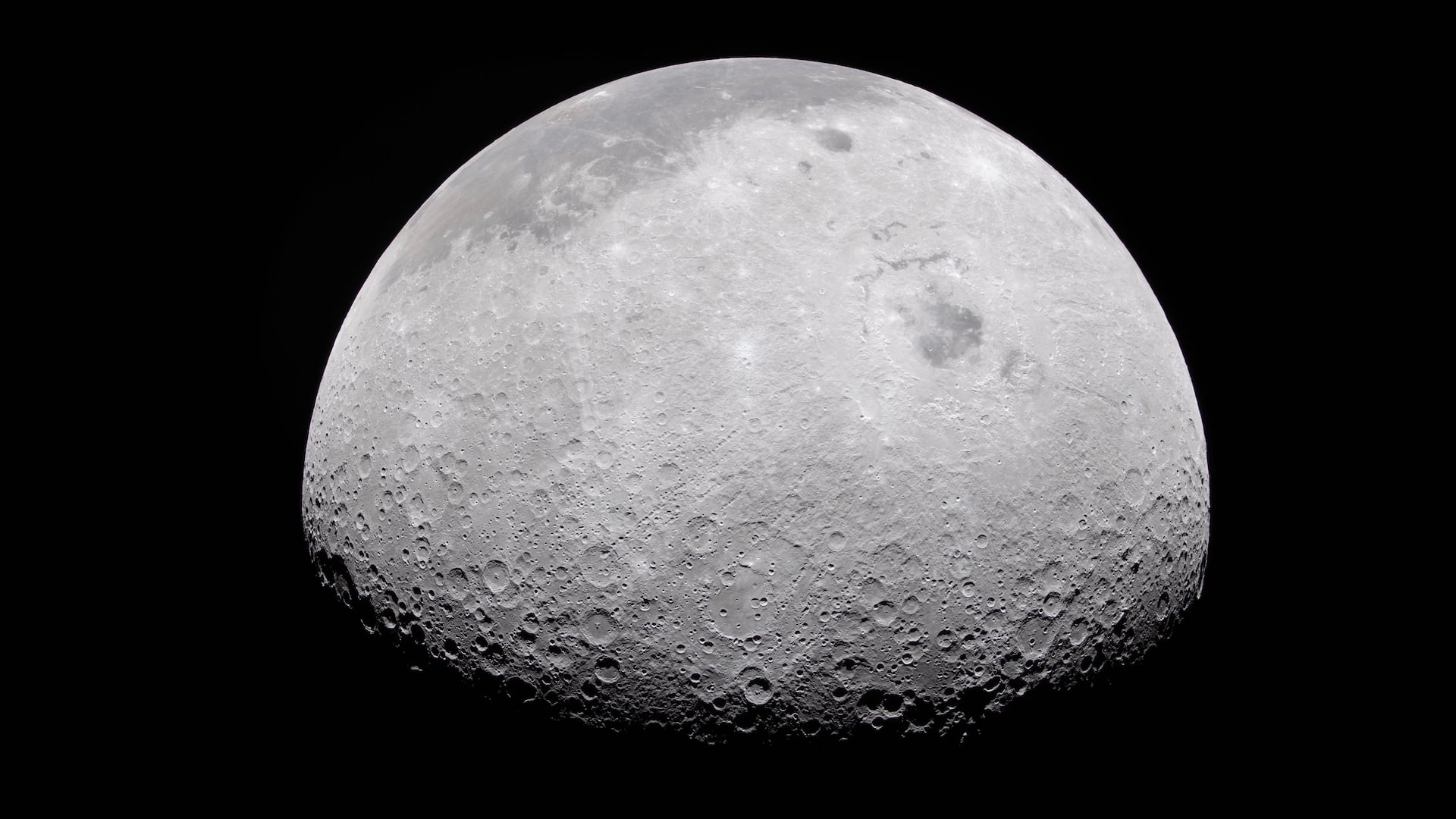
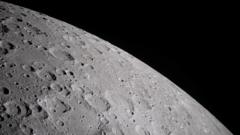
A sizable piece of a SpaceX Falcon 9 rocket, weighing four tonnes, is believed to have struck the Moon on Wednesday, though confirmation may take hours. The impact occurred at approximately 10.35am UAE time, with the object traveling at a speed of 8,690kph. The second stage of the rocket, which had been floating in space since January 2025, was expected to hit Einstein Crater on the Moon's western limb, a region often challenging to observe from Earth.
While space agencies typically aim to burn up or sink these stages into oceans after launching payloads, this particular piece remained in space due to its increased thrust requirement. Astronomers only recently discovered that the rocket stage was on a trajectory leading towards the Moon, a development attributed to a mix of solar activity and gravitational forces.
According to Julianna Scheiman, SpaceX's director of NASA science and Dragon programmes, the incident may offer minor scientific insights. Bill Gray, an astronomy software creator, noted in a report published in April that the event is unlikely to pose any danger to anyone, but it does underscore the issue of carelessness in managing leftover space hardware.
The crash is not unique; other lunar missions have met similar fates. China's rocket stage crashed into the Moon in March 2022, while NASA intentionally crashed a stage in 2009 to study the resulting plume. Several spacecraft intended to softly land on the Moon have crashed instead, including Russia's Luna-25 in 2023, India's Chandrayaan-2 lander in 2019, and Israel's Beresheet lander that same year.
Both NASA and SpaceX are currently exploring methods to prevent such lunar crashes, as the US space agency aims to establish a lunar base and send regular astronaut missions to the lunar surface in the coming decade under its Artemis programme.
Written by urgent.news from The National UAE's reporting — not their text. Machine-written — may contain errors; check the original before relying on it.