SpaceX's Moon Crash May Trigger Lunar Quake: What It Means for Surface
NASA is observing the impact of the Moon crash using ground-based telescopes and space-based assets.
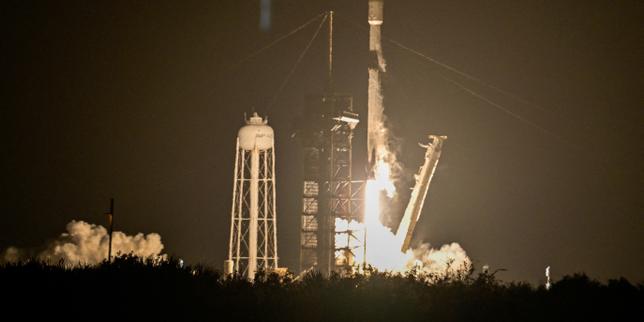
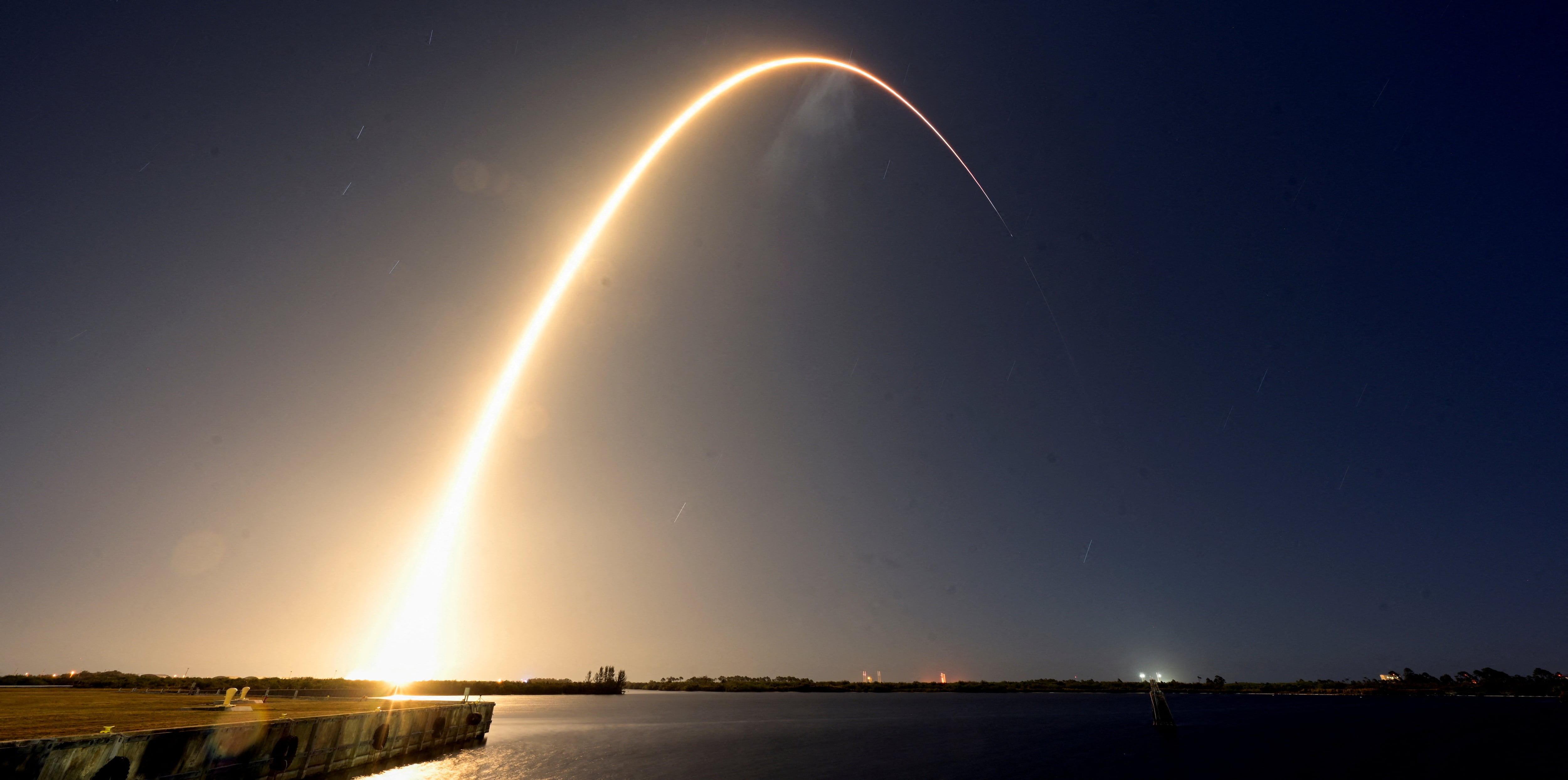
On Wednesday, a piece of a SpaceX Falcon 9 rocket drifted through space since its January 2025 launch and collided with the Moon, traveling at approximately 5,400 mph. The rocket stage, originally used to transport lunar landers, was later left in orbit before being nudged out of its path by gravitational forces and solar activity.
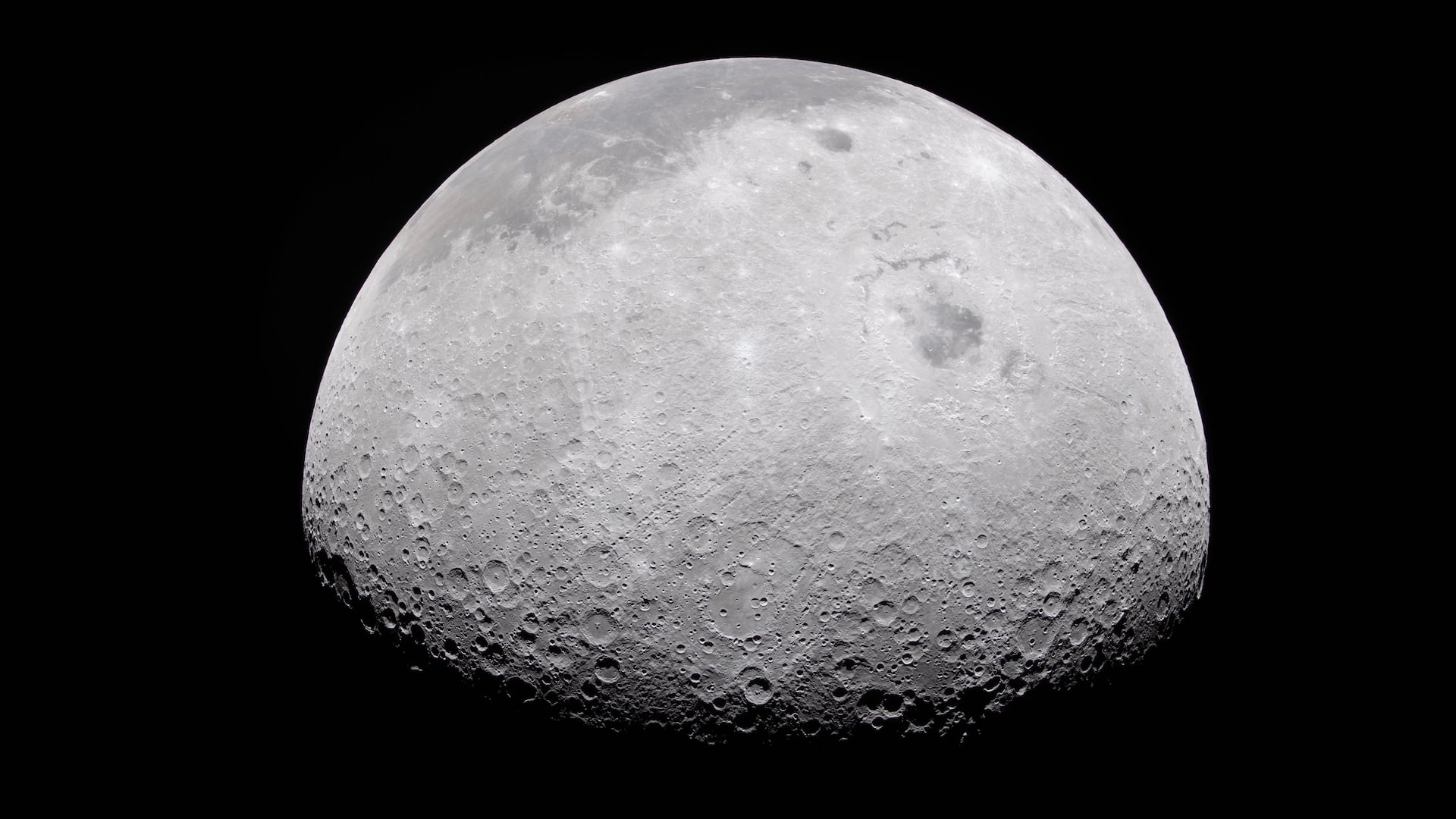
While the collision might seem dramatic, scientists anticipate the impact to create a crater around 60 feet wide and 12 feet deep, ejecting a plume of lunar dust and rock. However, NASA believes the event poses no threat to Earth or the Moon itself, and is not expected to significantly alter the lunar surface. NASA intends to gather data from the impact and search for the newly formed crater and any ejected material.
The scientific interest in the collision echoes the Apollo era, where NASA deliberately crashed items into the Moon after completing their missions. Though the impact will likely generate a moonquake, there are currently no seismometers on the Moon to record it.
Written by urgent.news from Newsweek's reporting — not their text. Machine-written — may contain errors; check the original before relying on it.