Science — Daily briefing
Saturday, 10 October 2026
12 stories · 11 sources
No grouped briefing was written for this day. These are its stories, most widely covered first.

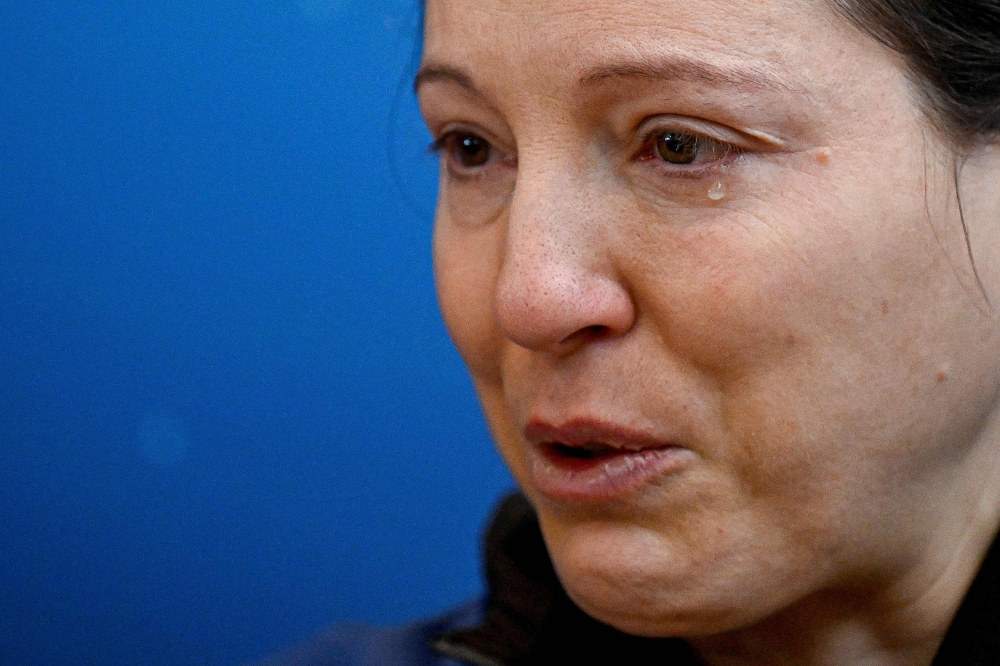
‘No divisions, no borders’: French astronaut Sophie Adenot on seeing Earth from space
COLOGNE, Oct 10 — French astronaut Sophie Adenot went through “all human emotions, from the most joyful to t...
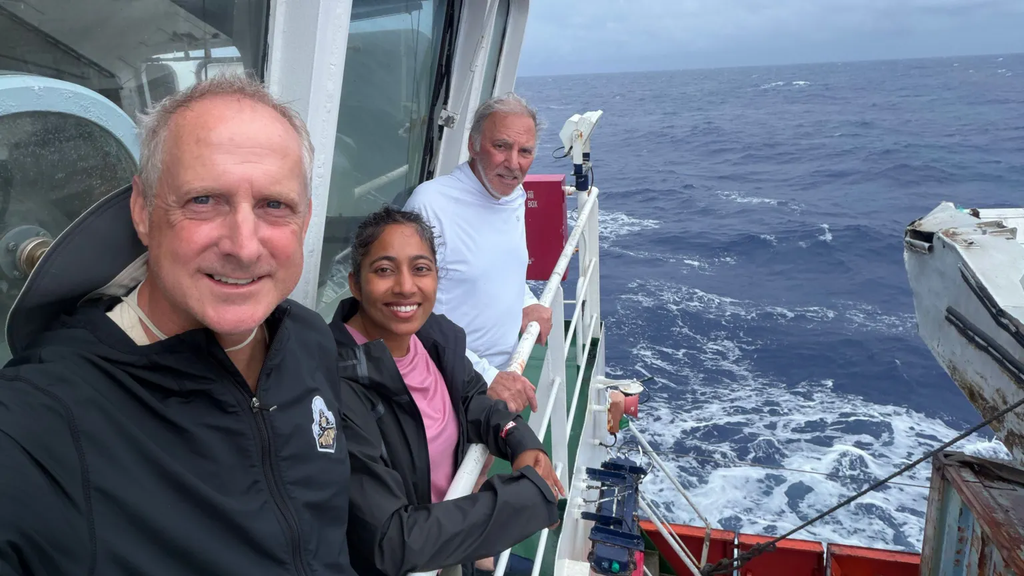
Expedition hopes to find aviator Amelia Earhart’s plane on remote island
A team of researchers are on their way to a remote island to inspect what they think could be the wreckage of famed aviator Amelia Earhart's plane.
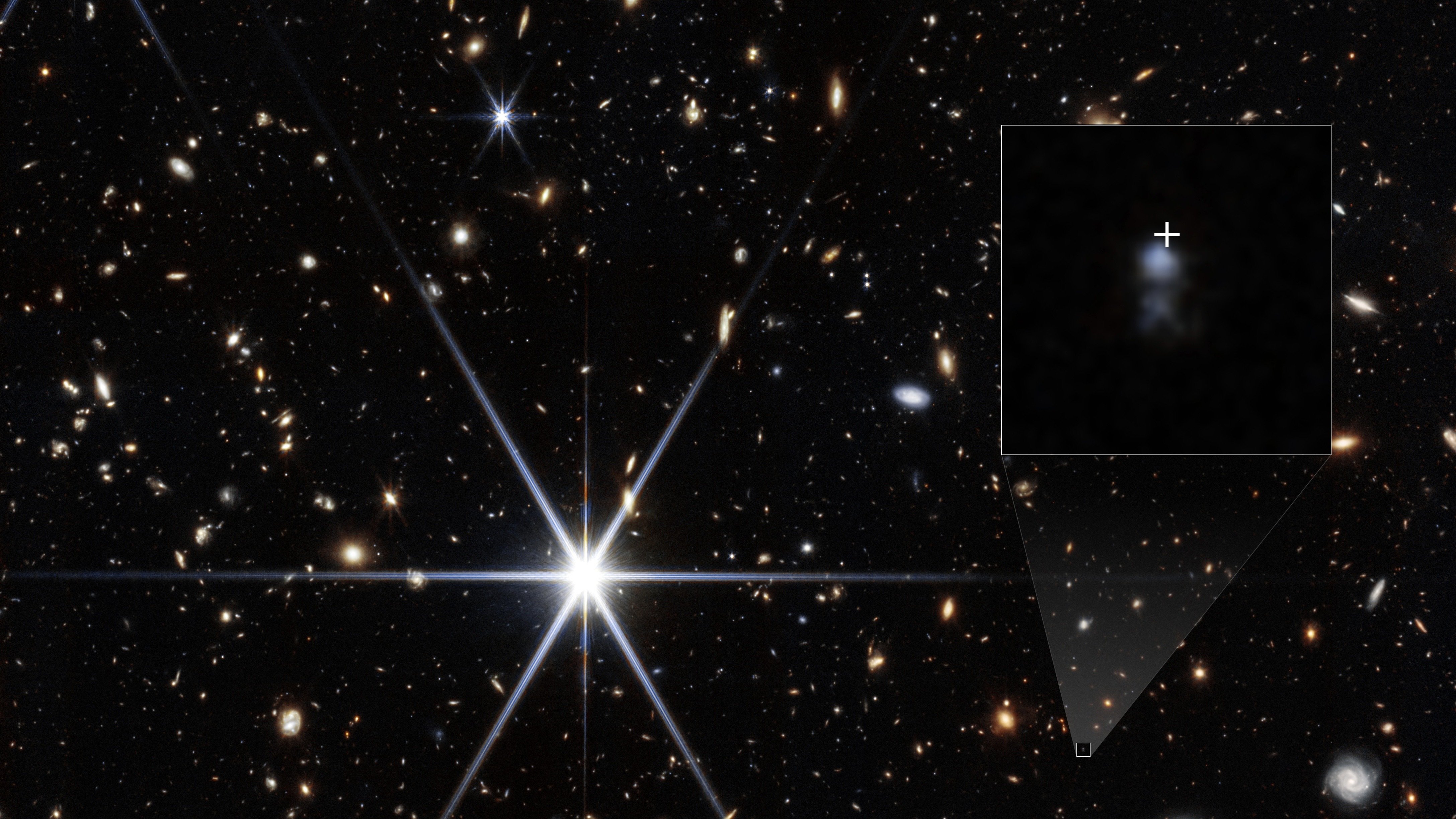
A starquake 10 billion years ago may have just sent a flash to Earth
NASA's James Webb Space Telescope traces the farthest fast radio burst yet, and its galaxy reveals a clue to what causes them.
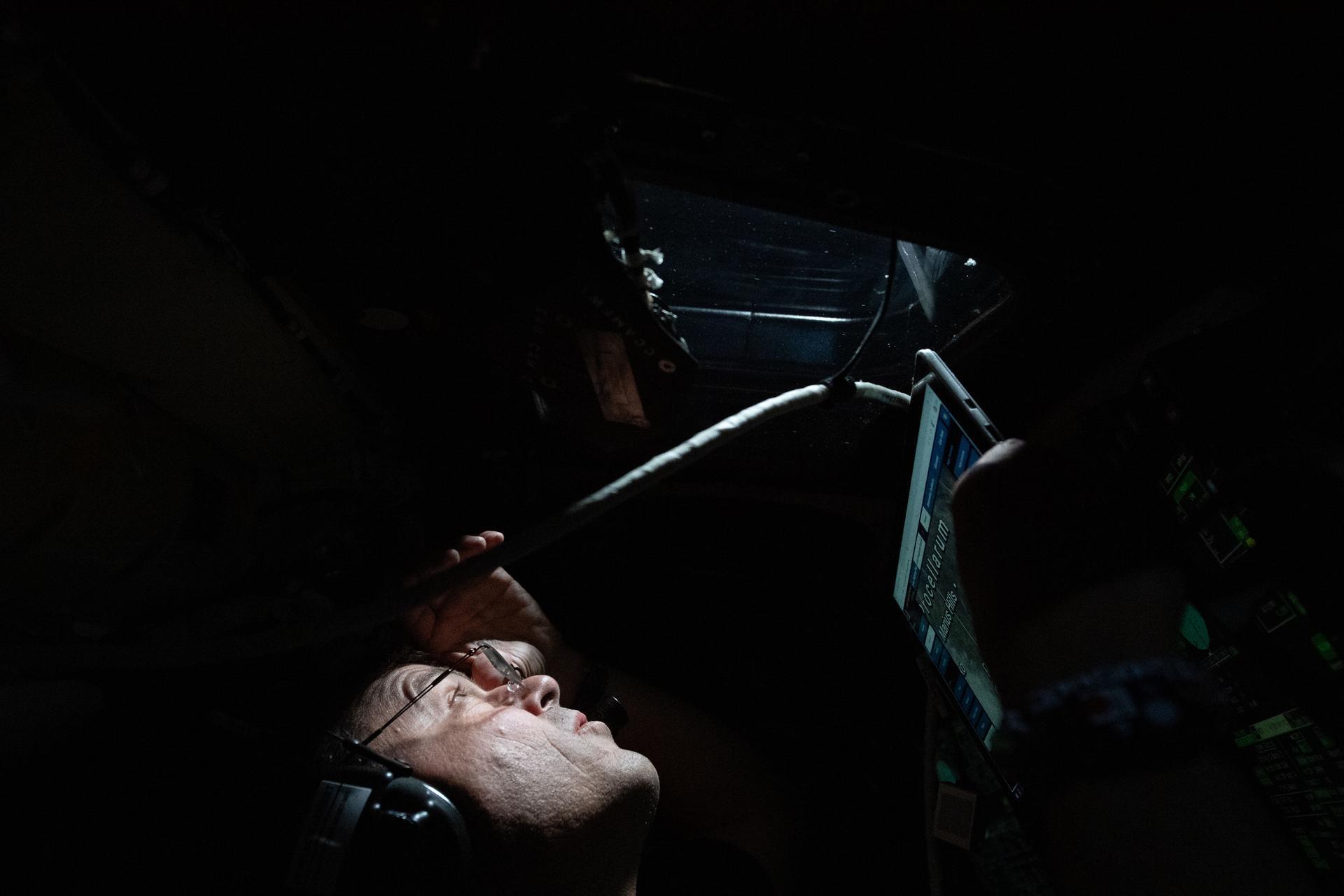
Artemis II crew witnessed meteor flashes on the moon with their own eyes
NASA's Artemis II astronauts spotted meteor impact flashes on the moon's dark side, likely the faintest ever seen by human eyes.

High cognitive ability in women predicts workplace victimization
Highly intelligent women often face a hidden social penalty in the workplace. A new study reveals that female employees with high cognitive ability are perceived as more hostile, leading to fewer supportive interactions with their colleagues.

Paternity Leave Is More Than a Perk. It Builds a Baby’s Brain
Paternity leave and a father’s engagement during infancy is associated with better cognitive, social, and emotional regulation outcomes for the child, writes Alvin Thomas.
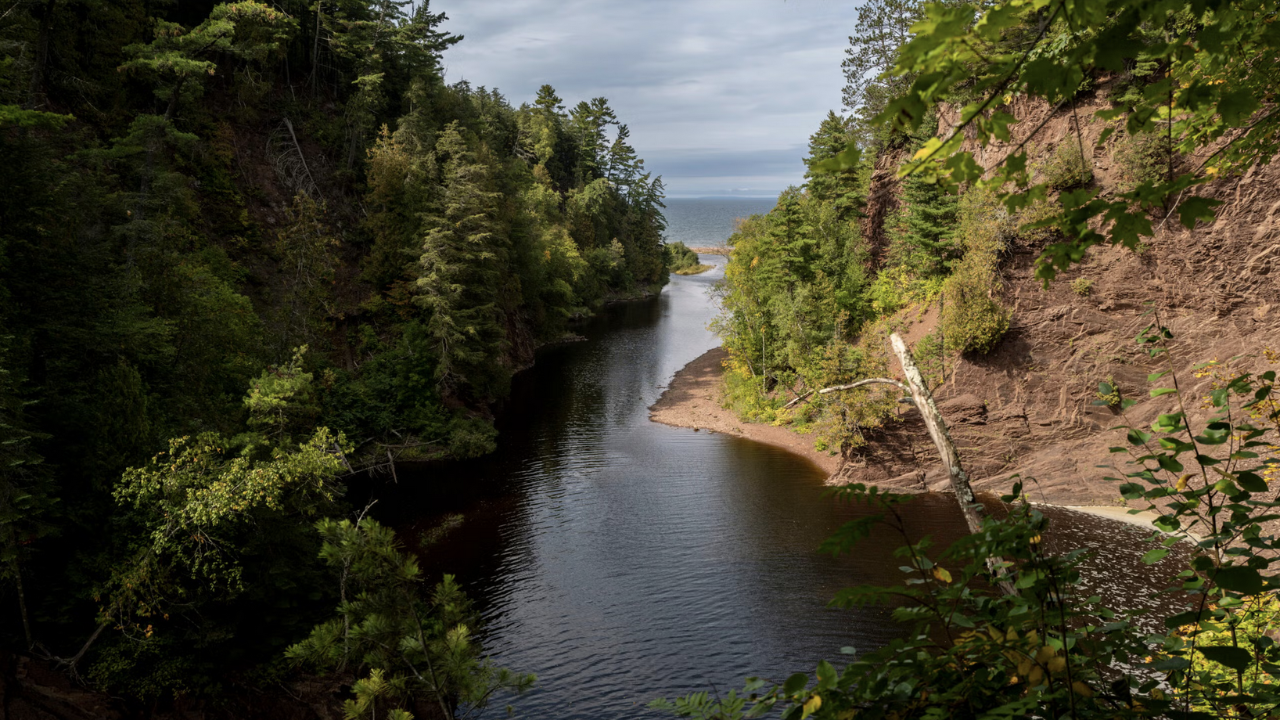
Wisconsin protects over 1,700 Lake Superior acres, restores wetlands and habitat
Wisconsin's Lake Superior shoreline has witnessed a transformative conservation effort, safeguarding over 1,700 acres through collaboration between the US Fish and Wildlife Service and Landmark Conservancy. By utilizing conservation easements, the project enabled landowners to retain property rights while preserving vital habitats.
Iwendi Recognised Among Top 2% Scientists In Latest Stanford University–Elsevier Global Scientist Database
Oluchi Chibuzor Prof. Celestine Iwendi has been recognised among the world’s Top 2% Scientists in the latest Stanford University–Elsevier global scientist database, marking his sixth consecutive year…

Ultraviolet laser pulses engineer diamond defects selectively, leaving quantum qubits intact
When we think about a diamond, we often think about a material whose value comes from its perfection. In my research, however, I am interested in something almost opposite: the tiny imperfections…
Crocodiles in Puerto Vallarta Safety Guide
This guide explains where crocodiles live around Puerto Vallarta, what the purple beach flags mean and what to do if you meet one.
Label-free identification of bacterial species using adapted vision transformers
Antibiotic resistance is an increasingly serious problem worldwide. Identifying the bacterial species can help guide antibiotic selection and improve patient outcomes. In sepsis, where every minute counts, rapid identification is particularly important, and new approaches are needed.