Wisconsin protects over 1,700 Lake Superior acres, restores wetlands and habitat
Wisconsin's Lake Superior shoreline has witnessed a transformative conservation effort, safeguarding over 1,700 acres through collaboration between the US Fish and Wildlife Service and Landmark Conservancy. By utilizing conservation easements, the project enabled landowners to retain property rights while preserving vital habitats. Key activities included the planting of conifers and the…
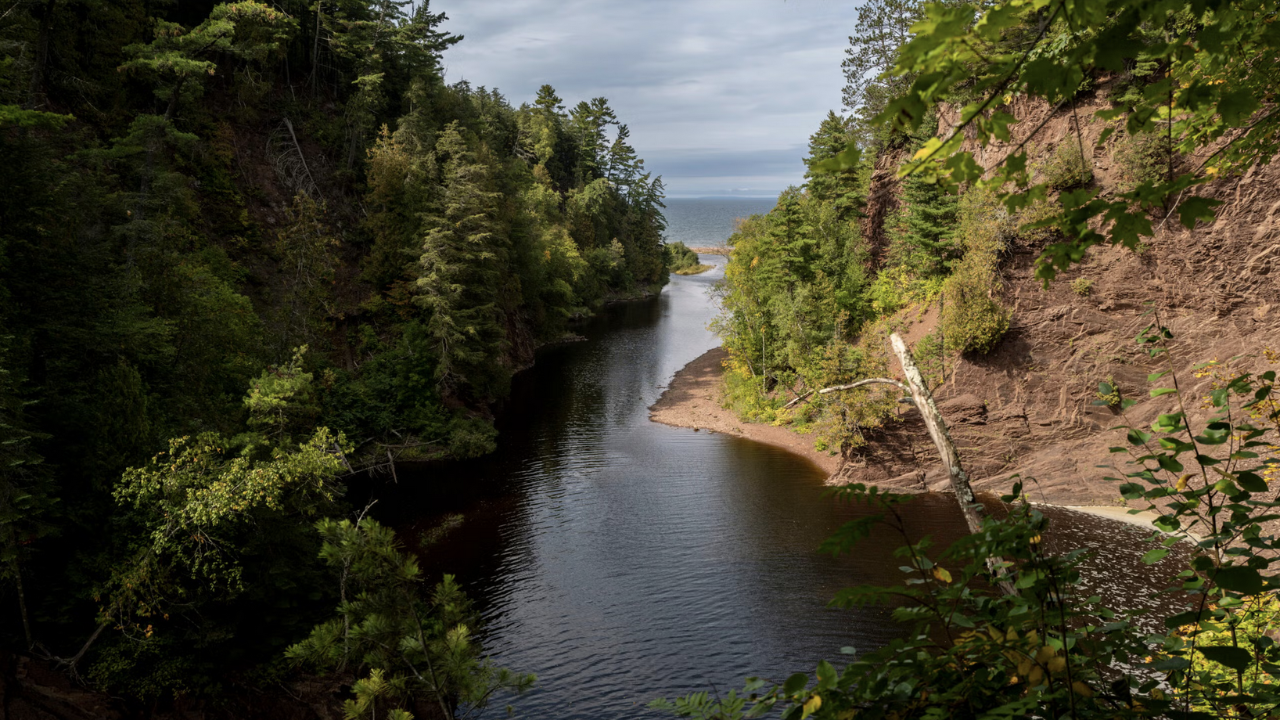
A multi-year conservation effort along Wisconsin's Lake Superior shoreline has safeguarded over 1,700 acres of land, restored wetlands, and enhanced habitats for fish, migratory birds, and wildlife. Collaborating on this initiative were the US Fish and Wildlife Service and Landmark Conservancy, a nonprofit based in Menomonie, Wisconsin.
The project, funded by federal grants and the Great Lakes Restoration Initiative, targeted protected connected natural areas along Lake Superior's southern coast. The goal was to preserve healthy forests, wetlands, and streams while safeguarding the watersheds that feed into Lake Superior.
Northern Wisconsin's rivers and streams nourish the Lake Superior ecosystem through a blend of forests, wetlands, and cold-water tributaries. Biologists refer to this region as the south shore streams area, emphasizing the importance of its preservation. Landmark Conservancy engaged landowners in the watersheds of Whittlesey Creek, Iron River, Marengo River, Pokegama River, and White River to identify conservation opportunities within these areas.
The project adopted conservation easements as a key strategy. These agreements permit landowners to retain ownership while preventing certain types of future development, thus safeguarding connected habitats across properties. Beyond land protection, Landmark Conservancy conducted restoration work in community forests. This involved planting conifers in forested wetlands, restoring habitat with native plants, and treating 25 acres for invasive species.
Invasive plants can alter local ecosystems and hinder native vegetation, making treatment essential for restoring healthy plant communities.
The cooperative partnership between the US Fish and Wildlife Service's Coastal Program and local landowners was vital to the project's success. Landowners helped identify conservation areas and understood how protecting natural spaces could bolster the Great Lakes region's resilience. The US Fish and Wildlife Service's Coastal Program played a central role in funding and supporting this multi-year endeavor.
Selected as part of the Great Lakes Restoration Initiative's Action Plan IV, this conservation project exemplifies how federal financial aid, local knowledge, and voluntary conservation can collaborate to achieve shared goals. The Great Lakes Restoration Initiative, led by the US Environmental Protection Agency and involving numerous federal agencies, tackles critical environmental challenges affecting the Great Lakes.
Looking ahead, the protected areas are anticipated to sustain wildlife habitats, maintain connections between natural lands, and uphold the health of local watersheds. Moreover, the relationships forged between landowners and conservation partners may pave the way for future conservation efforts. This project contributes to a broader mission to protect the Great Lakes, which nourish wildlife and communities reliant on the region for drinking water and recreation.
Rewritten by urgent.news; may contain errors — check the original.
Source: timesofindia.indiatimes.com