Crocodiles in Puerto Vallarta Safety Guide
This guide explains where crocodiles live around Puerto Vallarta, what the purple beach flags mean and what to do if you meet one. The post Crocodiles in Puerto Vallarta Safety Guide appeared first on The Rio Times .
Crocodiles inhabit estuaries, river mouths, and golf-course ponds near Puerto Vallarta’s beaches, putting them close to the popular tourist area. In June 2026, a fatal crocodile attack occurred, leading to a joint committee of federal and state officials to address the issue. This safety guide provides information on where crocodiles are located, the meaning of beach flags, and what actions to take if you encounter one.
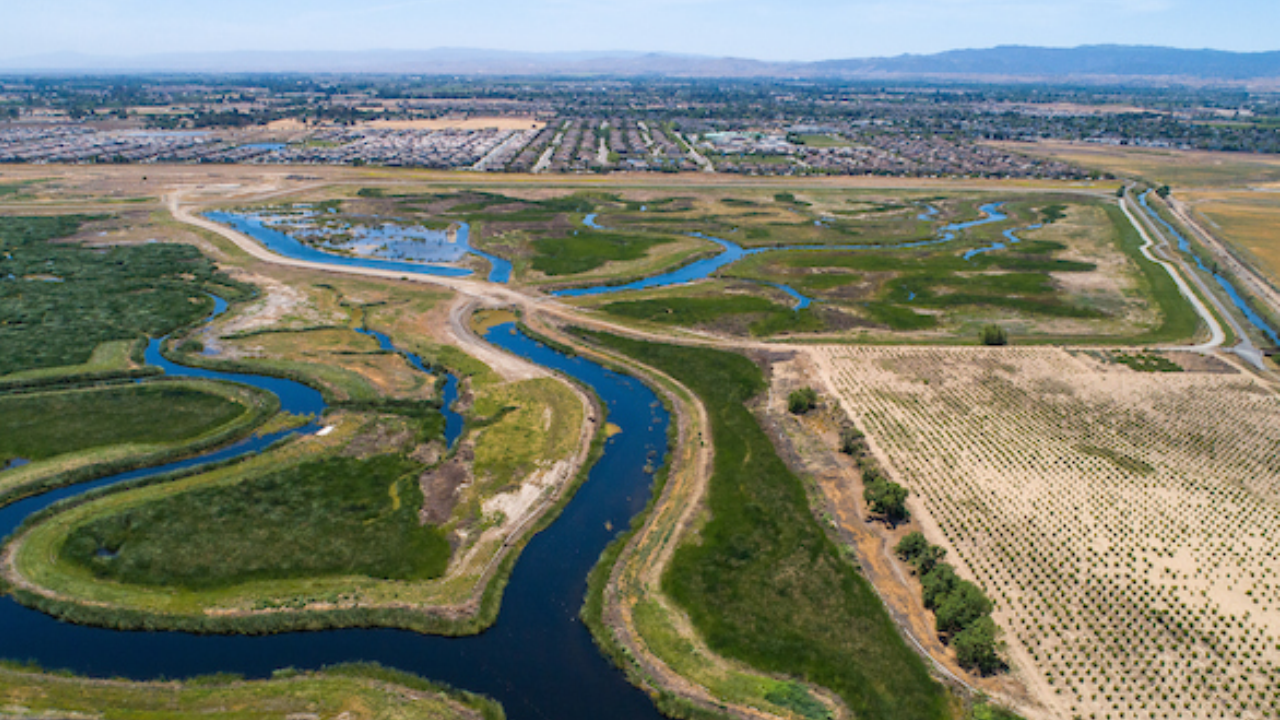
The American crocodile, or "cocodrilo de río," primarily lives in rivers, estuaries, mangroves, and wetlands along Mexico’s Pacific coast. In Puerto Vallarta, these habitats are near the resort strip.
Three estuaries and two lagoons along the coast now share space with the marina, airport, golf courses, hotels, and housing. In Marina Vallarta, residents consider crocodiles in golf-course ponds as normal, as they typically travel between estuaries, rivers, and the sea. Jalisco’s environment ministry, SEMADET, noted an increase in crocodile sightings due to habitat loss from building projects, such as the airport and marina, rather than population growth.
A fatal incident in June 2026 involved a 28-year-old hotel guest on Boca Negra beach in Marina Vallarta who was dragged out to sea by a crocodile. The victim's body was recovered the next day, marking the first human death from a crocodile attack in the bay. Since 1990, 41 incidents of crocodile attacks have been recorded in Banderas Bay, with 61 deaths nationally. Most sightings occur at dusk or night when crocodiles need to move between habitats due to shrinking estuaries.
On June 26, 2026, the crocodile that attacked the hotel guest was captured by civil protection officials on the beach in front of Boca Negra estuary. Lifeguards at Puerto Vallarta’s civil protection and fire service raise colored flags on beaches: red means no entry into the water, while a purple flag warns of dangerous marine wildlife.
In August 2026, red and purple flags were posted at various locations, and five beaches were closed to swimmers. Users can also receive real-time crocodile alerts through Jalisco Alerta, a phone app, which gathers information from residents’ reports and patrols.
The federal agency PROFEPA (Protection of the Environment and Natural Resources) enforces environmental laws regarding crocodile protection. In July 2026, they issued guidelines, which were repeated by local services throughout the summer. Visitors are advised to stay calm, increase distance from the animal quickly, move away slowly without sudden movements, and avoid capturing, feeding, or approaching the crocodile.
Report the sighting to 911 and give the exact location. Crocodiles are territorial and will attack if they feel threatened, so it's crucial to give them space.
Rewritten by urgent.news; may contain errors — check the original.
Source: riotimesonline.com