Global carbon emissions set to fall in 2026 due to Iran energy shock
Carbon dioxide emissions are projected to fall 0.4 per cent this year, driven in part by higher oil prices resulting from disruption to shipping in the Strait of Hormuz
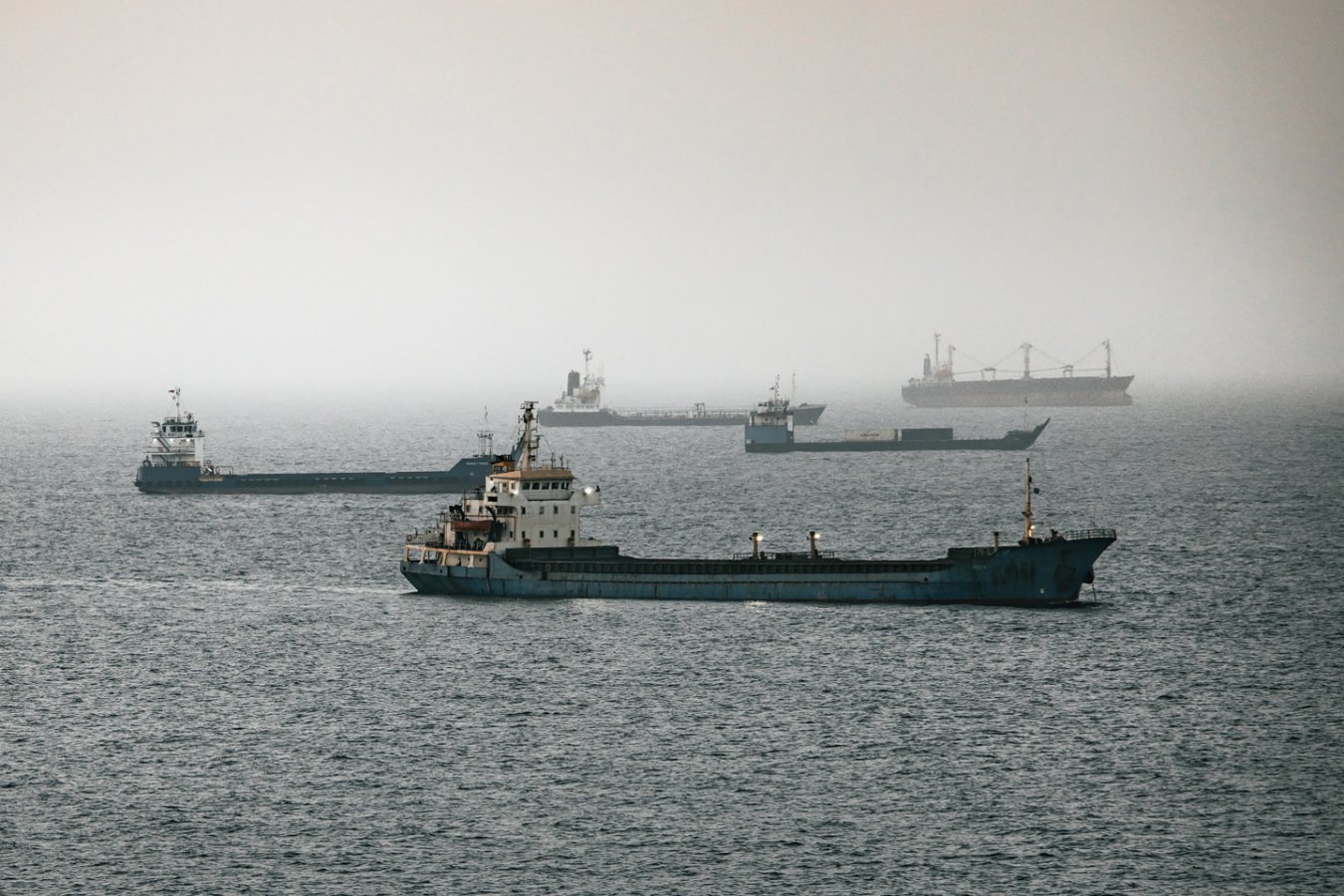
Global carbon emissions from fossil fuels are projected to decline for the first time in five years, according to the latest Global Carbon Budget report. The decrease is attributed to an energy shock caused by the US and Israel's war on Iran, which led to a blockade of the Strait of Hormuz and a spike in oil prices. This has prompted countries worldwide to seek alternative fuel sources to enhance energy security.
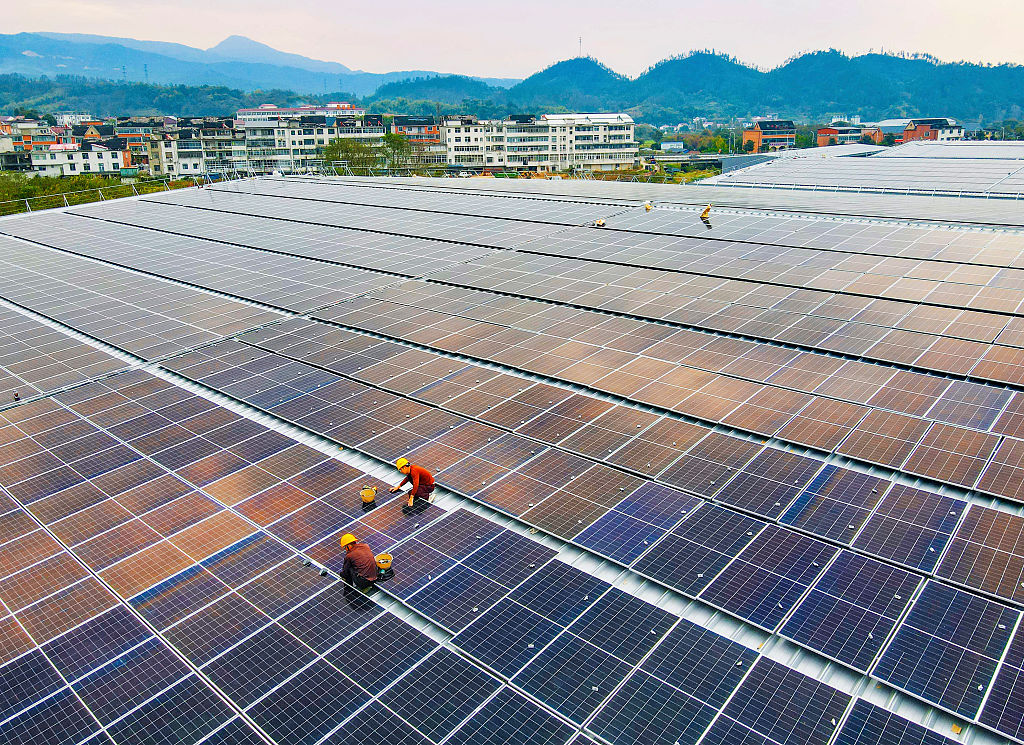
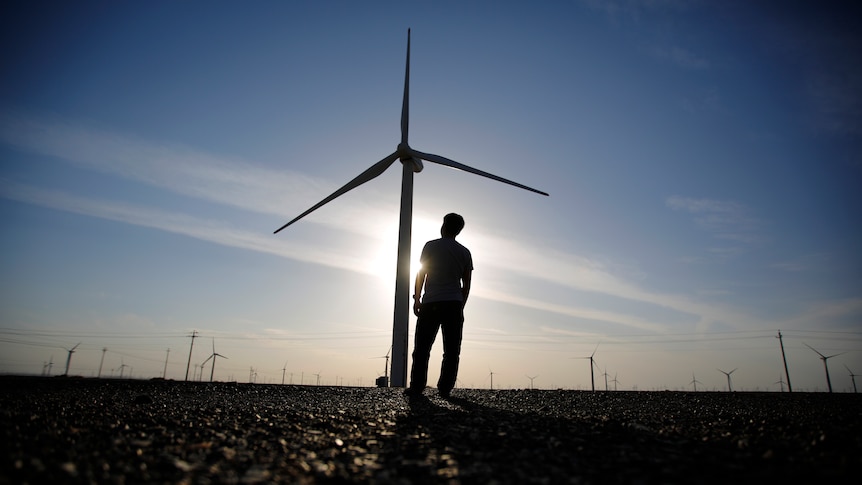
The 2026 Global Carbon Budget, compiled by over 140 researchers, predicts that 38.2 gigatonnes of CO2 will be emitted globally, a 0.4% decrease from the previous year. The drop in oil usage is partly due to the energy crisis, though it is uncertain if this is a temporary trend or the start of a long-term decline. The International Energy Agency projects that electric vehicles and renewable energy sources, such as solar and wind power, will offset 64 to 79% of the increase in emissions from demand growth through 2028.
Written by urgent.news from New Scientist's reporting — not their text. Machine-written — may contain errors; check the original before relying on it.
This story
This is one outlet's version. Read the fullest account.
- Analysis: Fossil-fuel CO2 emissions set to dip in 2026 as Iran conflict hits oil use carbonbrief.org
- Iran war helps fuel global drop in fossil fuel emissions — but there’s a catch livescience.com
- Fossil CO₂ emissions projected to decrease in 2026 amid clean energy growth and Iran conflict phys.org
- Renewables and Iran war help drive fall in global fossil fuel emissions abc.net.au