Fossil Fuel Emissions Are Expected to Decrease in 2026
The drop is largely due to the Iran war and clean energy expansion.
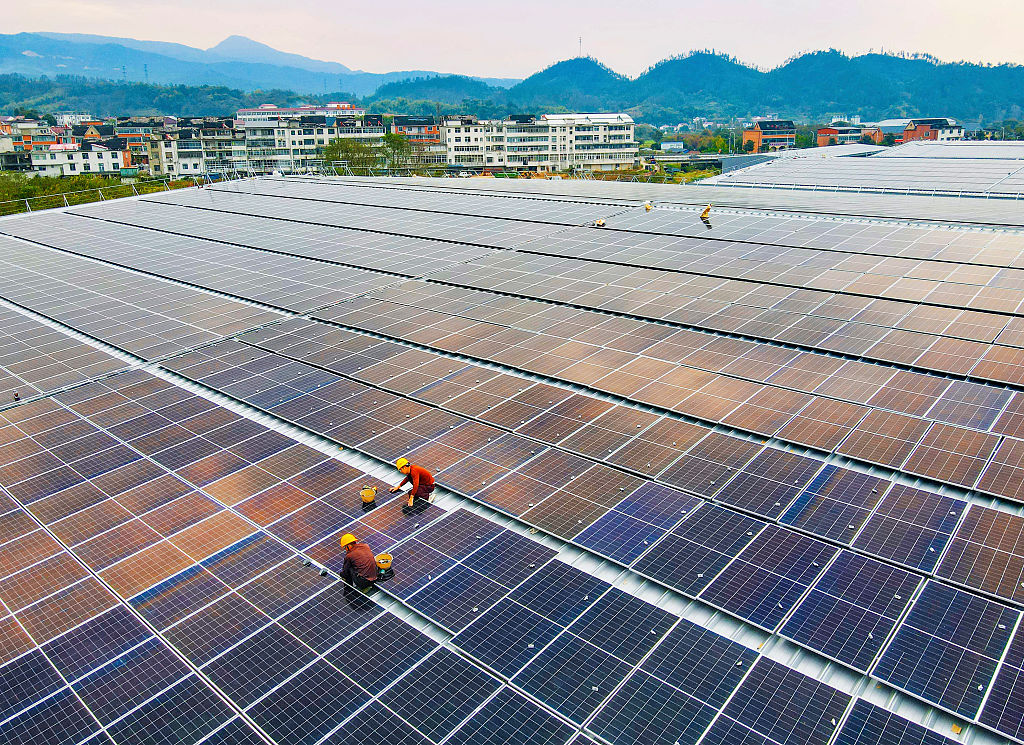
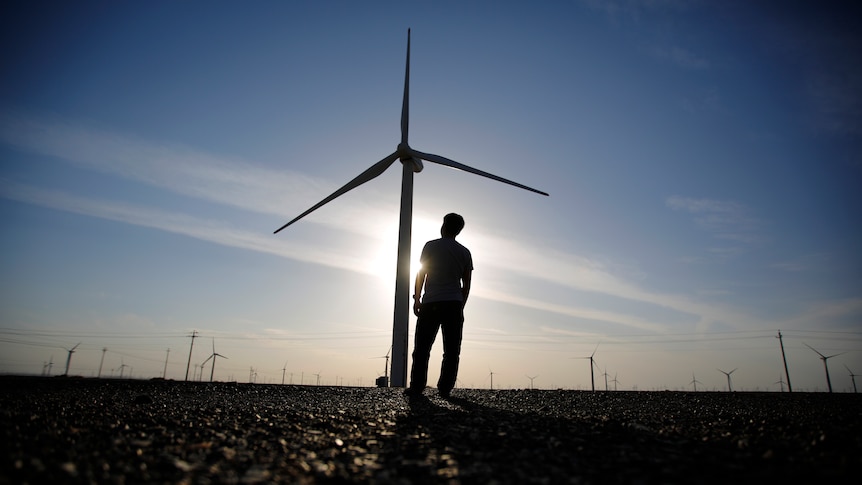
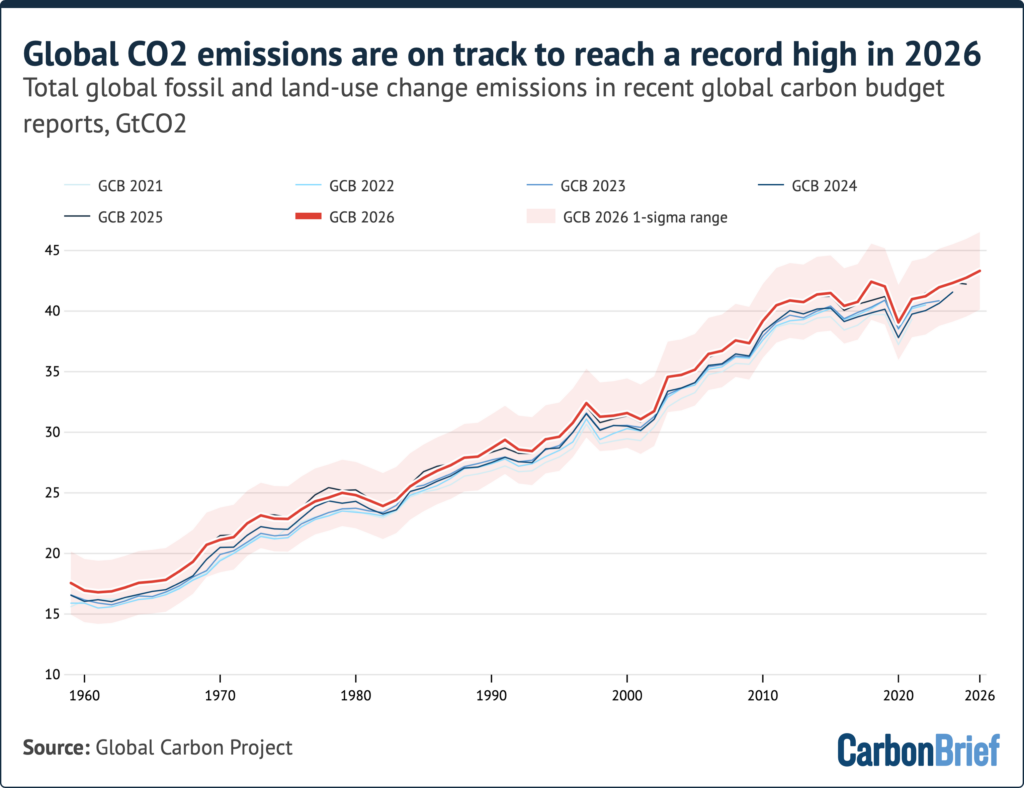
Global fossil fuel emissions are predicted to decline by 0.4% in 2026, according to a recent analysis by the Global Carbon Project, a yearly report monitoring worldwide carbon emissions. The anticipated decrease is attributed to the energy crisis caused by the Iran conflict and the growing acceptance of wind and solar energy worldwide.
However, researchers caution that the reduction is not a long-term trend, but rather a temporary fluctuation. Mike O'Sullivan, a senior lecturer at the University of Exeter and a report researcher, notes that the decrease in emissions is likely due to a temporary shock rather than a systemic peak.
Two of the world's top three emitters, China and the United States, are forecasted to experience a drop in emissions in 2026. China's emissions are expected to fall by 0.9%, following two years of stability or decline, while the U.S. is projected to see a 1.3% reduction primarily due to a decrease in coal emissions, resulting from higher natural gas prices and a chilly spell.
On the other hand, India is projected to see a rise in emissions by 4.4%, compared to the 3.5% average annual increase in fossil fuel emissions it has experienced over the past decade. The European Union and Japan are also anticipated to witness slight drops in fossil fuel emissions, while global emissions from land-use change are expected to increase to 5.1 billion metric tons, mainly due to a rise in peat fires and El Niño, which is amplifying wildfire risks in regions like Southeast Asia and South America.
The atmospheric concentration of CO2 is expected to reach 427.7 ppm in 2026, which is 54% higher than pre-industrial levels. The global carbon budget, representing the amount of CO2 that can be emitted before the planet warms by 1.5°C above pre-industrial levels, has fallen to 150 billion metric tons, which is equivalent to less than four years of emissions at the current rate.
The world is expected to surpass the 1.5-degree warming threshold, as recently warned by the U.N., and global climate goals are lagging behind the necessary measures.
Despite some regions experiencing an increase in emissions between 2019 and 2025, all areas have seen a slowdown in total emissions growth, including China, India, and other emerging economies. Over two dozen countries have managed to grow their economies without increasing emissions, and the worldwide adoption of wind and solar energy has averted billions of metric tons of emissions.
Researchers estimate that, between now and the end of 2028, 64-79% of emissions from new energy demand will be offset by the expansion of solar and wind power and electric vehicles. However, they also emphasize that the necessary actions are far from being accomplished.
Written by urgent.news from Time's reporting — not their text. Machine-written — may contain errors; check the original before relying on it.