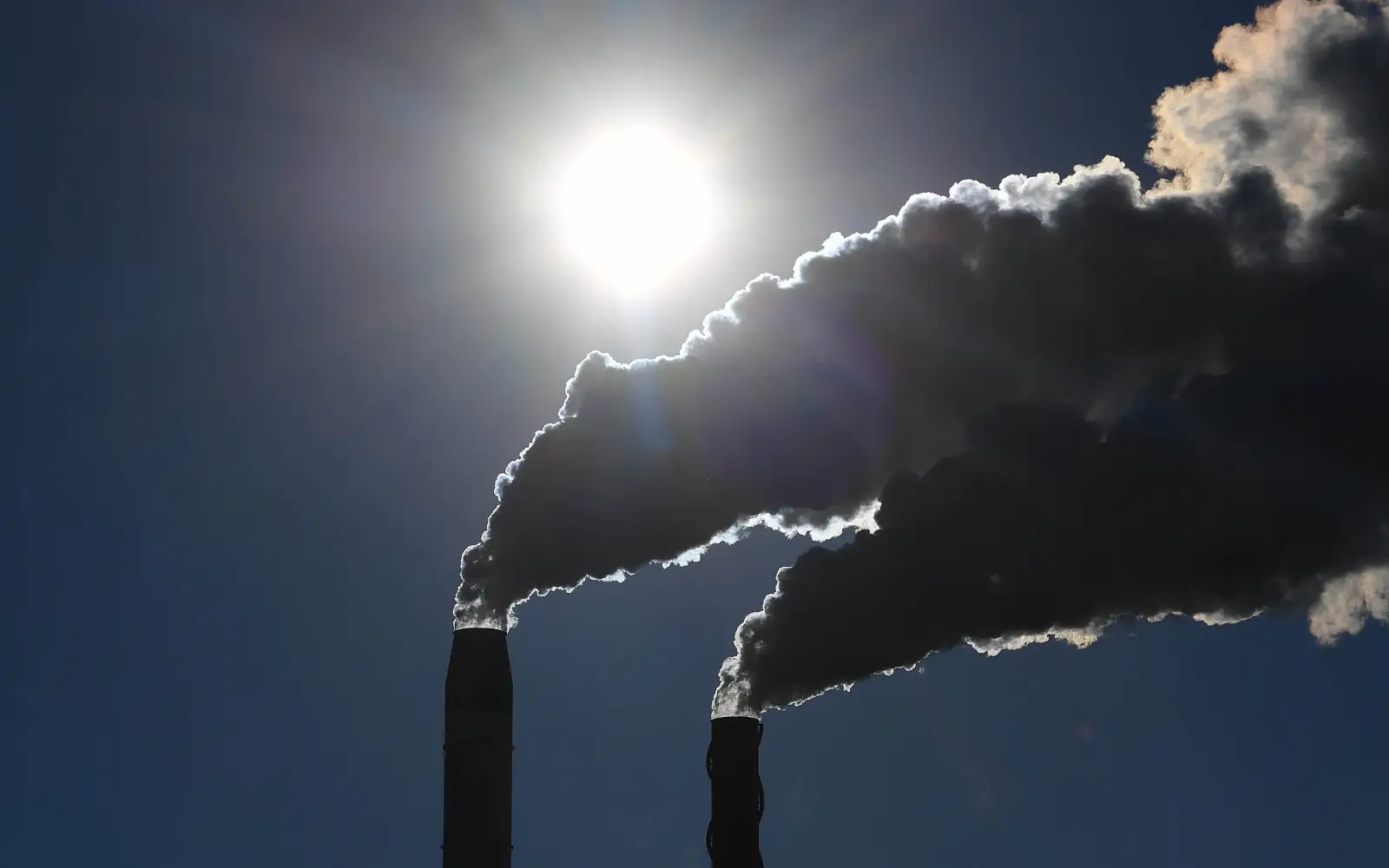
Iran war helps fuel global drop in fossil fuel emissions — but there’s a catch
In the run-up to the COP31 U.N. climate change conference, scientists have revealed that global carbon emissions from fossil fuels are projected to drop by 0.4% this year, driven by growth in installed wind and solar power capacity, as well as oil price hikes caused by the Iran conflict. But climate goals are still unlikely to be met.
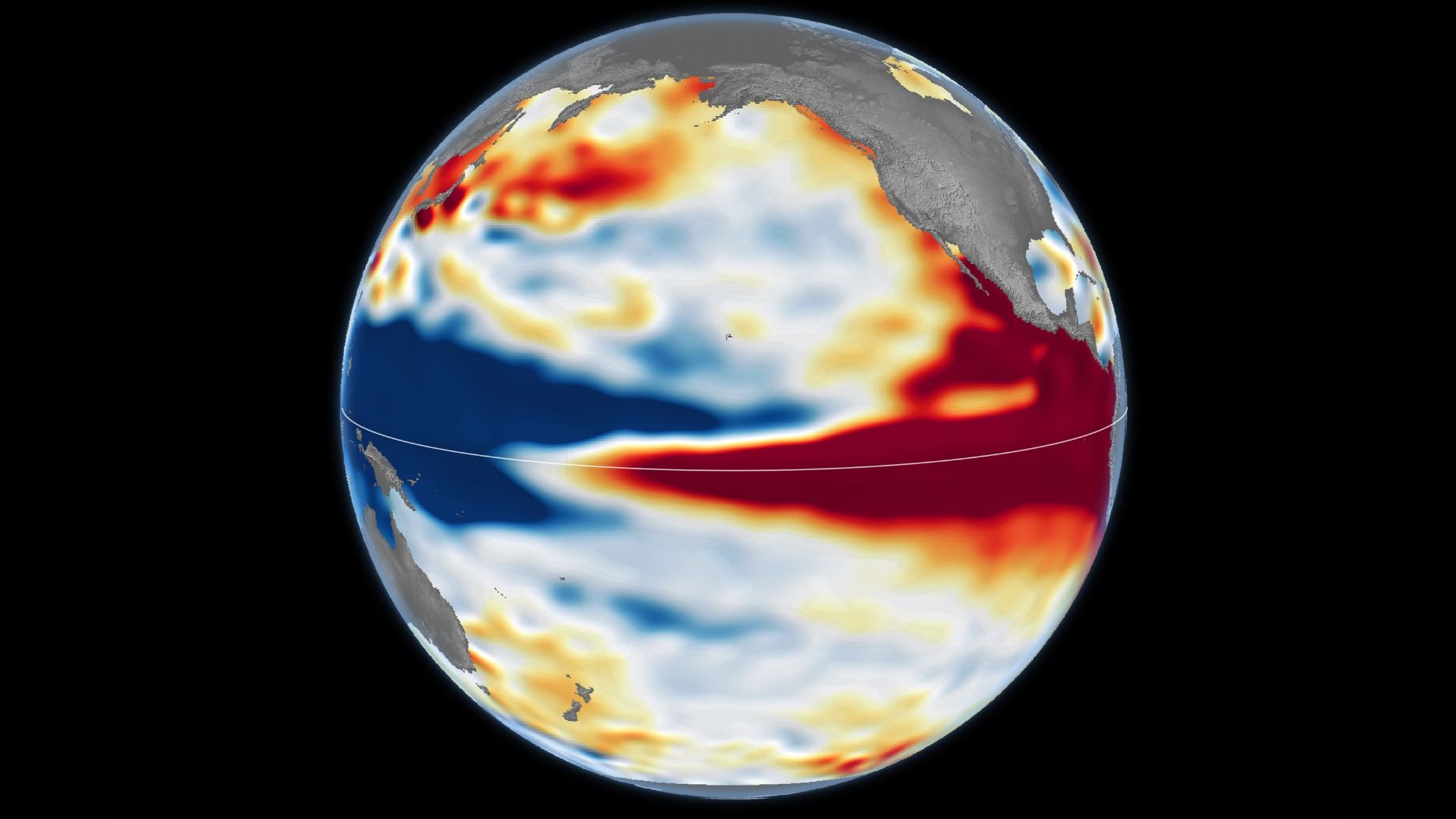
The world's carbon emissions from oil, gas and coal could decrease by 0.4% this year, according to a new report. This decrease is partly due to the growth of solar and wind power capacity and price increases stemming from the Iran conflict. However, the world is still likely to miss key climate goals as emissions are projected to increase in India, despite decreases in other major emitters like China, the U.S. and the European Union.
The 2026 Global Carbon Budget report predicts 38.2 billion metric tons (42.1 billion U.S. tons) of CO2 emissions from fossil fuels this year. While the projected decline is small, climate scientist Joeri Rogelj notes that it represents a positive sign of decarbonisation efforts making a difference. However, the war with Iran has resulted in restricted fuel availability and high prices, leading to a reduction in demand.
Energy demand is increasing, but clean technologies like solar, wind power and electric vehicles are helping to offset some of the increase.
Written by urgent.news from Live Science's reporting — not their text. Machine-written — may contain errors; check the original before relying on it.
This story
This is one outlet's version. Read the fullest account.
- Analysis: Fossil-fuel CO2 emissions set to dip in 2026 as Iran conflict hits oil use carbonbrief.org
- Global carbon emissions set to fall in 2026 due to Iran energy shock newscientist.com
- Fossil CO₂ emissions projected to decrease in 2026 amid clean energy growth and Iran conflict phys.org
- Renewables and Iran war help drive fall in global fossil fuel emissions abc.net.au