Fossil fuel emissions fall due to Iran war, renewables: research
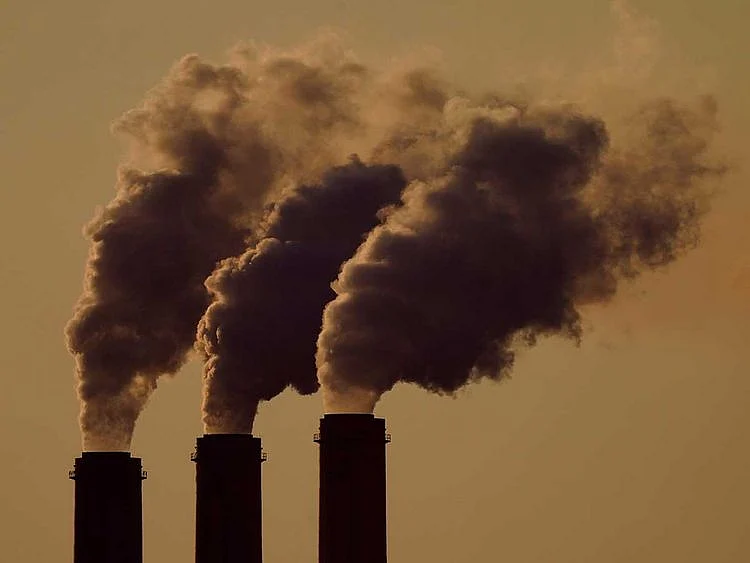
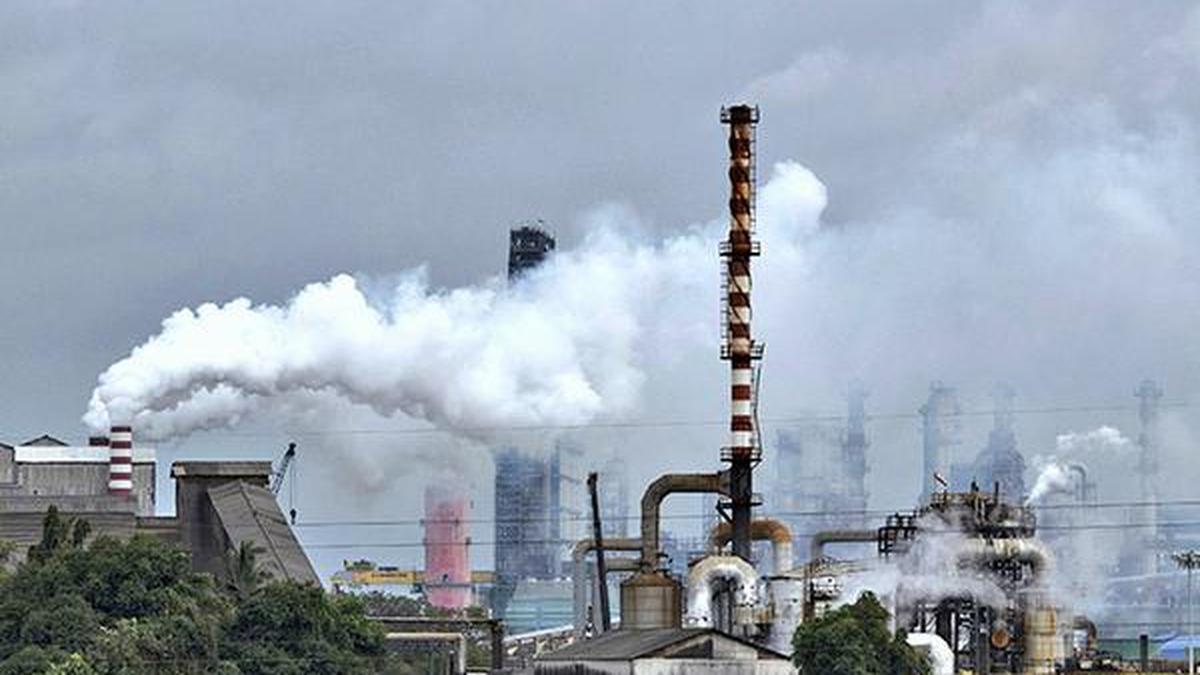
Global fossil fuel emissions are expected to decrease slightly in 2026 due to the expansion of renewable energy sources and the economic impact of the Iran war, according to research published ahead of the UN's COP31 climate summit in Antalya, Turkey. The Global Carbon Budget report forecasts a 0.4% decline in 2026, marking the first annual drop since 2020 when the COVID-19 pandemic significantly reduced global economic activity.
The reduction is attributed to the oil price shock caused by the conflict in Iran, which led to a decline in oil consumption and higher prices. However, 62% of the anticipated increase in global energy demand is being met by renewable energy sources, including solar panels, wind farms, and electric vehicles. Pierre Friedlingstein, director of the Global Carbon Budget Office at the University of Exeter, emphasized that while the decline in emissions is encouraging, the geopolitical factors behind the reduction are not a sustainable long-term solution.
Experts warn that a rebound in emissions is likely once the oil tensions subside. Gas emissions are projected to drop by 0.3%, while coal emissions will increase by 0.6%. Total fossil CO2 emissions are expected to reach 38.2 billion tonnes in 2026, with land-use emissions, primarily from deforestation and peat fires, rising due to drier conditions caused by the El Nino climate pattern.
The world's carbon budget, the amount of CO2 that can be emitted before global warming surpasses 1.5°C, stands at 150 billion tonnes, and the researchers estimate it will be exhausted in less than four years.
Written by urgent.news from Gulf News's reporting — not their text. Machine-written — may contain errors; check the original before relying on it.
This story
This is one outlet's version. Read the fullest account.
- Analysis: Fossil-fuel CO2 emissions set to dip in 2026 as Iran conflict hits oil use carbonbrief.org
- Iran war helps fuel global drop in fossil fuel emissions — but there’s a catch livescience.com
- Global carbon emissions set to fall in 2026 due to Iran energy shock newscientist.com
- Fossil CO₂ emissions projected to decrease in 2026 amid clean energy growth and Iran conflict phys.org
- Renewables and Iran war help drive fall in global fossil fuel emissions abc.net.au