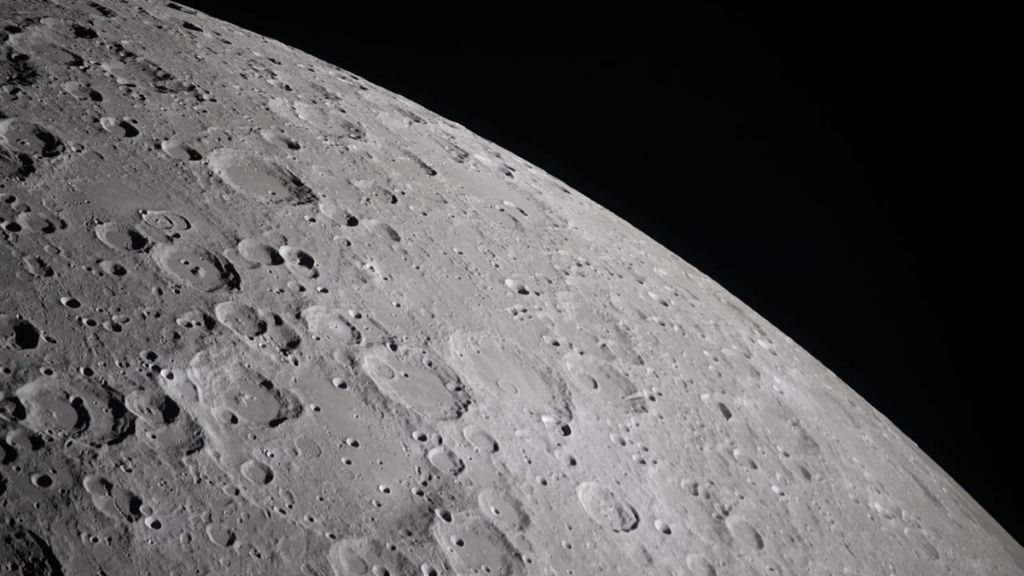
Crew Packing Dragon for Return with Experiments and a Spacesuit
Expedition 75 kicked off the week processing microbe samples and swapping spacesuits for return to Earth soon inside a U.S. cargo craft. The International Space Station crew members also studied breathing in microgravity and photographed Earth landmarks. The post Crew Packing Dragon for Return with Experiments and a Spacesuit appeared first on NASA Science .
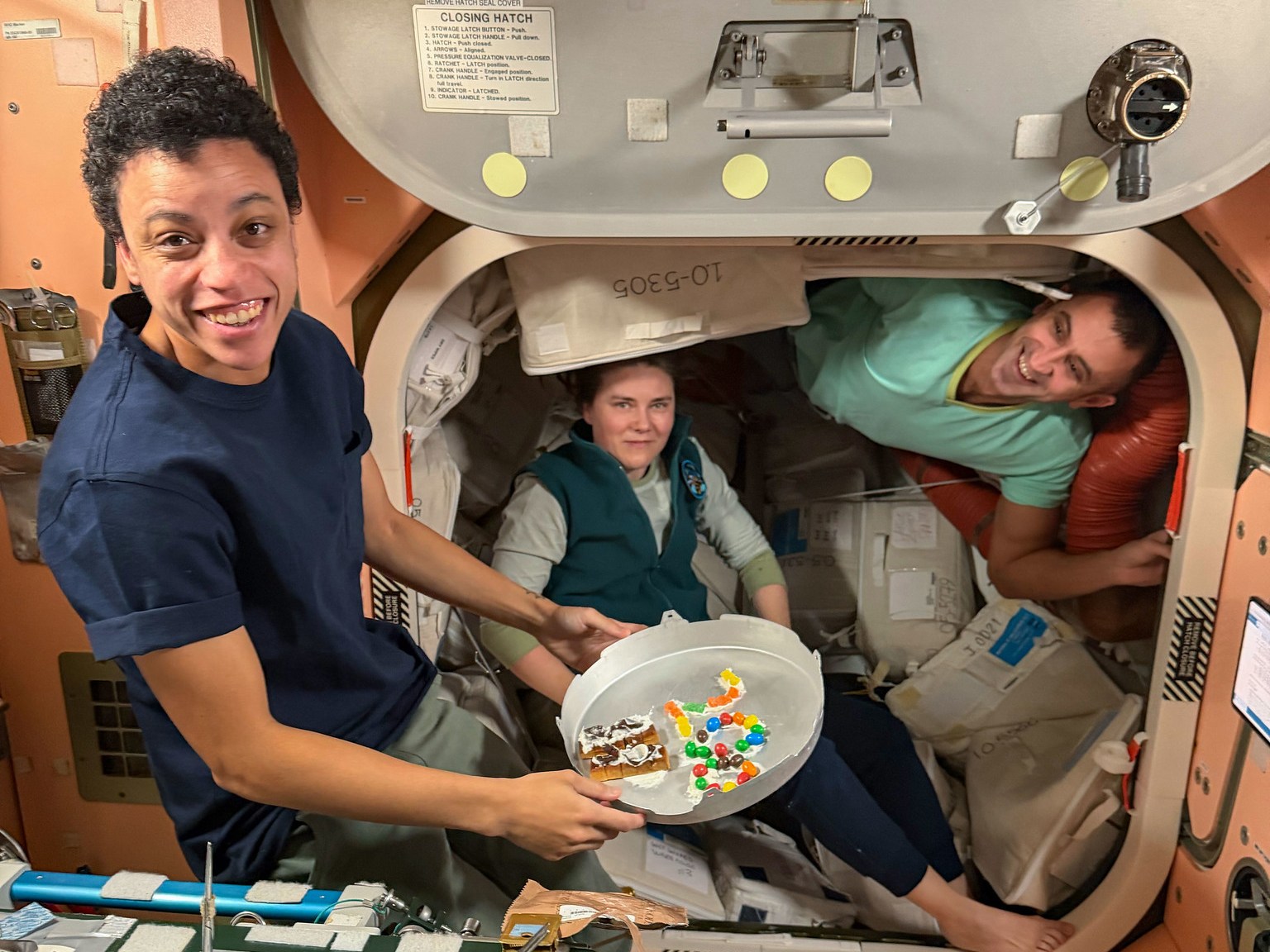
On October 31, NASA astronaut Jessica Watkins documented reaching 200 cumulative days in space across two expeditions aboard the International Space Station, sharing sweet treats with fellow cosmonauts Anna Kikina and Sergey Teteryatnikov from Roscosmos. The Expedition 75 crew began the week conducting microbe sample processing and preparing spacesuits for return to Earth in a U.S. cargo vehicle.
NASA flight engineers Anil Menon and Joshua Kutryk alternated daily to analyze microbial growth on station surfaces and drinking water, followed by Watkins and Delaney inspecting a recently delivered spacesuit, transferring it to Dragon, and preparing it for station use. Meanwhile, Teteryatnikov monitored his rapid breathing rate with an acoustic device to study the effects of microgravity on the respiratory system.
Station commander Pyotr Dubrov captured Earth landmarks, such as mountains, volcanoes, and deserts in South America and Africa, while Kikina maintained station systems by checking docking mechanisms, smoke detectors, and life support gear.
Written by urgent.news from NASA Science's reporting — not their text. Machine-written — may contain errors; check the original before relying on it.