The next test for renewable energy
India has installed about 308 GW of non-fossil capacity. Crossing 500 GW will be a milestone for India, not the finish line
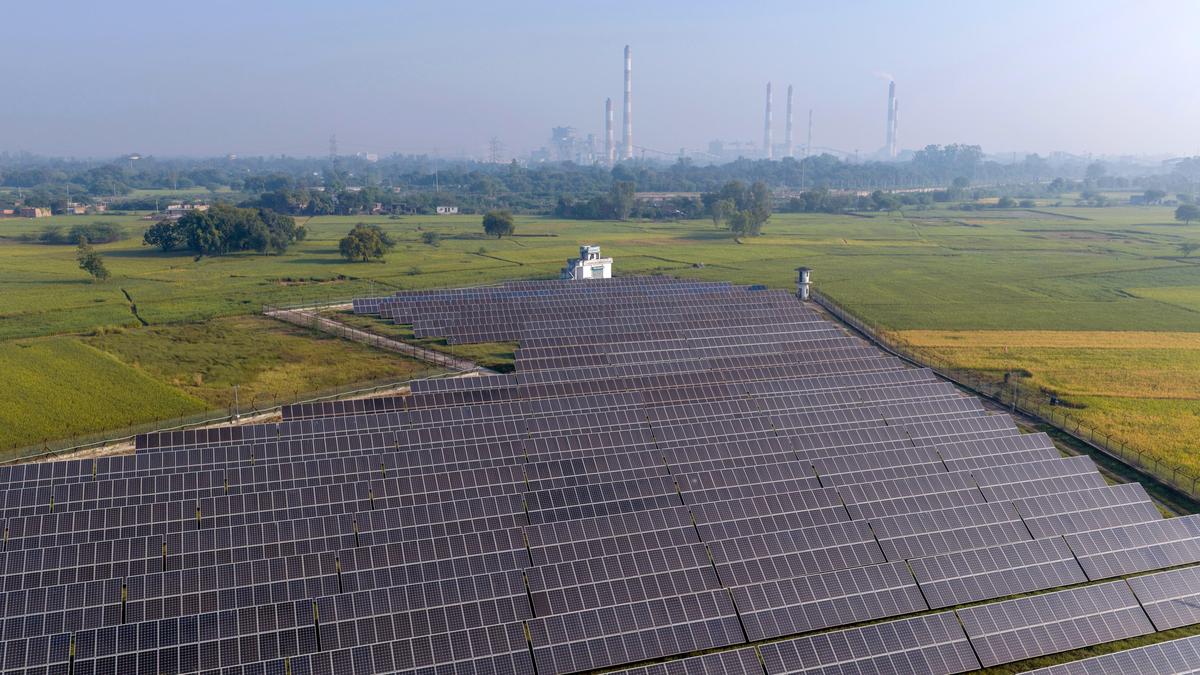
Last week, India hosted the Bharat Renewable Energy Summit, recognizing the nation's achievement of virtually all households having access to electricity, coupled with its ability to accommodate a surging demand for power while simultaneously expanding its renewable energy capacity to become the world's third-largest. This week, Türkiye will host COP31, with Australia presiding over climate negotiations.
The COP31 hosts have proposed a global electrification target – 35% of final energy consumption by 2035. This target builds upon the Brazil COP30 presidency's endeavors to formulate a roadmap for transitioning away from fossil fuels. These instances of political endorsement may lead one to conclude that the global energy transition is well underway.
However, the reality is far more complex. In 2025, global renewable energy capacity reached 5,149 GW, with 692 GW added in the previous year, accounting for nearly 97% of the growth – predominantly from solar and wind sources. Nevertheless, the objective of tripling renewable energy capacity by 2030, as endorsed in 2023 at India's G20 summit and through the UAE Consensus at COP28, remains remarkably distant.
Over the next four years, approximately 1000 GW of additional renewable energy generation capacity will need to be installed annually.
Written by urgent.news from The Hindu - Sci-Tech's reporting — not their text. Machine-written — may contain errors; check the original before relying on it.