Britain's tech ambitions depend on minerals made in China, MPs warn
Committee can't confidently tick off any of government's ten supply security tests, with alternatives a decade away
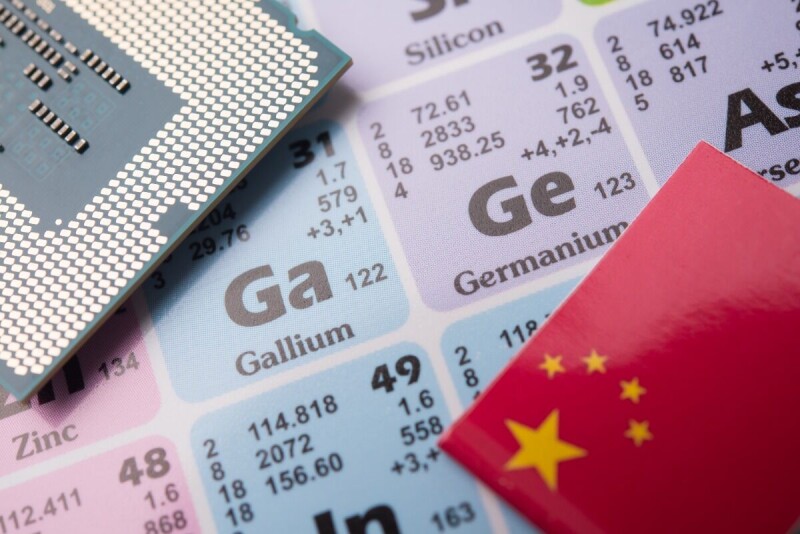
Britain's aspirations in areas such as AI, advanced chips, and clean energy rely heavily on minerals primarily sourced from China, according to MPs who scrutinized the issue in a recent report. The House of Commons Business, Innovation, Science and Trade Committee outlined ten tests for the government to secure critical minerals, but concluded that ministers cannot meet any of them satisfactorily.
These tests explore whether ministers recognize which industries and technologies require protection, which minerals are needed, potential disruption points in supply chains, and strategies for domestic production, overseas partnerships, workforce skills, and financing to bridge the gaps.
Diversifying mineral supplies is projected to take between ten to fifteen years, necessitating ongoing investment and collaboration with allies. While completely eliminating dependence on Chinese minerals is neither practical nor desirable, the report emphasizes that relying solely on the Chinese market is problematic due to their dominance in refining 19 out of 20 strategic minerals, with an average market share of 70 percent.
The committee identified key minerals including erbium, yttrium, gallium, and germanium, which are essential for various applications from fiber-optic links to advanced semiconductors used in radar, communications, and electronic warfare, with China controlling 95 percent to 93 percent of global production for gallium and germanium respectively.
The committee warned that leaving China with such significant leverage in critical mineral supply chains could pose economic and security risks. Liam Byrne, the committee chair, emphasized the urgency of the situation, stating that Britain cannot progress in areas like re-arming, AI development, and achieving net zero without securing its mineral supply chains.
The report proposes a Critical Minerals Finance Facility to provide financial support for new mining, processing, and recycling projects, as well as encourage cooperation with allies through shared purchasing arrangements. Additionally, the report highlights the need for better infrastructure for handling metal waste and improved trade data to identify valuable scrap materials that are currently exported.
Written by urgent.news from The Register Science's reporting — not their text. Machine-written — may contain errors; check the original before relying on it.
This story
This is one outlet's version. Read the fullest account.