Britain's tech ambitions depend on minerals made in China, MPs warn
Committee can't confidently tick off any of government's ten supply security tests, with alternatives a decade away
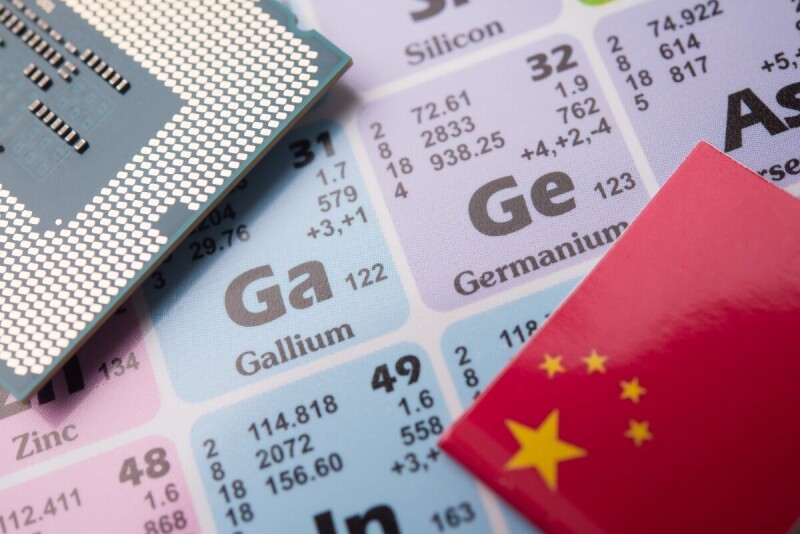
Britain's ambitions for AI, advanced chips, and clean energy heavily rely on mineral supply chains dominated by China, according to MPs from the House of Commons Business, Innovation, Science and Trade Committee. The committee has set ministers ten tests to evaluate their plan for reducing dependence on Chinese minerals, but is not confident any of these tests will be met.
The tests cover areas such as identifying industries and technologies requiring protection, determining required minerals, addressing potential supply disruptions, and assessing domestic production, overseas partnerships, skills, and financing. Diversifying supplies will take ten to 15 years and requires sustained investment and cooperation with allies, the committee warns.
Leaving China with so much leverage is another matter. Critical minerals, including those used in batteries, semiconductors, data centers, and military equipment, are vital for the economy and security of the UK and other major industrialized nations. China's dominance extends beyond chips and batteries, with the country being the leading refiner for 19 out of 20 strategic minerals.
Disruptions in China's rare earth exports have caused temporary closures of automotive plants, affecting British manufacturers as well. The committee emphasizes the need for confidential mapping and stress-testing of critical sectors, as well as joint purchasing arrangements with allies to secure new mining and refining projects.
They propose a dedicated financing facility to support early-stage projects and help keep strategically important ventures viable despite volatile mineral prices. The UK currently lacks sufficient infrastructure for processing and recycling metals, with 80% of metal products classified as waste being exported. The committee recommends establishing designated critical mineral clusters, improving sorting and separation facilities, and gathering more detailed trade data to identify valuable scrap being sent abroad.
Written by urgent.news from The Register's reporting — not their text. Machine-written — may contain errors; check the original before relying on it.