The Swift Observatory Is Dropping Back to Earth This Week: Here’s What to Know
Most of it is slated to burn up in the atmosphere, but some fragments may make their way down to Earth.
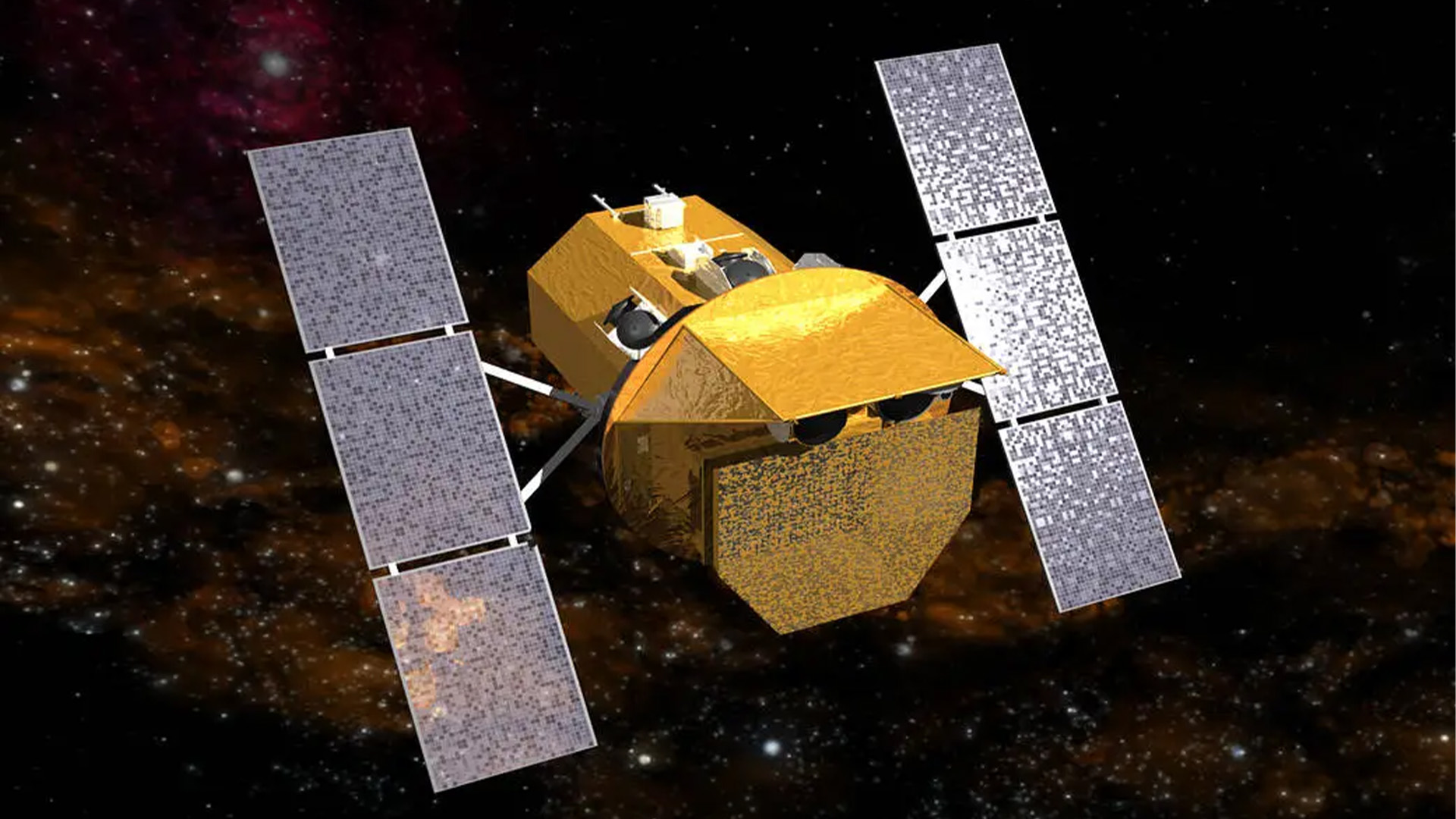
This week, the Neil Gehrels Swift Observatory, formerly known as the Swift Gamma-Ray Burst Explorer, is set to re-enter Earth's atmosphere. Launched into orbit on November 20, 2004, the space telescope was designed for a two-year primary mission but proved to be far more productive, operating for over 10 times the duration. With its final descent expected on Wednesday, November 4, at around 3:30 a.m. ET, NASA anticipates the telescope will either re-enter during the early hours of the morning or overnight.
Most of the telescope should burn up upon re-entry, with only a few components expected to reach Earth. The surviving fragments are predicted to fall within a latitude band from 20.6 degrees south to 20.6 degrees north, creating a band around the middle of the Earth, just above and below the equator. NASA estimates the risk of harm to anyone on Earth is extremely low, at approximately 1 in 2,100.
The telescope has contributed significantly to scientific understanding and data collection since its mission began, with 2,000 gamma-ray bursts scanned, 1.5 million images taken, and 12 terabytes of data sent back to Earth. These findings are documented in an estimated 7,000 research papers, averaging out to just under one study per day throughout its 22-year operation.
Written by urgent.news from CNET's reporting — not their text. Machine-written — may contain errors; check the original before relying on it.