Garmin explains the process behind the Fenix 9 Pro and Marq Gen 3's new titanium case
'If you look at the surface of the case, it's almost completely smooth': behind the scenes on Garmin's titanium nano-molded case.
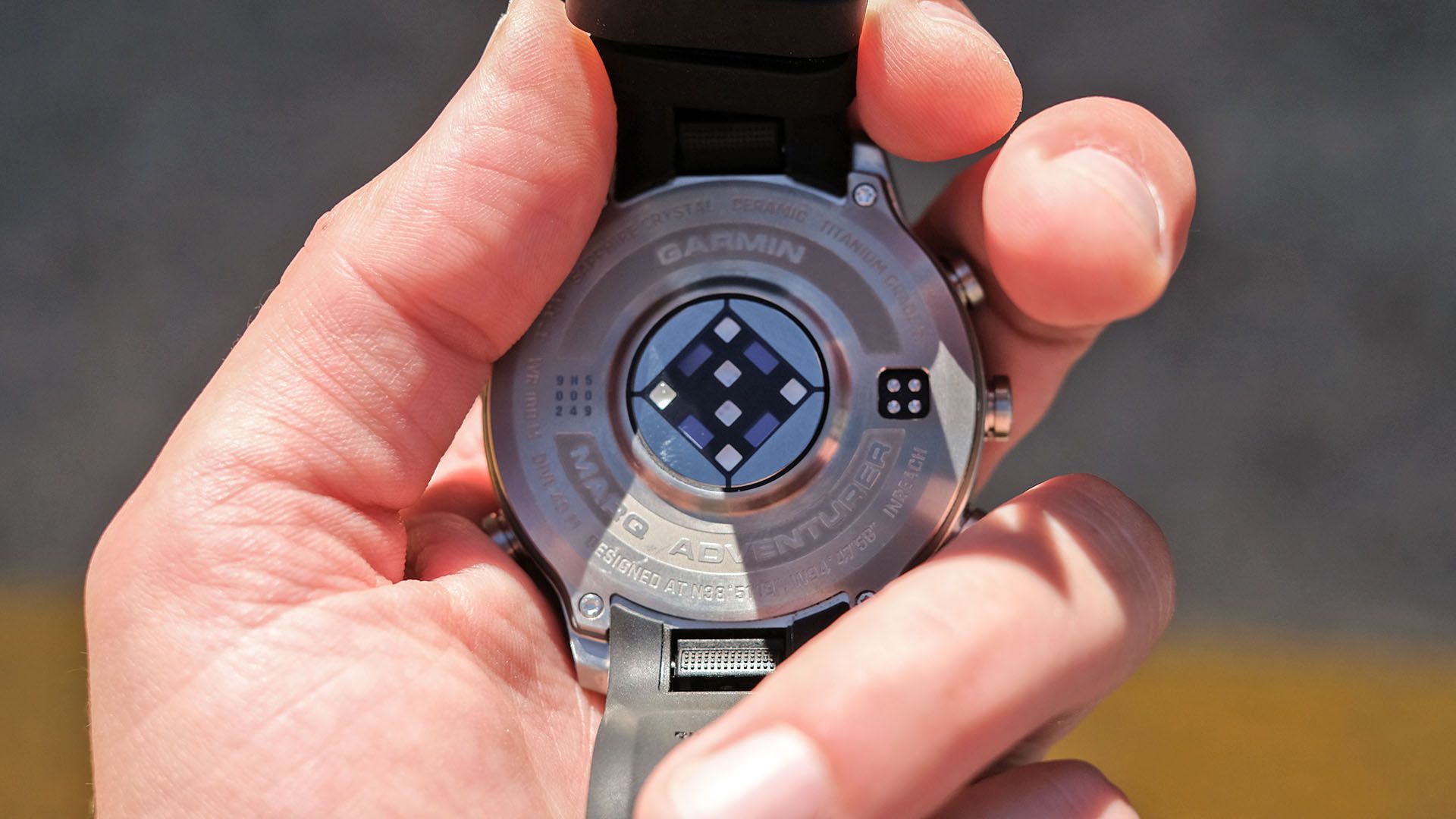
Titanium is currently the most desirable material for fitness watches, as it is lightweight, strong and weather-resistant. However, using more titanium in watch construction presents technical challenges. Garmin's Fenix 9 Pro and Marq Generation 3 feature titanium cases, but this also raises issues with radio signal transmission.
To overcome this, Garmin implemented a process called "nano molding" (NMT) that bonds polymer and metal at the nano scale, creating a tight, rigid bond between the case elements. This allows for thin design while maintaining signal transmission capabilities. The process involves etching titanium to create a nano-textured surface that perfectly fits the polymer parts, eliminating the need for gaskets.
This innovative technique helps reduce overall thickness and weight, making the watches more comfortable to wear. However, the cost of these advanced materials and manufacturing processes contributes to the higher price tag of these premium Garmin watches.
Written by urgent.news from TechRadar's reporting — not their text. Machine-written — may contain errors; check the original before relying on it.