The Swift Observatory Dropped Back to Earth This Week. Here’s What to Know
NASA believes most of the space telescope burned up in the atmosphere, but some fragments may have made their way down to Earth.
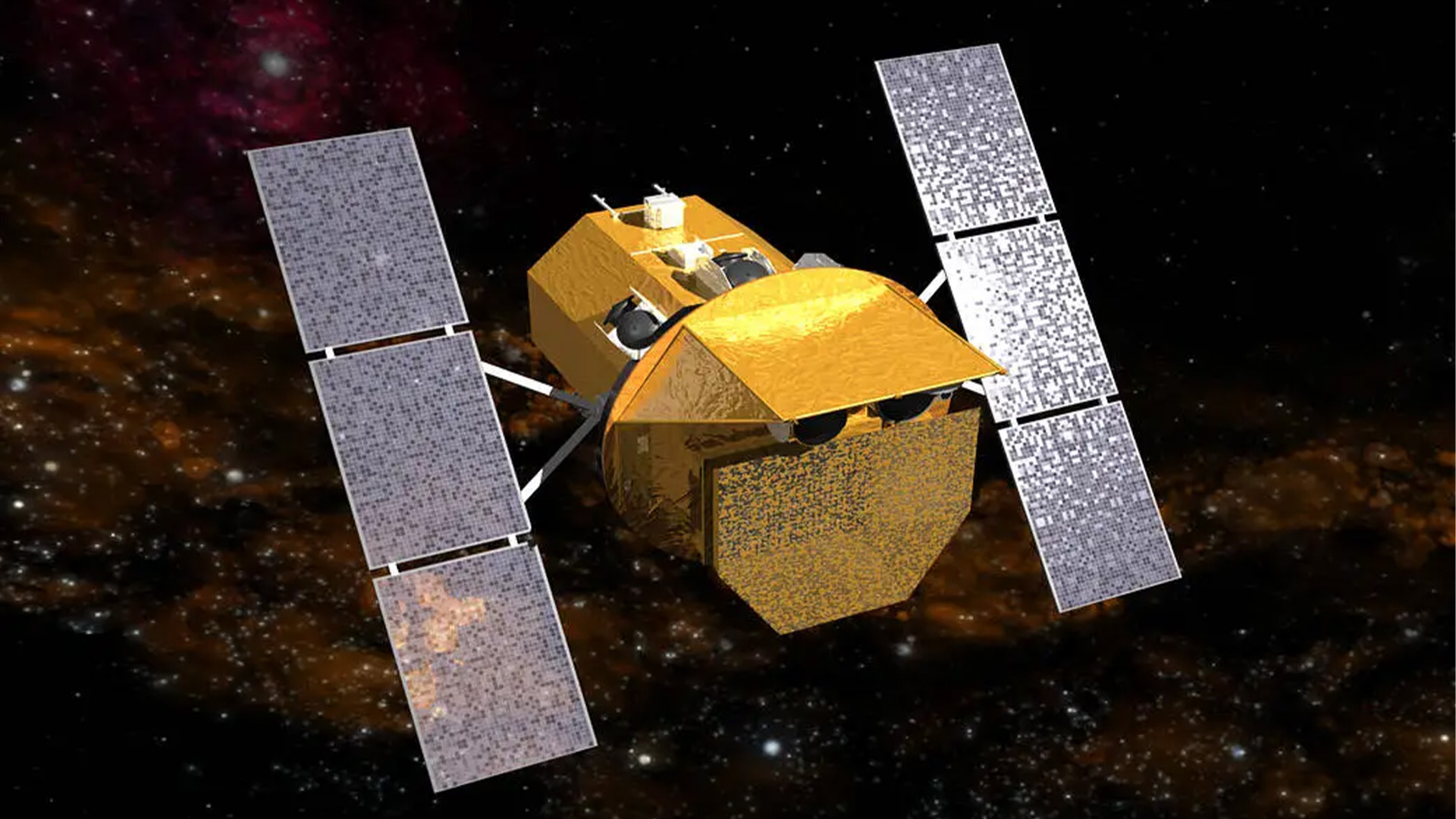
The Neil Gehrels Swift Observatory, initially known as the Swift Gamma-Ray Burst Explorer, concluded its remarkable 22-year mission by re-entering Earth's atmosphere this week. Launched in 2004, the space telescope exceeded its two-year primary mission by over a decade. According to NASA's Shawn Domagal-Goldman, the telescope delivered "an incredible, lasting return on investment for the nation."
Swift began its journey over North Sumatra, Indonesia, and re-entered the atmosphere at 7:39 am ET on Wednesday, four hours ahead of NASA's prediction. While most of the spacecraft likely disintegrated during the reentry, some components may have survived. Operations were halted in late October after the final observation on October 20, as Swift was orbiting at just 171 miles above Earth due to increased atmospheric drag.
The observatory's initial mission focused on advancing the understanding of gamma-ray bursts and their connection to phenomena like black hole formation and the early universe. Its name was changed to the Neil Gehrels Swift Observatory in 2018, honoring pioneering NASA astrophysicist Neil Gehrels. Swift's primary role was to rapidly detect gamma-ray bursts, identify their sources, and analyze them for further study.
It also enabled unique observations of newly discovered objects within minutes of their light reaching Earth, resulting in an immense volume of scientific research. Over its mission, Swift scanned more than 2,000 gamma-ray bursts, captured 1.5 million images with its ultraviolet/optical telescope, and transmitted 12 TB of data. This data has been cited in an estimated 7,000 research papers, averaging nearly one study daily since 2004.
NASA hopes Swift sets the standard for time-domain astrophysics, and the observatory's innovations, including immediate data accessibility and the involvement of over 1,000 guest investigators, have significantly shaped those discoveries. NASA attempted to rescue Swift in the summer of 2026 but abandoned the attempt due to engineering difficulties and control issues, marking the end of an extraordinary mission.
Rewritten by urgent.news; may contain errors — check the original.