Dinosaur Blood Cells Detected in 115-Million-Year-Old Fossil
Don't pack your bags for Jurassic Park just yet though. Don't miss a story, subscribe here.
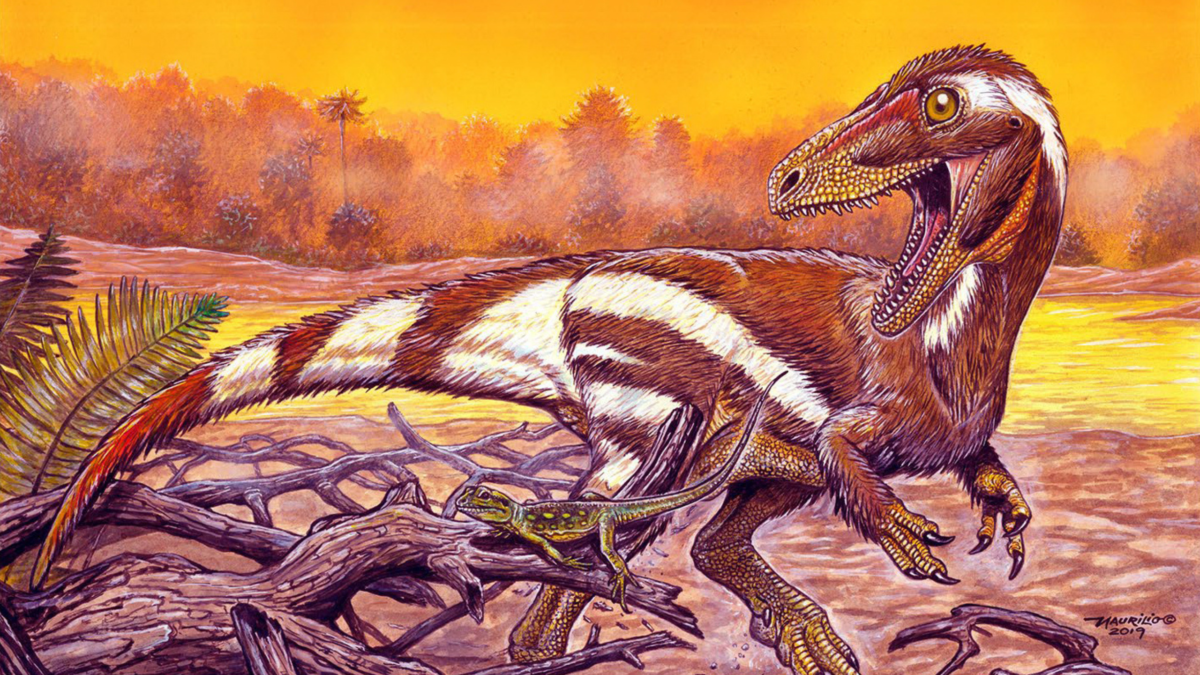
A 115-million-year-old dinosaur fossil, discovered in Brazil, has revealed what may be the earliest red blood cells ever found in a dinosaur. The fragment, belonging to the theropod dinosaur Aratasaurus museunacionali, was unearthed in 2008. Until now, red blood cells had only been found in dinosaur remains dating back up to 75 million years ago.
This extraordinary find could potentially change our understanding of dinosaur biology and evolution. The research team, led by Dr Kliti Grice at Curtin University in Perth, Australia, used advanced techniques to isolate and analyze the ancient cells. They discovered that the cells were abundant within fossilized blood vessels, providing strong evidence of their authenticity.
The presence of a specific component called haem B, a key part of haemoglobin, further confirmed that these were indeed red blood cells. The researchers also took steps to rule out contamination from the surrounding algae-rich sediments. Comparing the fossilized cells to those of modern birds and crocodiles, they found that the Aratasaurus cells were significantly larger, which could suggest either swelling during fossilization or a larger size in the species.
This discovery opens up new possibilities for investigating other seemingly unremarkable dinosaur fossils stored in museums worldwide.
Written by urgent.news from New Scientist's reporting — not their text. Machine-written — may contain errors; check the original before relying on it.
This story
This is one outlet's version. Read the fullest account.
- Dinosaur red blood cells recovered from 115-million-year-old fossil newscientist.com