Traces of dinosaur blood found in world-first discovery
A 115-million-year-old fossil dinosaur bone found in Brazil contains microscopic structures resembling red blood cells and molecular traces of blood
A groundbreaking discovery in Brazil has revealed traces of dinosaur blood within a 115-million-year-old fossil. The remarkable find, published in the Proceedings of the National Academy of Sciences, marks the first direct molecular evidence of blood preserved within structures resembling red blood cells. This unprecedented insight into the biology of extinct animals expands our understanding of fossil preservation.
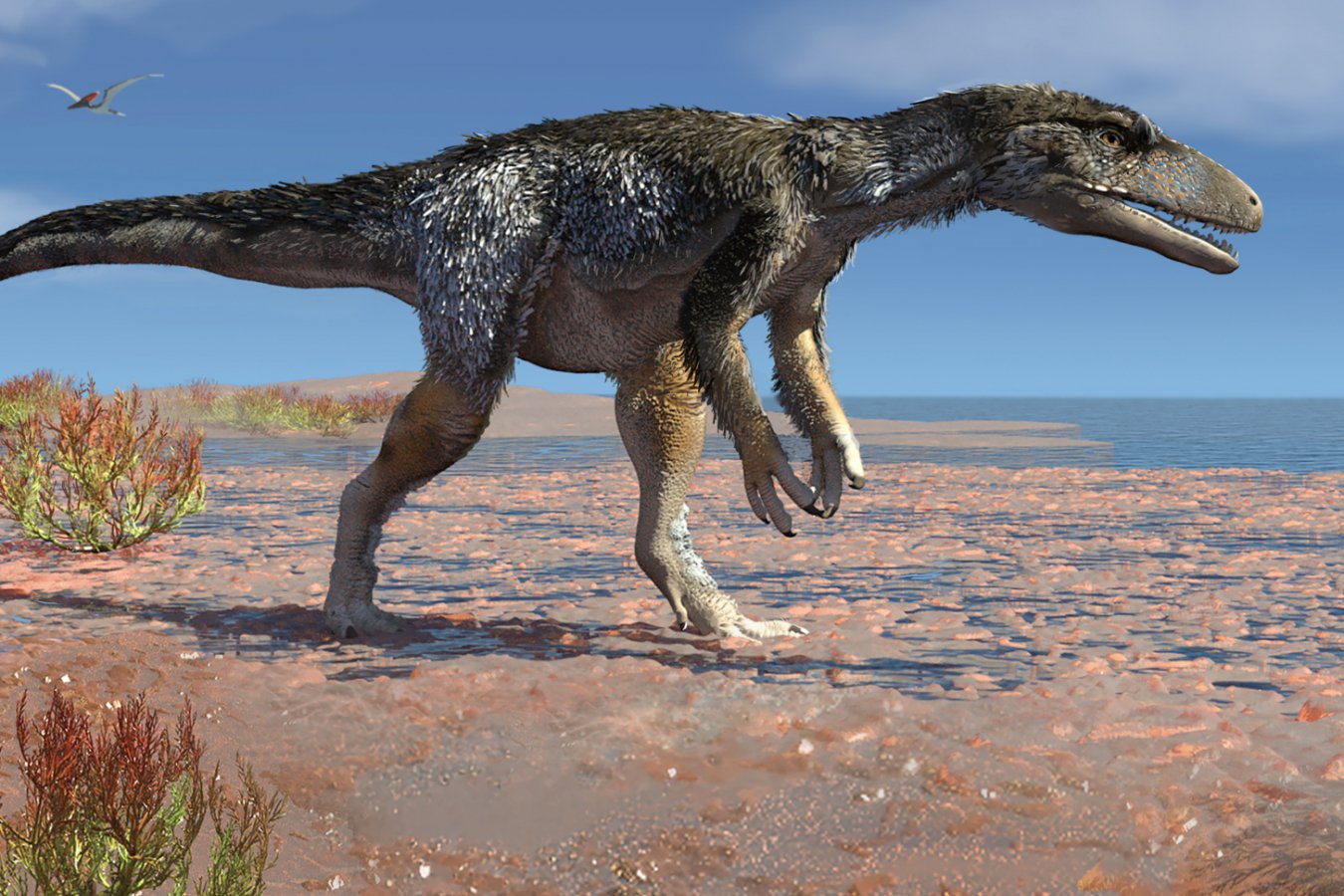
A team of researchers from Brazil, Japan, and the United States examined a fossilized dinosaur bone from the Romualdo Formation in northeast Brazil. The unique geochemical conditions of the site have preserved fossils with fine anatomical detail, including the well-preserved partial hind limb of a small dinosaur called Aratasaurus museunacionali.
The structures resembling blood cells were found exclusively within vascular canals inside the bone, with no evidence of external contamination. Chemical analysis confirmed the presence of heme molecules, key components of haemoglobin, and other molecules associated with blood. The fossil's preservation is attributed to rapid burial in a low-oxygen environment, which slowed decay, and the presence of minerals such as hausmannite, which act as antioxidants, stabilizing organic molecules.
The discovery suggests that soft tissues in fossils may be more resilient to time than previously thought, potentially unlocking new scientific insights from existing museum collections.
Written by urgent.news from The Conversation AU's reporting — not their text. Machine-written — may contain errors; check the original before relying on it.
This story
This is one outlet's version. Read the fullest account.