GM’s $220M Payout Shows How Cars Can Secretly Sell Your Driving Data
The automaker must now obtain express consent before collecting or sharing driver data.
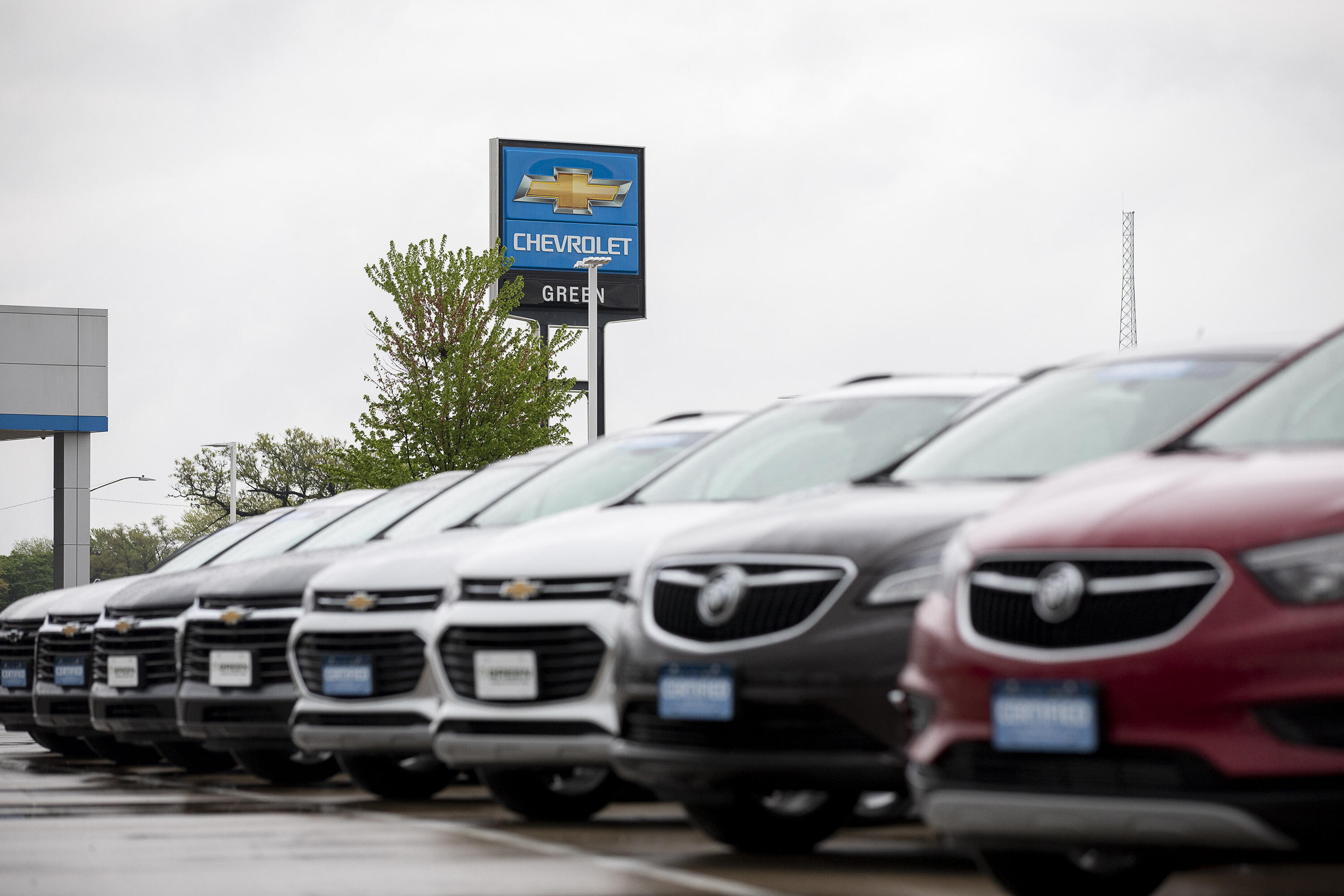
In a significant privacy lawsuit, General Motors (GM) has agreed to pay $220 million to 35 states and the District of Columbia to settle allegations that the company sold driver data from its Smart Driver program. The program, which was offered by dealerships to drivers between 2016 and 2024, allowed insurance companies to potentially use driving habits to set rates.
The New York Times reported in 2024 that some drivers experienced substantial premium increases due to the sale of their data, with one owner losing a 22% increase attributed to data broker information. GM faced criticism, describing the data collection as "spying," and promptly ceased the program. In 2025, GM also settled with the Federal Trade Commission, banning the sale of driver data for five years.
The settlement requires GM to seek explicit consent before collecting or disclosing consumer driving and location data. GM spokespersons emphasized the company's commitment to transparency and privacy, implementing changes such as a simplified privacy statement, a dedicated Privacy Center, and enhanced internal controls. Experts predict more enforcement actions as regulators have a precedent, and emphasize the importance of obtaining explicit consent from customers in plain language, rather than blanket permission boxes.
However, concerns remain about the lack of consumer control over data collection in modern vehicles, which can collect vast amounts of personal information without drivers' awareness.
Written by urgent.news from CNET's reporting — not their text. Machine-written — may contain errors; check the original before relying on it.