The dream home theater TV? 111-inch OLED TVs might be coming as LG Display explores larger sizes
LG Display and its partner are reportedly investing 1 billion extra yuan to upgrade large OLED panel production
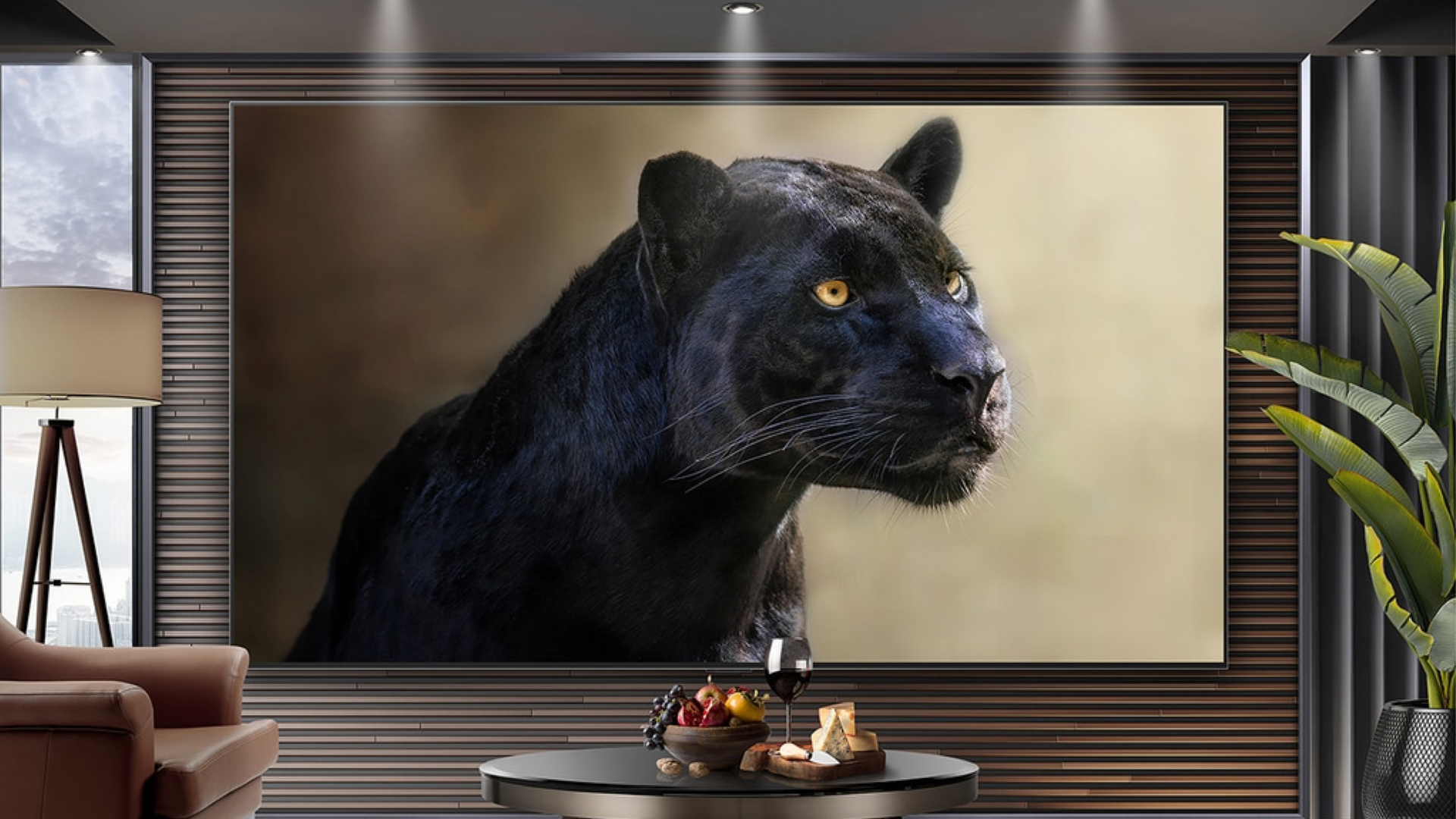
LG Display is reportedly pouring money into expanding its production capacity for larger OLED displays, aiming to produce 111-inch panels. Currently, the largest OLED TVs available have a 97-inch screen, with prices reaching up to $19,999. While affordability is a concern, the potential for larger, more affordable OLED TVs is promising, especially in the context of home theater setups.
However, questions remain about the technology that will power these larger screens. The 97-inch LG OLED uses a Primary RGB Tandem 2.0 panel, which is older than the ones used in smaller LG OLED models. This could limit the performance of the larger displays compared to other high-end mini-LED and RGB mini-LED TVs, which are already bright, accurate, and affordable.
LG Display's investment aims to upgrade the production of larger OLED modules, including 77-inch, 83-inch, 97-inch, and the potentially upcoming 111-inch sizes. If successful, this could mean more affordable and technologically advanced large OLED TVs, benefiting consumers who desire big screen experiences without the premium price tag.
Written by urgent.news from TechRadar's reporting — not their text. Machine-written — may contain errors; check the original before relying on it.