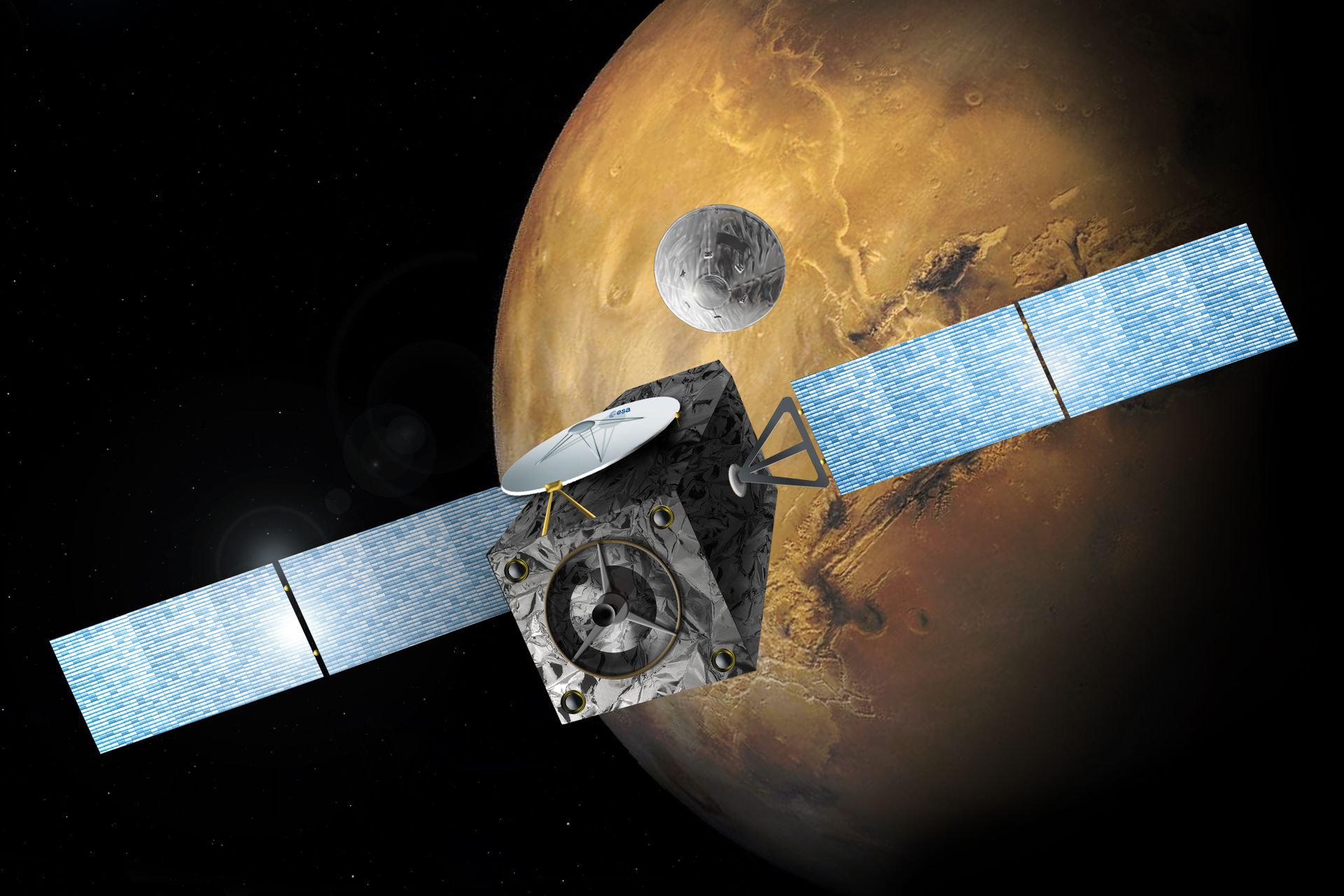
Scientists Don't Know How Mars Acquired Its Two Moons. Japan Just Launched a Historic Space Mission That Will Fetch Samples to Find Out
The Japan Aerospace Exploration Agency's spacecraft is expected to reach the Martian system in August 2027 and return samples from the moon Phobos to Earth in 2031
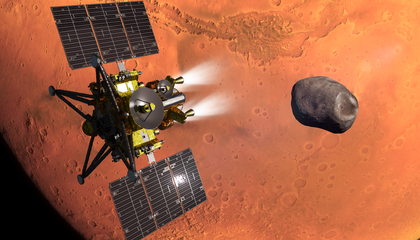
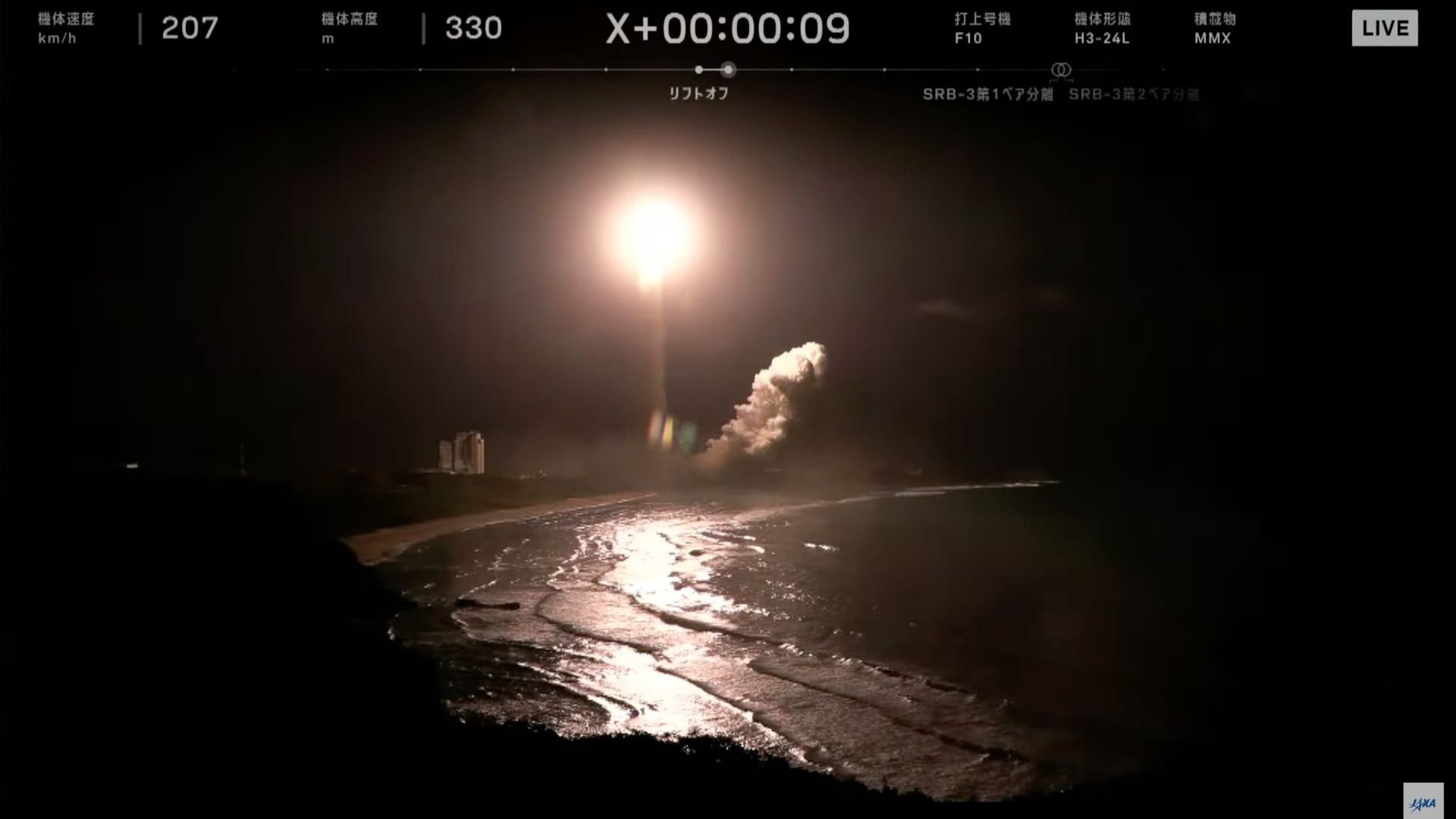
The Japan Aerospace Exploration Agency (JAXA) recently launched a spacecraft named Martian Moons eXploration (MMX) toward Mars, aiming to solve a long-standing mystery of the solar system: the origin of the Red Planet's two moons, Phobos and Deimos. Launched from JAXA's Tanegashima Space Center in southern Japan on October 20, the mission is expected to bring samples from Phobos back to Earth within five years. Phobos, the larger of the two moons, is only 14 miles wide, while Deimos measures 7.5 miles across.
Scientists have proposed two main hypotheses regarding the moons' creation. One theory suggests they formed from a collision with Mars, ejecting material into space that eventually coalesced into the moons. However, another possibility posits that Phobos and Deimos were asteroids drawn into Mars' orbit millions of years ago. Either scenario carries implications for understanding Mars' history and its potential to harbor life.
If Phobos formed from Martian debris, it may contain material from Mars' earlier days, which could have been more conducive to supporting life than the planet is now. Conversely, if Phobos originated from elsewhere in the solar system, it might have brought along water-bearing minerals and organics that could have contributed to the birth of life on Earth.
The MMX mission will first study Phobos from orbit before landing on its surface twice to collect samples. The spacecraft will also observe Mars and perform flyby observations of Deimos. Scientists will use two instruments to gather samples from Phobos: one acts like a vacuum cleaner, emitting high-pressure nitrogen gas to collect surface dust, while the second will extract core samples from a few inches below the surface.
A mere 0.35 ounces of material will be transported back to Earth, but this minuscule amount holds significant scientific value.
Written by urgent.news from Smithsonian's reporting — not their text. Machine-written — may contain errors; check the original before relying on it.