NASA Improves Shock, Vibration Analysis
Rockets vibrate, shake, and flex intensely as they climb into space, and spacecraft packed with delicate scientific instruments must survive those forces. Before any rocket leaves the ground, NASA engineers work to predict how those stresses will affect every part of a spacecraft. To do that, engineers in the Dynamic Environments Group with NASA’s Launch […] The post NASA Improves Shock,…
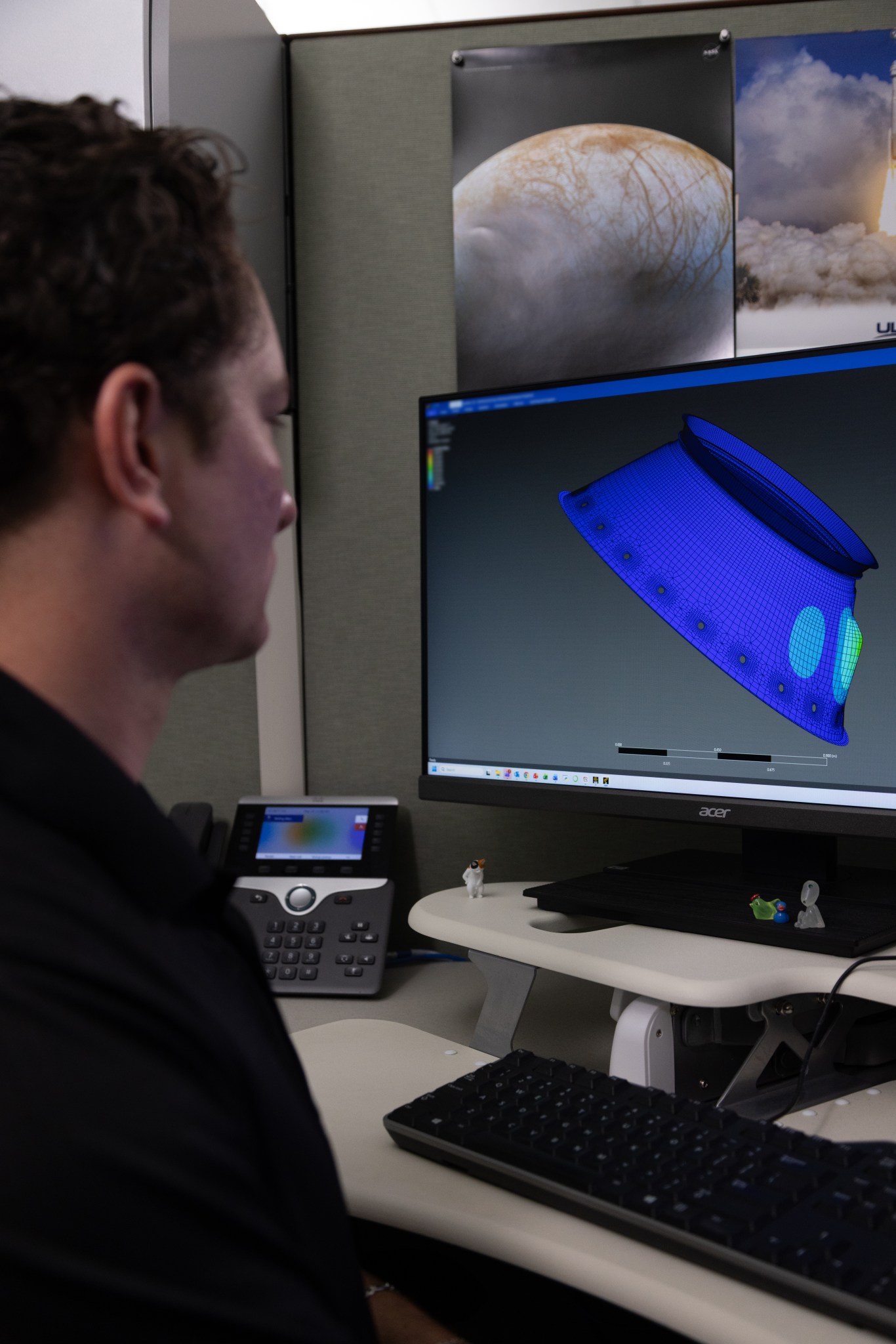
NASA's Dynamic Environments Group at the Kennedy Space Center in Florida has enhanced their shock and vibration analysis process by incorporating commercial digital software into their workflow. The software enables finite element modeling to predict how rockets and spacecraft will behave under extreme conditions before construction begins, identifying potential weak spots and failure risks earlier in the process.
This early identification allows for addressing issues before the rocket launches, strengthening mission safety.
Typically, engineers used rules of thumb or scaled previous data to estimate shock and vibration environments, but these methods relied on engineering judgment and approximations from past missions. The new software streamlines the process by providing a standardized modeling workflow, reducing the need for engineers to re-learn complex workflows, and offering a consistent template to guide them through vibration profiles and shock conditions.
Using the software for the first time, the Dynamic Environments Group recently certified a commercial launch provider’s rocket selected for a NASA mission, determining that shock testing was necessary and conducting what-if comparisons to visualize structural behavior. The analysis provided new insights into shock during transport, demonstrating the software's value in learning, efficiency, and aligning with NASA's people-focused culture. By adopting this tool, NASA aims to increase the chances of mission success for each rocket launch.
Written by urgent.news from NASA Science's reporting — not their text. Machine-written — may contain errors; check the original before relying on it.