Finance and Indigenous rights top Africans’ agenda as biodiversity summit opens in Yerevan
As the U.N. Convention on Biological Diversity’s 17th summit opens in Yerevan, Armenia, on Oct. 19, what’s at stake for Africa? In 2022, parties signed the Kunming-Montreal Biodiversity Framework, agreeing to maintain, restore, and substantially increase the area of natural ecosystems and end human-induced extinction of threatened species; to sustainable use of biodiversity; to fair […]
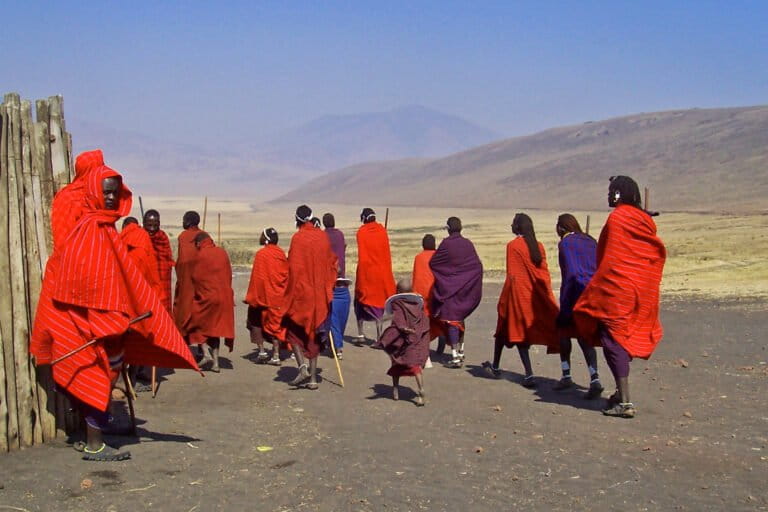
The U.N. Convention on Biological Diversity's 17th summit commenced in Yerevan, Armenia, on October 19. For Africa, the pressing concerns include finance and indigenous rights. In 2022, parties signed the Kunming-Montreal Biodiversity Framework, agreeing on various objectives. Among these are the maintenance, restoration, and expansion of natural ecosystems; the sustainable use of biodiversity; the fair and equitable sharing of benefits derived from genetic resources; and the establishment of adequate means to implement the framework, including finance, scientific cooperation, and capacity building for all parties.
The summit, running through October 30, marks the halfway point to deadlines for a first set of 23 action-oriented global targets. However, the progress report is not promising: fewer than half of countries claim they are on track to meet their self-designed biodiversity targets. U.N. Secretary-General António Guterres noted in a press release that "the report shows that many of the critical elements of progress, including finance, capacity, cooperation and data — are still missing in action."
Africa is home to three of the world's "megadiverse" countries: the Democratic Republic of the Congo, Madagascar, and South Africa. None of these three have met the initial 2024 deadline for a national biodiversity strategy, with South Africa still lacking an action plan. The primary goal is to see 30% of terrestrial, inland, and freshwater ecosystems designated as protected areas by 2030.
Written by urgent.news from Mongabay's reporting — not their text. Machine-written — may contain errors; check the original before relying on it.