FDA Crackdown On Loose Spices Sparks Concerns Over Livelihoods Of Women's Self-Help Groups, Small Retailers
Mumbai: Maharashtra FDA’s crackdown on loose spices could put small retailers and women’s self-help groups in a bind, even as wholesale traders at APMC Vashi expect little disruption to their business. While traders say packaged spices dominate wholesale sales, loose spices account for an estimated 10% to 15% of retail sales in the Mumbai Metropolitan Region (MMR), where the annual spice trade is…
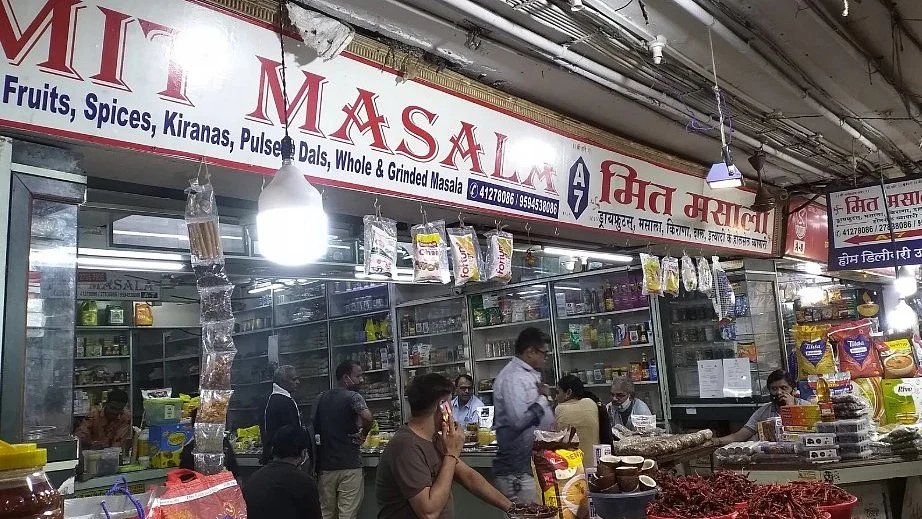
Mumbai's Maharashtra FDA has launched an investigation into loose spices, which may impact the livelihoods of women's self-help groups and small retailers. While wholesale traders at APMC Vashi anticipate minimal disruption, the retail sector may face some challenges as a portion of consumers still prefer purchasing loose spices.
Bhimji Bhanushali, president of the Grain, Rice and Oilseeds Merchants Association (GROMA), believes the decision might be reversed, drawing a comparison to a previous decision regarding loose oil. The FDA aims to enhance food safety and enforce prescribed standards, but traders argue that the implementation should also take into account the practical difficulties faced by small-scale producers and traditional retail businesses.
Small producers and self-help groups, which are involved in producing and selling loose spices, could incur extra expenses if the order is enforced strictly, particularly as women's self-help groups often operate with limited resources.
Rewritten by urgent.news; may contain errors — check the original.
Source: freepressjournal.in