AFTER THE BELL: The battle for your pharmacy basket is waged by the loyalty cards
Clicks and Dis-Chem look evenly matched as they compete for pharmacy customers, impulse purchases and loyalty, while technology and share price moves reveal the stakes.
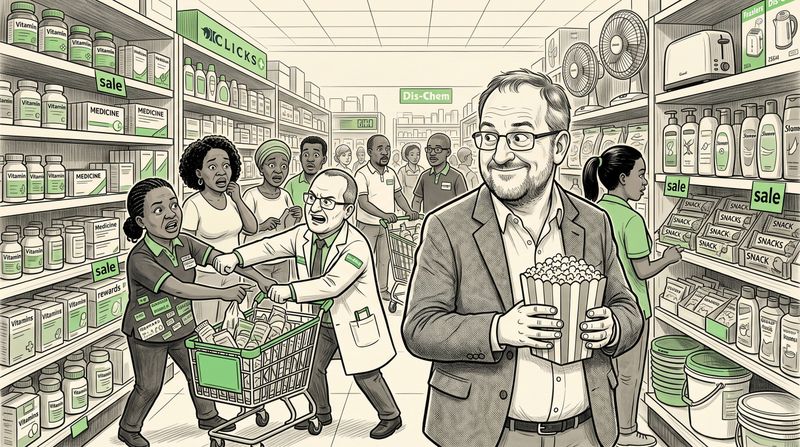
Two major retailers, Dis-Chem and Clicks, are locked in a fierce battle for pharmacy customers and loyalty. Both companies have similar business models, offering a wide range of products in their pharmacies, making it convenient for shoppers to purchase everyday items and medications in one stop. The competition between the two retailers is fueled by the need to attract more customers and encourage loyalty through rewards systems and other incentives.
Both Dis-Chem and Clicks have invested heavily in improving their stores' functionality and customer experience. Dis-Chem recently spent a significant amount of money on a project called X, Bigley Labs, which focuses on enhancing the science of retail. This investment has had an impact on the company's financial results. Clicks, on the other hand, has a team of highly skilled employees working tirelessly to achieve the same goal.
While Dis-Chem is currently seen as the stronger competitor, with a recent boost in its share price, the battle is far from over. Both companies have committed significant resources to outdo each other in the constantly evolving retail landscape. With the rise of AI and the growing demand for physical goods, the competition between Dis-Chem and Clicks is likely to continue, providing consumers with exciting developments in the retail sector.
Rewritten by urgent.news; may contain errors — check the original.
Source: dailymaverick.co.za